
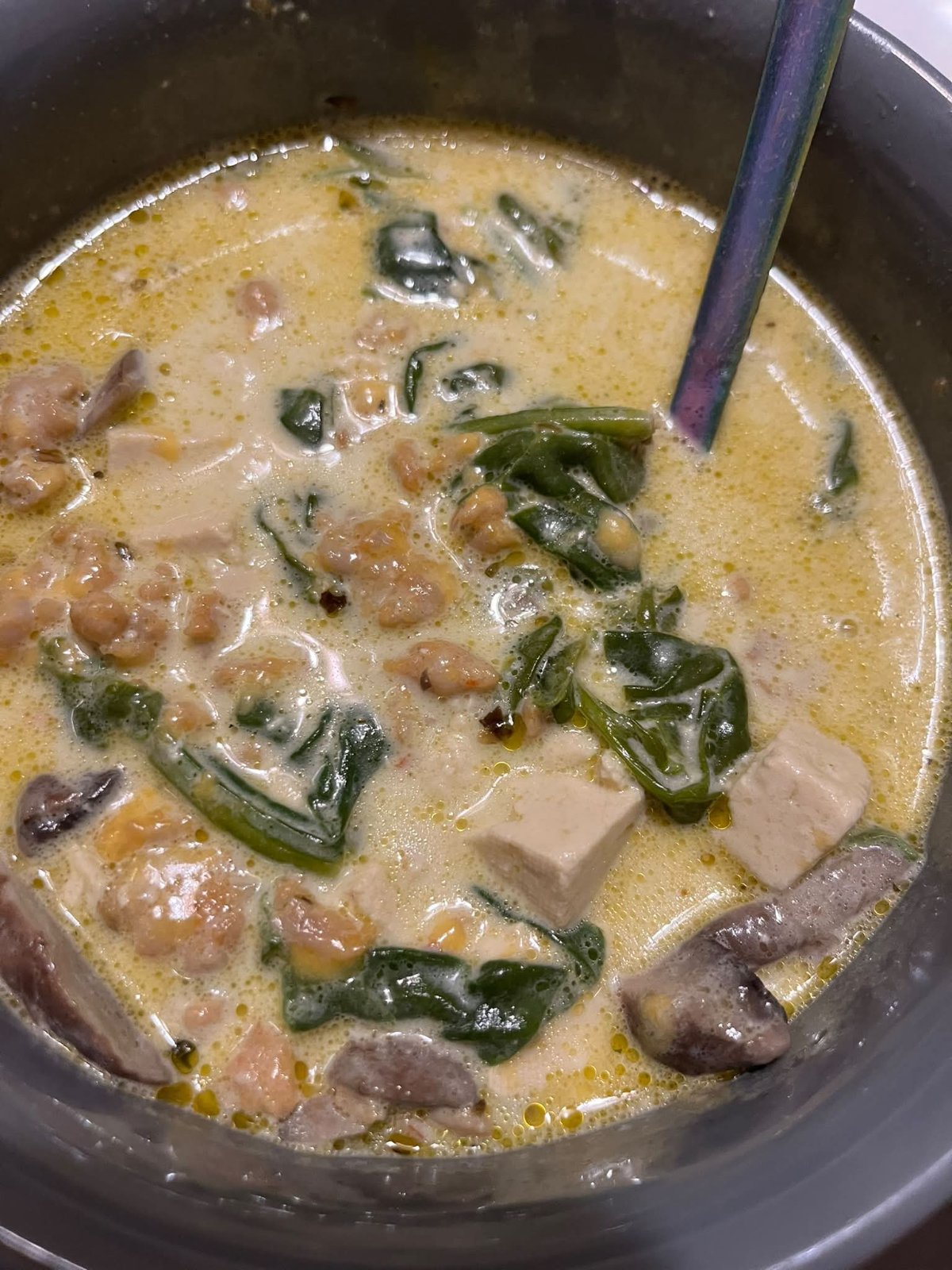
Indonesian Sop Iga Sapi with Nasi Putih and Empal Goreng is a comforting and flavorful traditional dish featuring tender beef ribs in a fragrant broth served alongside steamed white rice and savory fried beef. This hearty combination is perfect for those who enjoy rich, aromatic soups paired with crispy textured meat and simple rice as a filling meal.
Ideal for family dinners or special occasions, this recipe takes about 2 hours and 40 minutes to prepare and serves 4 people. It blends slow-cooked beef ribs with fresh vegetables and a spicy-sweet fried beef side, creating a balanced and satisfying Indonesian culinary experience.
Why you’ll love this Indonesian Sop Iga Sapi with Nasi Putih and Empal Goreng
- This recipe features tender, slow-simmered beef ribs that melt in your mouth with every bite.
- The rich and aromatic broth combines garlic, ginger, and spices for a comforting flavor profile.
- Empal Goreng adds a delightful contrast with its sweet, savory, and crispy fried beef pieces.
- Nasi Putih (steamed white rice) perfectly complements the soup and fried beef, absorbing all the delicious flavors.
- The dish is versatile enough for casual family meals or impressive enough for festive gatherings.
Ingredients
- 1 kg beef ribs, cut into sections
- 2.5 liters water
- 1 large carrot, sliced thick
- 2 medium potatoes, chunked
- 4 cloves garlic, lightly crushed
- 1 small onion or 4 shallots
- 2 cm ginger, bruised
- 1 stalk celery or 2 tbsp chopped celery leaves
- 2 scallions, sliced
- 1 tbsp salt, or to taste
- 1 tsp white pepper
- 1/2 tsp nutmeg
- 1 tbsp fried shallots, plus more for garnish
- 2 limes, cut into wedges
- 4 cups cooked white rice
- 500 g beef for empal (brisket or flank)
- 3 cloves garlic for empal
- 4 shallots for empal
- 2 tbsp coriander seeds
- 2 tbsp palm sugar
- 3 tbsp sweet soy sauce
- 1 tsp tamarind water
- 1 tsp salt for empal
- oil for frying
This recipe relies on fresh, quality beef ribs and brisket or flank cuts for empal goreng to ensure tenderness and flavor. Choose firm vegetables like carrots and potatoes to hold their shape during cooking. For the best results, use fresh herbs like celery and scallions, and authentic Indonesian ingredients such as sweet soy sauce (kecap manis) and tamarind water to capture the true essence of the dish.
Instructions
- Prepare the beef ribs: Rinse the beef ribs thoroughly and place them in a large pot with 2.5 liters of water. Bring to a boil over high heat, then skim off any foam that rises to the surface.
- Add aromatics and simmer: Add the lightly crushed garlic cloves, the small onion or shallots, and bruised ginger to the pot. Reduce the heat to a gentle simmer and cook the ribs for 1.5 to 2 hours until the meat is tender and the broth is clear and flavorful.
- Add vegetables: Add the thickly sliced carrot and chunked potatoes to the simmering broth. Continue cooking for 15 to 20 minutes until the vegetables are just tender but not falling apart.
- Season the soup: Stir in salt, white pepper, nutmeg, and chopped celery or celery leaves. Add the sliced scallions at the very end and keep the soup hot until serving.
- Prepare empal goreng beef: Simmer the 500 g of beef brisket or flank in water until just tender. Remove from the pot and slice or tear into bite-sized pieces.
- Make empal seasoning paste: Grind or pound the garlic, shallots, and coriander seeds into a coarse paste. Mix in palm sugar, sweet soy sauce, tamarind water, and salt until combined.
- Marinate and fry the beef: Coat the cooked beef pieces with the seasoning mixture and let them absorb the flavors for 15 to 30 minutes. Then fry the beef in hot oil until the edges are dark brown and slightly crispy.
- Serve the dish: Ladle the soup with beef ribs and vegetables into bowls. Serve alongside molded white rice and the fried empal goreng beef on a separate plate. Garnish with fried shallots and lime wedges for squeezing over the soup or beef.
Tips for the best results
- Skim the foam thoroughly during boiling to keep the broth clear and clean-tasting.
- Simmer the beef gently to avoid toughening the meat and to develop deep flavors.
- Cut vegetables into thick pieces so they hold their shape during cooking.
- Let the empal goreng beef marinate long enough to fully absorb the seasoning for maximum flavor.
- Use fresh lime wedges to add a bright, tangy contrast when serving.
- Fry the empal beef on medium-high heat to achieve a crispy exterior without burning.
Variations and substitutions
- Use other cuts of beef ribs or shank if ribs are not available, adjusting cooking time accordingly.
- Substitute potatoes with sweet potatoes or taro for a different texture and flavor.
- Replace palm sugar with brown sugar if unavailable, noting the slight difference in taste.
- For a spicier version, add sliced red chili or chili paste to the soup or empal seasoning.
- Serve with coconut rice instead of plain white rice for a richer accompaniment.
Serving suggestions
Serve Indonesian Sop Iga Sapi hot in deep bowls with generous portions of beef ribs and vegetables in the fragrant broth. Plate the empal goreng beef separately so guests can enjoy the contrast between the tender soup meat and the crispy fried beef. Present the nasi putih (steamed white rice) molded or in bowls to soak up the broth and fried beef flavors. Garnish with additional fried shallots and fresh lime wedges to brighten each bite. This dish pairs well with simple steamed greens or a fresh cucumber salad to balance the richness.
Storage and reheating
Store leftover soup and empal goreng beef separately in airtight containers in the refrigerator for up to 3 days. Reheat the soup gently on the stove over medium heat until hot, stirring occasionally. Reheat empal goreng in a skillet over medium heat to restore crispiness or briefly in a hot oven. Avoid microwaving fried beef to keep its texture. Rice can be reheated in the microwave or steamed before serving.
Frequently asked questions
What cut of beef is best for Sop Iga Sapi?
Beef ribs are ideal for Sop Iga Sapi because they become tender and flavorful when slow-cooked. If ribs are unavailable, shank or short ribs can be used as substitutes, but adjust cooking times to ensure tenderness.
Can I make this recipe ahead of time?
Yes, the soup and empal goreng can be prepared a day ahead. The flavors often deepen after resting overnight. Store components separately and reheat just before serving for the best taste and texture.
How spicy is this dish?
Traditional Sop Iga Sapi with Nasi Putih and Empal Goreng is mildly spiced, focusing on aromatic herbs and sweet-savory flavors. You can add chili or sambal on the side if you prefer more heat.
What can I use if I don’t have tamarind water?
If tamarind water is not available, substitute with a mixture of equal parts lime juice and a small amount of brown sugar to mimic the sour and sweet balance tamarind provides.
Is empal goreng always fried until crispy?
Yes, empal goreng is traditionally fried until the edges become dark brown and slightly crispy, providing a delicious contrast to the tender beef inside and the soft soup components.
Final thoughts
Indonesian Sop Iga Sapi with Nasi Putih and Empal Goreng is a soulful dish that brings together tender beef, fragrant broth, and crispy fried meat in perfect harmony. Its layers of flavor and texture make it a rewarding recipe to prepare and enjoy with family or friends. Give this recipe a try to experience a true taste of Indonesian comfort food that warms the heart and satisfies the appetite.