
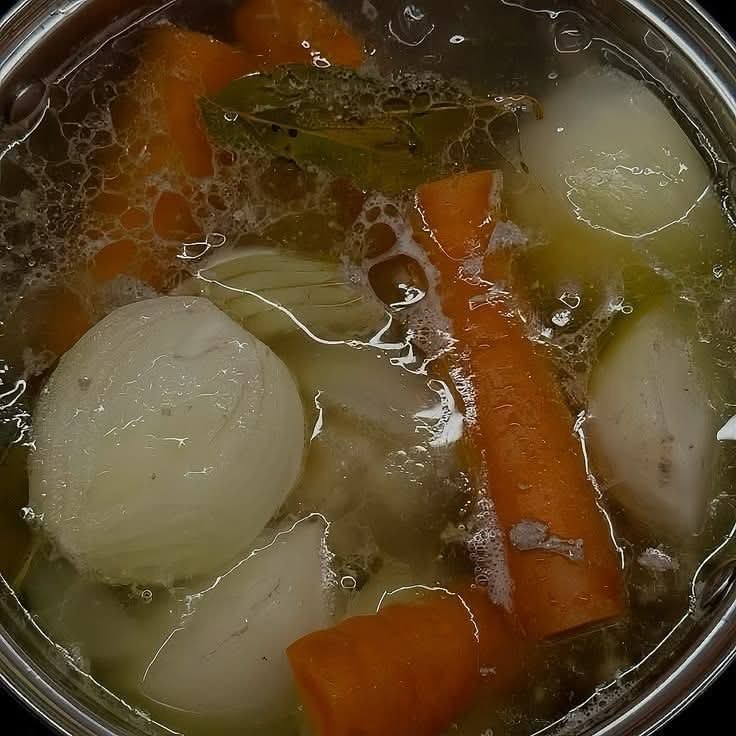
Vegetable stock is a fundamental kitchen staple that adds rich flavor and depth to countless dishes. This vegetable stock recipe is simple, wholesome, and perfect for home cooks looking to create a fresh broth from scratch. Whether you are preparing soups, sauces, risottos, or grain dishes, homemade vegetable stock elevates your meals with natural aromas and nutrients that store-bought versions often lack.
Designed to be easy and flexible, this recipe yields about 2.5 quarts of flavorful stock with minimal prep time and just one hour of simmering. It’s ideal for vegetarians, vegans, or anyone wanting a clean, versatile broth without additives or preservatives. This method extracts maximum flavor while keeping the broth clear and bright. Let’s dive into how you can make your own batch of vegetable stock that’s fresh, vibrant, and ready to enhance your cooking.
Why you’ll love this Vegetable Stock
- It uses simple, fresh ingredients that are easy to find and budget-friendly, making it accessible for every home cook.
- The slow simmering process extracts maximum flavor without cloudiness, resulting in a clear, aromatic broth.
- It’s a versatile base suitable for soups, stews, sauces, grains, and even sipping as a nourishing broth.
- This stock is naturally vegetarian and vegan, free from animal products and additives, perfect for plant-based diets.
- Making your own stock reduces waste by using vegetable scraps and leftovers, supporting sustainable cooking practices.
Ingredients
- 3 quarts (2.8 liters) water
- 3 medium onions, peeled and halved
- 3 large carrots, cut into 2-inch pieces
- 3 celery stalks, cut into 2-inch pieces
- 1 leek, cleaned and cut into large pieces (optional)
- 2 bay leaves
- 6 parsley stems
- 1 teaspoon black peppercorns
- 2 garlic cloves, crushed (optional)
- 1 teaspoon kosher salt (optional, or leave unsalted for general stock use)
Prep time: 15 minutes | Cook time: 1 hour | Yield: About 2.5 quarts
The key ingredients in vegetable stock are fresh vegetables like onions, carrots, and celery, which provide a natural sweetness and depth. Bay leaves and parsley add subtle herbal notes, while peppercorns contribute gentle spice complexity. Choosing firm, fresh vegetables without blemishes ensures a clean, bright broth free from off-flavors. Using large pieces prevents over-extraction of bitterness and helps keep the stock clear and light in color. Optional additions like leek and garlic deepen the aroma without overpowering the base flavor.
Instructions
- Prepare the vegetables: Wash all vegetables thoroughly to remove dirt and grit. Peel the onions and cut them in half to expose more surface area for flavor extraction. Chop carrots and celery into 2-inch pieces to maintain their integrity during simmering. If using leek, clean it well to remove any grit hidden between layers and cut into large chunks to avoid clouding the stock.
- Combine ingredients: Place onions, carrots, celery, leek (if using), bay leaves, parsley stems, peppercorns, and crushed garlic into a large stockpot. This combination balances sweetness, herbal notes, and mild spice for a well-rounded broth.
- Add water and heat: Pour in 3 quarts (2.8 liters) of cold water. Starting with cold water allows the flavors to infuse gradually as the liquid heats. Bring the mixture to a gentle simmer over medium heat, avoiding a rapid boil.
- Simmer gently: Reduce heat to low and let the stock simmer uncovered for 45 to 60 minutes. This slow simmer extracts flavors without breaking down the vegetables too much. Occasionally skim off any foam or impurities that rise to the surface to maintain clarity and brightness.
- Avoid boiling: Keep the heat low to prevent boiling hard, which can make the stock cloudy and bitter by emulsifying fats and breaking down vegetable fibers excessively.
- Check flavor: Taste the broth; when it is lightly sweet and aromatic, remove the pot from heat. The broth should be delicate yet flavorful, making it a perfect base for your dishes.
- Strain the stock: Pour the stock through a fine sieve or cheesecloth into another container to remove solids. Press lightly on the vegetables to extract more liquid and flavor, then discard the solids as they will be depleted of taste.
- Store or use: Use the stock immediately in your recipes, or cool it quickly by placing the container in an ice bath to prevent bacterial growth. Refrigerate for up to 4 days or freeze in portions for longer storage.
Tips for the best results
- Use cold water to start: Beginning with cold water allows the flavors to extract slowly and evenly as the temperature rises, resulting in a more balanced stock.
- Keep vegetable pieces large: Large chunks reduce the release of bitter compounds and prevent cloudiness, maintaining a clear and clean broth.
- Do not boil vigorously: A gentle simmer avoids breaking down vegetables too aggressively, which can cause cloudiness and off-flavors in the stock.
- Skim foam regularly: Removing foam and scum as it forms keeps the stock bright and free from impurities that can dull flavor and appearance.
- Adjust salt at the end: Leaving the stock unsalted or lightly salted allows you to control seasoning precisely in your final dishes without over-salting the base.
- Cool stock quickly before refrigerating: Rapid cooling prevents bacterial growth and helps preserve freshness and quality for several days.
Variations and substitutions
- Replace parsley stems with thyme or dill for a different herbal note that complements various cuisines.
- Add mushroom stems to introduce an earthy umami boost, deepening the stock’s flavor profile.
- Include tomato scraps or roasted vegetables for a richer, slightly sweet and smoky flavor.
- Use vegetable peelings and ends to reduce waste while adding subtle complexity and color to the broth.
- Omit garlic and leek for a milder, more neutral stock base that works well in delicate dishes.
Serving suggestions
Vegetable stock serves as a flavorful foundation for countless dishes. Use it as a base for soups, stews, and risottos to add natural sweetness and depth without overpowering other ingredients. It’s excellent for cooking grains like rice, quinoa, or barley, infusing them with subtle flavor that elevates the entire meal. For a lighter option, sip the strained stock warm as a comforting broth, perfect for chilly days or when you want a nourishing drink. Additionally, incorporate it into sauces, gravies, or braises to enhance taste and moisture without added fats or artificial flavor enhancers.
Storage and reheating
Store vegetable stock in airtight containers in the refrigerator for up to 4 days to maintain freshness and prevent contamination. For longer storage, freeze it in portions using ice cube trays or freezer-safe containers, allowing easy thawing of small amounts as needed. When reheating, warm gently on the stove or in the microwave until steaming but not boiling; overheating can diminish delicate flavors. Always cool stock promptly after cooking before refrigerating to ensure safety, freshness, and optimal taste retention.
Frequently asked questions
Can I use vegetable scraps to make stock?
Yes, vegetable scraps such as onion skins, carrot ends, celery leaves, and mushroom stems can be used to make stock. Ensure that scraps are clean and free from mold or rot to avoid off-flavors. Using scraps is an excellent way to reduce food waste and add depth of flavor, but avoid overly bitter or strong-flavored scraps like broccoli stems or cruciferous vegetable leaves which may alter the taste negatively.
Is it necessary to add salt to vegetable stock?
Adding salt is optional and depends on your intended use. Leaving stock unsalted provides a neutral base that you can season precisely when preparing your dishes, preventing over-salting. If you prefer, a small amount of salt can be added during cooking to enhance the vegetable flavors, but it’s generally best to salt recipes individually for better control.
How long can I keep homemade vegetable stock?
Refrigerated homemade vegetable stock stays fresh for up to 4 days when stored in airtight containers and cooled promptly. For longer storage, freezing is recommended and can preserve the stock for several months. Always ensure the stock is cooled quickly after cooking and kept at safe temperatures to maintain quality and prevent spoilage.
Can I reuse the vegetables after making stock?
Once vegetables have been simmered for stock, most of their flavor and nutrients are extracted, leaving them bland and unappetizing. It’s best to discard or compost them rather than reuse in cooking, as they will not contribute much taste or texture to other dishes.
Why should I avoid boiling vegetable stock hard?
Boiling stock vigorously can cause it to become cloudy and develop bitter flavors. The agitation breaks down vegetable fibers and emulsifies fats, which cloud the broth and alter the delicate flavor balance. A gentle simmer extracts flavors slowly and keeps the broth clear, bright, and balanced.
Final thoughts
Making your own vegetable stock is a rewarding and simple way to enhance your cooking with fresh, natural flavors. With just a handful of fresh ingredients and a bit of time, you create a flavorful base that elevates countless dishes from soups to grains. This vegetable stock recipe is versatile, economical, and customizable to your taste preferences. Once you make it from scratch, you’ll appreciate the depth and clarity it brings to your meals and wonder how you ever cooked without it.