
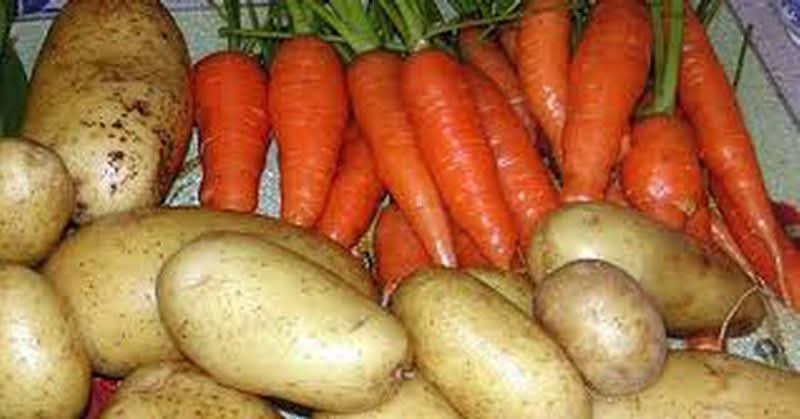
Raw Potatoes and Carrots offer a fresh, natural way to enjoy these staple vegetables without the need for cooking. This simple raw vegetable assortment is perfect for those who appreciate whole, unprocessed produce or want a quick prep method that preserves the integrity of the vegetables. Whether you intend to store them for later use or serve them as part of a crisp, rustic display, this recipe suits busy home cooks and vegetable enthusiasts alike.
With just 10 minutes of preparation and zero cooking time required, this approach preserves the natural textures and flavors of potatoes and carrots. It’s an effortless method that keeps your ingredients ready for a range of meals, from boiling and roasting to stewing or even enjoying raw as crunchy snacks. This recipe is ideal for anyone seeking convenience without sacrificing freshness or versatility.
Why you’ll love this Raw Potatoes and Carrots recipe
- It’s incredibly quick and easy, requiring only 10 minutes of prep with zero cooking time, perfect for busy schedules.
- Preserves the natural freshness and satisfying crunch of your vegetables, ideal for raw consumption or storage.
- Offers versatile use: serve raw as a snack or prepare further by boiling, roasting, or stewing to suit your meal preferences.
- Suitable for all skill levels, from beginner cooks to experienced chefs seeking simple and effective prep techniques.
- Encourages healthy eating by focusing on whole, unprocessed vegetables with minimal handling and no additives.
Ingredients
- 8 medium potatoes, scrubbed
- 10 carrots with tops, trimmed and washed
Prep Time: 10 minutes
Cook Time: 0 minutes
Servings: 4-6 as ingredients
The key ingredients in this recipe are fresh, firm potatoes and crisp carrots, which form the foundation of many meals. When selecting potatoes, opt for ones with smooth, unblemished skin free from sprouts or green spots to ensure optimal freshness and flavor. Avoid any that feel soft or show signs of shriveling. For the carrots, look for vibrant orange color and firm texture—these qualities indicate peak freshness and sweetness. The green tops are optional to trim but can be saved for use in pestos, salads, or stocks, minimizing waste. Choosing high-quality produce ensures the best taste and texture whether you consume them raw or cook them later.
Instructions
- Rinse the potatoes well: Hold each potato under cold running water and scrub off any dirt using a vegetable brush or your hands. This cleans the skin thoroughly while preserving nutrients located just beneath the surface.
- Wash the carrots thoroughly: Rinse carrots under cold water, removing all soil and grit. Trim the green tops if preferred, or leave them attached for decoration or to use in other recipes like stocks or pesto.
- Leave whole for storage or display: Keep the potatoes and carrots whole if you plan to store them or present them as a rustic vegetable assortment, which helps maintain freshness longer.
- Serve or use in other recipes: Enjoy the raw vegetables as a crunchy snack or incorporate them into cooking methods such as boiling, roasting, or stewing according to your preference to unlock different flavors and textures.
Tips for the best results
- Use a vegetable brush to thoroughly clean potatoes without damaging their skin; this removes dirt while keeping the nutrient-rich skin intact.
- Choose firm, unblemished carrots to maintain crispness when eaten raw, ensuring a pleasant texture and sweet flavor.
- Store whole potatoes and carrots in a cool, dark place with good ventilation to extend freshness and prevent sprouting or spoilage.
- Trim carrot tops just before use to prevent wilting and maintain a fresh appearance if serving raw or in salads.
- If serving raw, consider slicing carrots into sticks or rounds for easier snacking and a more attractive presentation.
- Avoid peeling potatoes if you want to benefit from the nutrients close to the skin; peeling removes fiber and valuable vitamins.
Variations and substitutions
- Swap regular potatoes for sweet potatoes to introduce a sweeter flavor and vibrant orange color, adding nutritional variety.
- Add parsnips or radishes to the raw vegetable assortment for additional crunch and flavor contrast in your display or recipes.
- Use baby carrots instead of large ones for a more tender texture when eaten raw, which can be more appealing to children or picky eaters.
- Include fresh herbs like parsley or dill alongside the vegetables for a fresh garnish and aromatic boost that complements the natural flavors.
- Substitute the green tops of carrots in salads or pesto to add a peppery note and reduce food waste by using all parts of the vegetable.
Serving suggestions
Raw potatoes and carrots make an excellent rustic vegetable platter when paired with flavorful dips such as hummus, ranch dressing, or yogurt-based sauces. For a quick, healthy snack, slice carrots into sticks and enjoy them alongside crunchy potato chips or baked potato wedges for texture contrast. These vegetables also add a fresh, crisp element when chopped into salads or included in vegetable trays for gatherings and parties. When cooking, the prepared vegetables serve as a versatile base for hearty soups, stews, or roasted vegetable medleys, allowing you to customize flavors with herbs and spices.
Storage and reheating
Store whole raw potatoes and carrots in a cool, dark, and well-ventilated area to maintain their freshness for up to two weeks or longer depending on conditions. Avoid refrigerating potatoes, as cold temperatures can alter their texture and cause greening or sprouting. Carrots can be kept in the refrigerator wrapped in a damp towel or plastic bag to maintain moisture and crispness for up to three weeks. Since this recipe involves raw vegetables, reheating is not applicable; however, cooked versions of these vegetables should be heated thoroughly before serving to ensure safety and optimal taste.
Frequently asked questions
Can you eat potatoes raw?
Potatoes can be eaten raw, but they have a starchy taste and a firmer, denser texture that some people find less appealing compared to cooked potatoes. Raw potatoes contain small amounts of solanine, a natural compound that can be toxic in large quantities, but cooking reduces this significantly. Eating small amounts of raw potato is generally safe, though cooking is preferred to improve digestibility, flavor, and safety.
Are raw carrots nutritious?
Yes, raw carrots are highly nutritious and an excellent source of vitamins like A and C, dietary fiber, and antioxidants. Eating carrots raw preserves these nutrients, which can be diminished during cooking. Their natural sweetness and satisfying crunch make them a great addition to any diet, supporting eye health and digestion.
How long do raw potatoes and carrots last?
Whole raw potatoes stored properly in a cool, dark place can last from one to two weeks or longer depending on storage conditions. Carrots kept in the refrigerator, wrapped in a damp cloth or plastic bag, can remain fresh for up to three weeks. Proper storage is essential to prevent spoilage, sprouting, or wilting and to maintain quality.
Is it safe to eat carrot tops?
Carrot tops are edible and contain nutrients such as vitamins and antioxidants; however, they have a bitter flavor and are usually used in small amounts in recipes like pesto, salads, or soups. Always wash carrot tops thoroughly before use and avoid consuming if they appear wilted or unhealthy. Their unique flavor can add depth to dishes when used appropriately.
What is the best way to clean potatoes and carrots?
The best way to clean potatoes is to rinse them under cold running water while scrubbing gently with a vegetable brush to remove dirt without damaging the skin. For carrots, rinse well under running water and rub with your hands or a brush to remove soil and grit. Trimming tops and peeling are optional and depend on your intended use and preference for texture and nutrition.
Final thoughts
Raw Potatoes and Carrots are a simple, wholesome way to enjoy fresh vegetables with minimal effort and maximum versatility. This easy recipe highlights their natural flavors and textures, making it perfect for quick preparation, storage, or further cooking. Whether you are looking for a healthy snack or ingredients ready for your next meal, give this straightforward vegetable assortment a try and experience the convenience and satisfaction that fresh produce brings to your kitchen.