
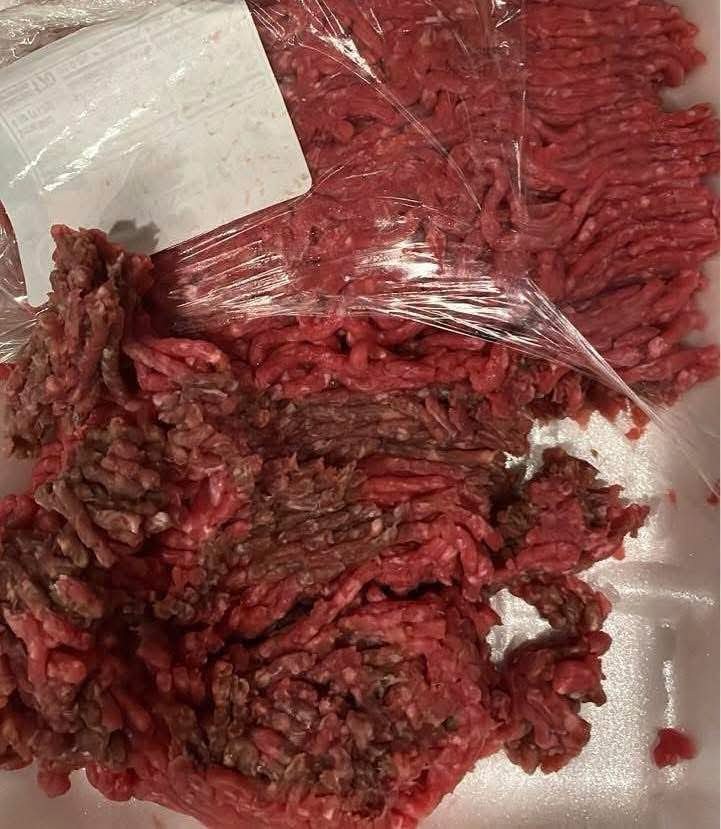
Raw ground beef is a versatile and essential ingredient in countless dishes worldwide. Whether you’re preparing tacos, pasta sauce, casseroles, or burgers, starting with quality raw ground beef is the foundation to creating flavorful and satisfying meals. This recipe will guide you through the straightforward preparation and cooking methods that ensure your ground beef turns out perfectly every time.
Ideal for home cooks seeking a simple yet effective approach, this method uses minimal ingredients and a quick cooking time, allowing you to have a delicious base ready in under 10 minutes. Whether you’re a beginner or an experienced cook, mastering this basic technique opens up a world of culinary possibilities.
Why you’ll love this Raw Ground Beef recipe
- It uses simple, easy-to-find ingredients, making it accessible for any kitchen pantry.
- The quick cook time fits seamlessly into busy weeknight dinners or meal prepping routines.
- Cooking the beef in one layer creates a superior sear, which enhances both flavor and texture.
- Seasoning with just salt and pepper allows the natural, rich beef flavor to take center stage.
- Its versatility makes it a perfect base for a wide variety of dishes, from Mexican to Italian cuisines.
Ingredients
- 1 lb (450 g) ground beef
- 1 tsp kosher salt
- 1/2 tsp black pepper
- 1 tbsp neutral oil or butter (optional)
These ingredients highlight the natural richness of ground beef without complicating the flavor profile. When selecting your ground beef, opt for fresh, high-quality meat with a fat content that suits your cooking style—generally, an 80/20 ratio (80% lean meat to 20% fat) offers the best balance of flavor, moisture, and juiciness. Using kosher salt and freshly ground black pepper enhances the beef’s natural taste without overpowering it. The optional neutral oil or butter helps prevent sticking and contributes a subtle richness, especially if your ground beef is very lean, which can sometimes dry out during cooking.
Instructions
- Prepare the beef: Remove the ground beef from the packaging and pat it dry with paper towels if it appears wet. This step is crucial because excess moisture can cause the beef to steam instead of sear, preventing that desirable caramelized crust.
- Heat the skillet: Place a skillet over medium-high heat. Add the neutral oil or butter if using, especially if your beef is very lean, to prevent sticking and promote browning. A hot pan ensures the beef cooks evenly and develops great flavor.
- Sear the beef: Add the ground beef in one even layer to the hot skillet. Let it cook undisturbed for 2-3 minutes to develop a nice sear. Avoid stirring during this time to allow the meat to caramelize properly.
- Break up and cook thoroughly: Use a spatula to break the beef into smaller pieces. Continue cooking, stirring occasionally, until the beef is evenly browned and no longer pink, about 5-7 minutes total. This ensures thorough cooking and prevents large clumps.
- Season and serve: Sprinkle the kosher salt and black pepper over the cooked beef. Stir to combine, then use the beef immediately in your favorite recipes or store it as needed.
Tips for the best results
- Pat the beef dry before cooking: Removing moisture helps the beef brown instead of steam, resulting in a richer flavor and better texture.
- Cook in batches if your skillet is small: Overcrowding lowers the pan temperature, causing the beef to release water and steam rather than sear. Cooking in smaller batches ensures even browning.
- Use a heavy-bottomed skillet or cast iron: These pans retain and distribute heat evenly, which is essential for achieving a consistent sear and preventing hot spots.
- Avoid stirring during the initial sear: Letting the beef sit undisturbed for a few minutes allows the Maillard reaction to occur, creating complex flavors and a desirable crust.
- Season at the end of cooking: Adding salt too early can draw out moisture, making the beef watery. Seasoning at the end preserves juiciness and enhances taste.
- Let the beef rest briefly after cooking: Allowing the meat to rest for a minute or two helps redistribute juices, improving tenderness and flavor.
Variations and substitutions
- Use ground turkey or chicken: For a leaner alternative, substitute ground turkey or chicken. Add a bit of oil during cooking to prevent the meat from drying out due to lower fat content.
- Add spices: Enhance the beef by incorporating garlic powder, onion powder, smoked paprika, or chili powder to suit different cuisines and flavor profiles.
- Mix in vegetables: Finely diced onions, bell peppers, or mushrooms can be cooked with the beef to add texture, flavor, and boost the nutritional value.
- Swap oils: Use olive oil or avocado oil instead of neutral oil for a different flavor and added health benefits.
- Try grass-fed beef: Grass-fed ground beef offers a distinct flavor profile, often described as more robust and earthy, and can be a more sustainable and nutritious option.
Serving suggestions
Cooked ground beef is incredibly versatile and can be incorporated into an endless variety of meals. Use it as a flavorful filling for tacos topped with fresh salsa, cilantro, and creamy avocado slices. Mix it into your favorite tomato-based pasta sauce to create a hearty Bolognese that warms the soul. Layer it in casseroles with cheese, beans, and vegetables for comfort food that feeds a crowd. You can also shape it into patties for homemade burgers, seasoned to your liking. Pair any of these dishes with fresh greens, roasted vegetables, or steamed seasonal produce to create a balanced and satisfying meal. This simple cooked ground beef recipe serves as a reliable foundation for countless culinary creations.
Storage and reheating
Store any leftover cooked ground beef in an airtight container and refrigerate it promptly to maintain freshness and safety. It will keep well for up to 3 days in the fridge. For longer storage, freeze the beef in a sealed freezer-safe container or resealable bag, removing as much air as possible to prevent freezer burn; it can be kept frozen for up to 3 months. When reheating, warm the beef gently in a skillet over medium heat, stirring occasionally to ensure even heating and to prevent drying out. Avoid reheating at high temperatures or for too long, as this can cause the beef to become tough and dry. Adding a splash of water or broth during reheating can help maintain moisture.
Frequently asked questions
Is it safe to eat raw ground beef?
Raw ground beef carries a risk of foodborne illnesses caused by bacteria such as E. coli and Salmonella. Because ground beef is processed and exposed to more surface area, it is more susceptible to contamination than whole cuts of meat. It is generally recommended to cook ground beef thoroughly to an internal temperature of 160°F (71°C) to eliminate harmful bacteria. If consuming raw or undercooked beef, such as in dishes like steak tartare, ensure the meat is sourced from a highly reputable supplier and handled with strict hygiene and freshness standards.
How do I know when ground beef is fully cooked?
Ground beef is fully cooked when it is uniformly browned with no pink areas remaining. The safest and most reliable method to confirm doneness is to use a meat thermometer; the internal temperature should reach at least 160°F (71°C). Visual cues such as the absence of pink color and clear juices can also guide you, but temperature measurement is the best practice to ensure safety.
Can I use frozen ground beef for this recipe?
Yes, frozen ground beef can be used, but it should be thawed safely before cooking to ensure even cooking. The best method is to thaw it overnight in the refrigerator. Alternatively, you can use the microwave’s defrost function, but be careful not to start cooking the edges during thawing. Cooking frozen ground beef directly is possible but often results in uneven cooking and a less desirable texture.
What is the best fat content for ground beef?
An 80/20 lean-to-fat ratio is ideal for most cooking applications as it provides a good balance of flavor, moisture, and tenderness. Leaner beef options (90/10 or higher) can be used but often require adding extra fat such as oil or butter during cooking to prevent the meat from drying out. Higher fat content beef (70/30) will be juicier but can produce more grease and shrink more during cooking.
Can I add seasoning before cooking?
While it is possible to season ground beef before cooking, adding salt too early can draw out moisture from the meat, leading to steaming rather than searing and a less flavorful crust. For the best texture and taste, it is recommended to season the beef towards the end of the cooking process. Other dry spices and herbs can be added earlier if desired, but salt is best reserved for the final seasoning.
Final thoughts
Mastering the preparation of raw ground beef is a fundamental skill that unlocks countless delicious dishes across all cuisines. This simple recipe, with just a few ingredients and easy steps, allows you to quickly create a flavorful base perfect for meals any day of the week. By paying attention to key techniques like drying the meat, proper searing, and correct seasoning, you can elevate your cooking and enjoy the rich taste and versatility of perfectly cooked ground beef. Give this recipe a try and discover how easy and satisfying it is to cook ground beef at home.