
Introduction
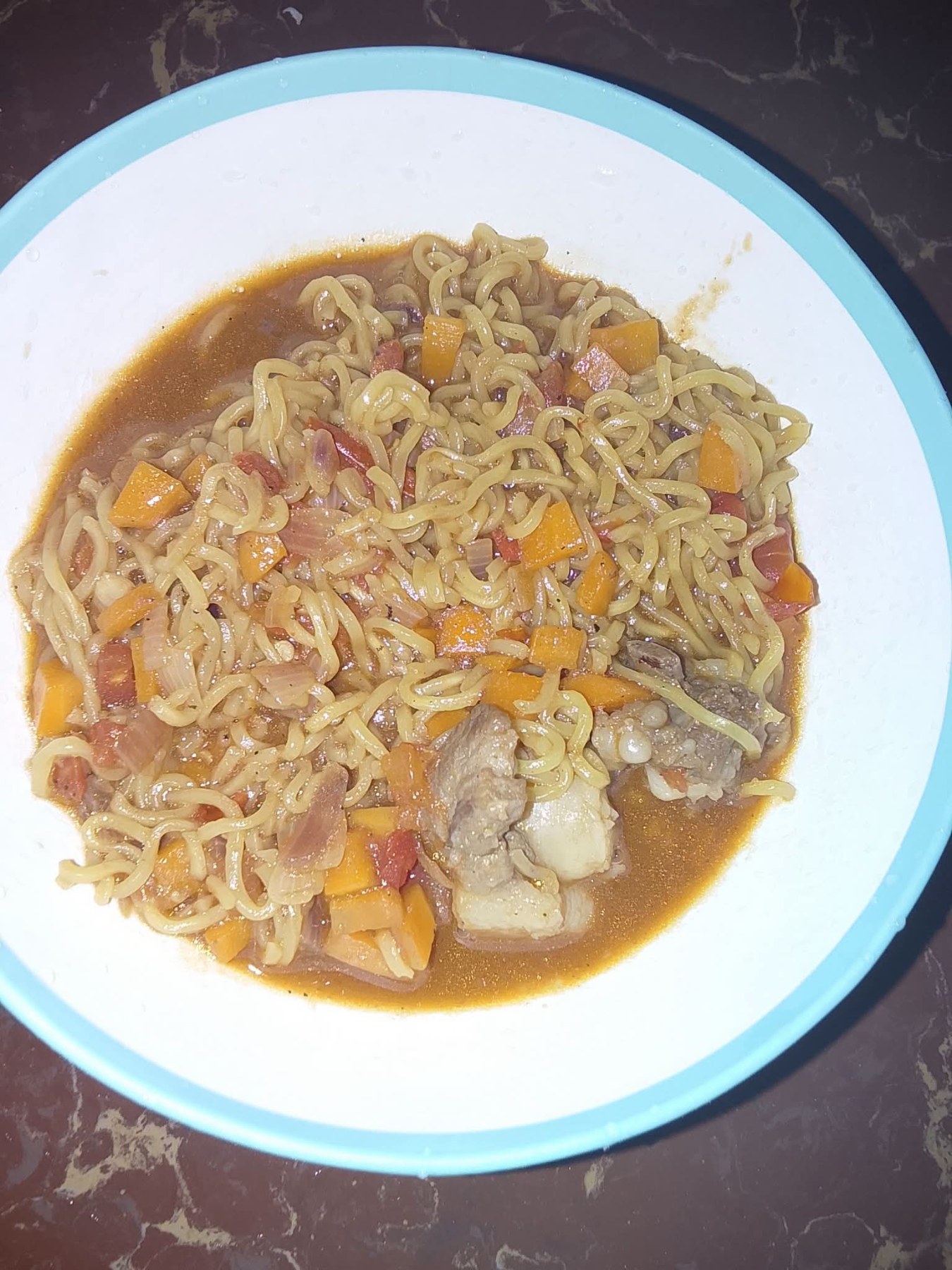
Instant Ramen Noodle Soup with Pork and Vegetables is a flavorful and comforting dish that perfectly blends the convenience of instant noodles with the richness of fresh pork and the freshness of vibrant vegetables. This recipe is ideal for anyone who wants a quick yet satisfying meal without sacrificing taste or nutrition.
Ready in approximately 25 minutes, this soup features tender pork belly or pork shoulder, crisp vegetables, and a savory, well-seasoned broth that elevates the classic ramen experience. Whether you’re a busy professional, a student, or a home cook looking for an easy but hearty meal, this recipe offers a balanced combination of protein, carbs, and veggies that will keep you nourished and satisfied.
Why you’ll love this Instant Ramen Noodle Soup with Pork and Vegetables
- Quick and easy to prepare, making it perfect for busy weeknights or unexpected meal needs.
- Combines protein, fresh vegetables, and comforting carbs all in one delicious bowl.
- The pork adds a rich, savory depth and a satisfying, tender texture to the broth.
- Highly customizable allowing you to adjust vegetables and seasoning to suit your taste preferences.
- Uses simple, everyday ingredients that are commonly found in most kitchens, making it accessible for all cooks.
Ingredients
- 2 packs instant ramen noodles
- 200 g pork belly or pork shoulder, cut in bite-size pieces
- 1 tablespoon oil
- 1 small red onion, chopped
- 1 medium carrot, diced small
- 1 small tomato or 1/2 red bell pepper, diced
- 2 cups water or light stock
- 1 to 2 ramen seasoning packets, to taste
- 1 teaspoon soy sauce
- 1/4 teaspoon black pepper
This recipe serves 2 people and requires about 10 minutes of preparation and 15 minutes of cooking, totaling roughly 25 minutes from start to finish. The key ingredients include instant ramen noodles, which cook quickly and provide a satisfying base. The pork belly or shoulder brings protein and richness, with belly offering more fat and tenderness, while shoulder is leaner but still flavorful. Fresh vegetables like carrot, red onion, and tomato or red bell pepper contribute color, natural sweetness, and nutrients. For the best results, select firm, fresh vegetables free from blemishes and choose quality pork cuts with good marbling. Using light stock instead of plain water adds an extra layer of savory depth to the broth, enhancing the overall flavor profile.
Instructions
- Heat the oil: Place a pot or deep pan over medium heat and add the oil to warm it up, ensuring it’s hot enough before adding ingredients for even cooking.
- Cook the pork: Add the bite-sized pork pieces and cook for about 4 to 6 minutes until they are lightly browned and some fat is rendered, which imparts flavor to the broth.
- Sauté the onion and carrot: Add the chopped red onion and diced carrot to the pot, cooking them for 2 to 3 minutes until they start to soften and release their natural sweetness.
- Add tomato or bell pepper: Stir in the diced tomato or red bell pepper and cook for an additional minute to help release their flavors and meld them into the broth.
- Add liquid and seasoning: Pour in 2 cups of water or light stock, then add 1 to 2 packets of ramen seasoning and 1 teaspoon of soy sauce. Bring the mixture to a gentle simmer to allow flavors to blend.
- Cook the noodles: Add the instant ramen noodles to the pot, cooking them for 2 to 3 minutes while loosening them gently with a fork or spoon to prevent clumping and ensure even cooking.
- Simmer and adjust seasoning: Continue to simmer until the noodles are tender and the broth has slightly reduced and become well-seasoned, intensifying the soup’s flavor.
- Final seasoning and serve: Taste the soup and add 1/4 teaspoon black pepper or more seasoning if needed. Serve hot in bowls with the broth surrounding the noodles for a comforting finish.
Tips for the best results
- Use pork belly for a richer, more succulent texture because its higher fat content melts into the broth, adding depth and silkiness.
- Choose pork shoulder if you prefer a leaner option; it still offers good flavor but with less fat, making the soup lighter.
- Don’t overcook the noodles; they should be tender but slightly firm (al dente) to maintain pleasant texture and avoid becoming mushy or falling apart.
- Use light stock instead of water to enhance the broth’s depth of flavor; homemade or store-bought stock adds umami and complexity that plain water cannot provide.
- Dice vegetables uniformly to ensure even cooking and a balanced texture throughout the soup, preventing some pieces from being undercooked or too soft.
- Adjust seasoning gradually, tasting as you go to avoid over-salting, especially since ramen seasoning packets can be quite salty.
- Serve immediately after cooking to enjoy the noodles at their best texture; noodles tend to absorb broth and soften over time if left standing.
Variations and substitutions
- Replace pork with chicken breast or thigh for a different protein option, offering a lighter taste and quicker cooking time.
- Use other vegetables like bok choy, spinach, or mushrooms to add variety and nutrition, enhancing the soup’s flavor and texture.
- Swap out instant ramen noodles for fresh ramen or other Asian noodles such as udon or soba for a different texture and mouthfeel.
- Add a soft-boiled egg or tofu cubes for extra protein and richness, making the dish more filling and satisfying.
- Use vegetable stock instead of meat stock for a vegetarian version, omitting the pork and focusing on plant-based flavors.
Serving suggestions
This Instant Ramen Noodle Soup with Pork and Vegetables is best served hot and fresh to enjoy the full flavors and textures. Present it in deep bowls to hold plenty of broth and noodles. Accompany the soup with pickled vegetables or kimchi on the side to introduce a bright, tangy contrast that cuts through the richness of the pork. A sprinkle of chopped green onions, fresh cilantro, or a dash of toasted sesame seeds can add freshness and an appealing aroma. For a heartier meal, serve alongside steamed jasmine rice or a crisp Asian-style salad dressed with sesame oil and rice vinegar, balancing the warm, savory soup with fresh, crunchy elements.
Storage and reheating
Store any leftover soup in an airtight container in the refrigerator for up to 2 days to maintain freshness. When reheating, warm the soup gently on the stove over medium heat to prevent overcooking the noodles, which can become too soft or mushy. Adding a splash of water or broth while reheating helps loosen the soup if it has thickened in the fridge. Avoid reheating in a microwave, as uneven heating can affect the texture and flavor of both noodles and pork. For best quality, consume leftovers promptly.
Frequently asked questions
Can I use other cuts of pork for this soup?
Yes, you can use different cuts such as pork shoulder, tenderloin, or even ground pork depending on your preference. Pork belly is ideal for its rich fat content that enhances broth flavor and texture, but leaner cuts like shoulder or tenderloin provide a lighter option. Ground pork can also work well if you crumble and cook it thoroughly, offering a different texture and quick cooking time.
Is it necessary to use the ramen seasoning packets?
The seasoning packets are convenient and provide the classic ramen flavor profile, but they aren’t mandatory. You can substitute them with homemade broth seasonings such as a combination of soy sauce, miso paste, garlic, and ginger for a fresher, more personalized taste. When using alternatives, adjust salt levels carefully to avoid over-seasoning, and consider adding a splash of sesame oil or chili for extra dimension.
Can I make this soup vegetarian or vegan?
Absolutely. To create a vegetarian or vegan version, simply omit the pork and use vegetable stock instead of meat-based stock. Incorporate plant-based proteins like tofu, tempeh, or mushrooms to add umami and substance. Replace the ramen seasoning packets with vegetable-based seasonings or miso paste that do not contain animal products. This approach maintains the comforting noodle soup experience while fitting a plant-based diet.
How can I make the broth more flavorful?
Using light stock instead of plain water is a simple way to boost broth richness. Adding soy sauce introduces umami and saltiness, while fresh aromatics like minced garlic, ginger, or green onions can deepen the flavor complexity. Allowing the pork to brown properly before adding liquid releases flavorful fats and caramelized notes. Simmering the broth gently for a few extra minutes after adding all ingredients helps meld flavors together for a more satisfying soup.
What vegetables work best in this ramen soup?
Carrots, red onion, tomato, and red bell pepper are excellent choices because they add natural sweetness, texture, and vibrant color. Leafy greens like spinach, bok choy, or napa cabbage provide freshness and a slight bitterness that balances the rich broth. Mushrooms contribute earthiness and umami, enhancing the soup’s depth. Choose vegetables that cook quickly and complement pork’s richness without overpowering the dish.
Final thoughts
If you’re looking for a quick, satisfying meal that combines the comforting taste of ramen with fresh pork and garden vegetables, this Instant Ramen Noodle Soup with Pork and Vegetables recipe is an excellent choice. It’s straightforward to prepare, versatile enough to adapt to your preferences, and delivers a warm bowl of homemade goodness in under 30 minutes. Try this recipe today and enjoy a delicious, nourishing meal that’s perfect any day of the week.