
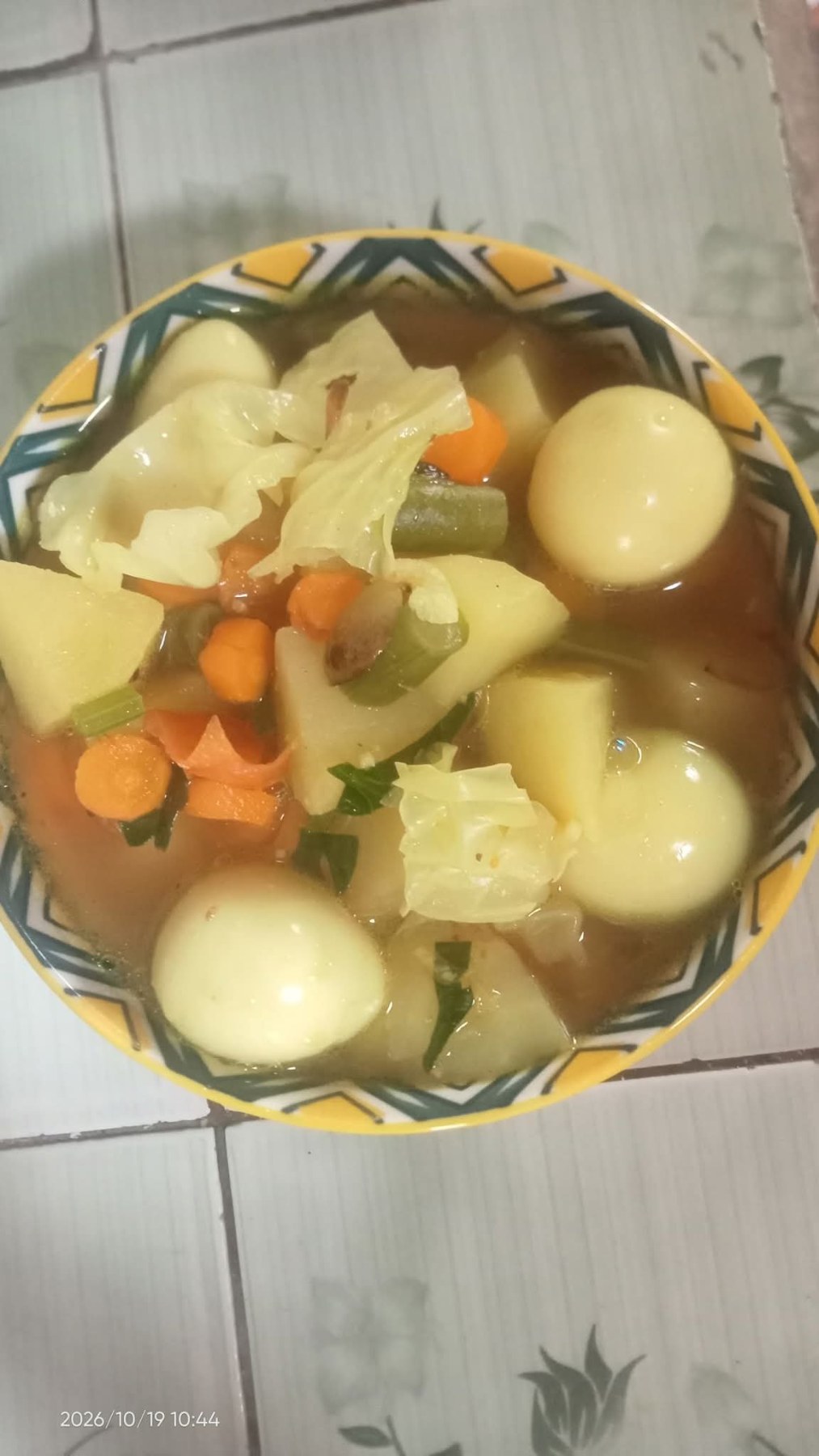
Sayur Sop Telur is a traditional Indonesian vegetable soup featuring boiled eggs and fresh, wholesome vegetables in a clear broth. This comforting and easy-to-make soup is perfect for anyone looking for a nutritious, light meal that still delivers satisfying flavors and a touch of home-style warmth.
Ideal for busy home cooks or those new to Indonesian cuisine, Sayur Sop Telur combines simple ingredients like potatoes, carrots, cabbage, green beans, and hard-boiled eggs. The gentle seasoning and clear broth make it a versatile dish to enjoy year-round, whether as a starter or a main course. With about 15 minutes of prep and 20 minutes of cooking, this recipe fits well into a busy schedule without compromising on wholesome, fresh flavors.
Why you’ll love this Sayur Sop Telur
- This soup is packed with fresh vegetables and protein-rich boiled eggs for a balanced meal that nourishes without heaviness.
- Its clear broth is light yet flavorful, making it an excellent choice for those seeking a gentle, comforting dish that soothes the palate.
- The recipe is quick and straightforward, ready in just about 35 minutes from start to finish, perfect for weeknight dinners.
- Sayur Sop Telur is highly adaptable to different vegetables and seasoning preferences, allowing you to tailor it to your taste or pantry availability.
- This dish is suitable for all ages and can be enjoyed as a healthy lunch or dinner option, offering both nutrition and comfort.
Ingredients
- 4 hard-boiled eggs, peeled
- 2 medium potatoes, peeled and cut into chunks
- 2 carrots, sliced
- 100 g green beans, cut into short lengths
- 150 g cabbage, roughly chopped
- 1 small onion or 2 shallots, sliced
- 2 cloves garlic, lightly crushed
- 1 stalk celery or 2 scallions, chopped
- 1 liter water or light chicken stock
- 1 tsp salt, or to taste
- 1/2 tsp white or black pepper
- 1/2 tsp sugar (optional)
- 1 tbsp cooking oil
This recipe yields 4 servings and requires approximately 15 minutes of preparation followed by 20 minutes of cooking. The main ingredients include boiled eggs and a variety of garden vegetables like potatoes, carrots, green beans, and cabbage, all simmered in a clear broth. Choosing fresh, firm vegetables with no blemishes or soft spots will ensure the best texture and flavor for this comforting soup. When selecting eggs, opt for fresh, medium-sized eggs to achieve a perfectly firm but tender yolk after boiling. Using light chicken stock instead of plain water can add depth without overpowering the delicate flavors. The onion or shallots and garlic provide a subtle aromatic base that enhances the broth’s complexity without heaviness.
Instructions
- Sauté aromatics: Heat the cooking oil in a pot over medium heat. Add the sliced onion or shallots and lightly crushed garlic, stirring occasionally until fragrant and translucent, about 2-3 minutes. This step releases the natural sweetness and aroma, forming the savory foundation of the broth.
- Add broth and boil: Pour in the water or light chicken stock and bring the mixture to a boil over high heat. Boiling ensures the flavors meld and prepares the liquid for gentle simmering with the vegetables.
- Cook root vegetables: Add the chopped potatoes and sliced carrots to the boiling broth. Reduce heat and simmer for 8-10 minutes until they begin to soften but are not fully cooked. This timing allows the root vegetables to develop tenderness without losing structure.
- Add remaining vegetables: Stir in the green beans and cabbage. Continue cooking for another 4-6 minutes until all vegetables are tender yet retain their shape and color. Adding the quicker-cooking vegetables later prevents overcooking and preserves their vibrant texture.
- Season the soup: Add salt, pepper, and sugar if desired. Adjust seasoning to your taste for a balanced, savory broth. Gradual seasoning ensures the flavors develop harmoniously without becoming too salty or bland.
- Warm eggs: Gently add the peeled hard-boiled eggs to the pot. Let the soup simmer for 2-3 minutes, allowing the eggs to warm through and absorb some of the broth’s flavor. Adding eggs last keeps them from overcooking and becoming rubbery.
- Finish with herbs and serve: Stir in the chopped celery or scallions just before serving. Ladle the soup hot into bowls and enjoy. The fresh herbs add brightness and a subtle crunch that complements the soft vegetables and eggs.
Tips for the best results
- Use fresh vegetables: Fresh vegetables maintain a crisp texture and vibrant colors that enhance both the appearance and mouthfeel of the soup. Avoid vegetables that are wilted or spotted for the best results.
- Peel and hard-boil eggs in advance: Preparing eggs ahead saves time and allows you to focus on the soup when cooking. Use a timer to boil eggs for about 9-10 minutes for firm yolks, then cool rapidly in ice water to stop cooking.
- Simmer vegetables just until tender: Overcooking vegetables can lead to mushiness and nutrient loss. Simmering gently and checking doneness keeps the soup fresh and texturally appealing.
- Adjust seasoning gradually: Adding salt and pepper in small increments while tasting lets you balance the broth perfectly without oversalting or under-seasoning.
- Use light chicken stock for richer flavor: Stock adds depth and umami to the broth, making the soup more satisfying while keeping it light. Homemade or low-sodium stock is best to control salt levels.
- Add eggs last to avoid overcooking: Eggs can become rubbery if boiled too long in the soup. Adding them after the vegetables are cooked ensures they warm through without losing their creamy texture.
Variations and substitutions
- Replace celery or scallions with fresh parsley or coriander for a different herbal note that brightens the soup.
- Use vegetable broth instead of chicken stock for a vegetarian-friendly version that still delivers rich flavor.
- Add sliced mushrooms or tomatoes for extra depth and texture, introducing earthiness or acidity.
- Swap green beans for snap peas or baby corn to vary the vegetable mix and add new textures.
- Include a dash of soy sauce or fish sauce to enhance the umami flavor and add a savory complexity.
Serving suggestions
Sayur Sop Telur is best enjoyed hot as a light lunch or dinner, providing warmth and nourishment without heaviness. Serve it alongside steamed white rice or crusty bread to soak up the delicate broth and complement the tender vegetables. For those who enjoy a spicy kick, a side of sambal chili sauce or sliced fresh chilies adds vibrant heat that contrasts beautifully with the mild soup. Pairing the soup with simple grilled chicken or tofu creates a more substantial meal for cooler days or when extra protein is desired. A fresh cucumber salad or pickled vegetables can also provide a refreshing contrast to this soothing soup.
Storage and reheating
Store leftover Sayur Sop Telur in an airtight container in the refrigerator for up to 2 days to maintain freshness and prevent spoilage. When reheating, warm the soup gently on the stove over low heat, stirring occasionally to evenly distribute heat without boiling. Avoid reheating rapidly or boiling again, as this can toughen the boiled eggs and cause the vegetables to become mushy. If the broth thickens after refrigeration, add a splash of water or stock while reheating to restore the desired consistency. For best flavor and texture, consume reheated soup promptly rather than storing multiple times.
Frequently asked questions
Can I use raw eggs instead of hard-boiled eggs in Sayur Sop Telur?
Using raw eggs is not recommended for this recipe since the eggs need to be cooked separately to achieve the firm texture typical of Sayur Sop Telur. Hard-boiled eggs are peeled and added towards the end to warm through without disintegrating, preserving their shape and providing a satisfying bite. Adding raw eggs directly to the hot broth could result in uneven cooking and a different texture that does not match the traditional dish.
What can I substitute if I don’t have green beans?
If green beans are unavailable, you can substitute them with snap peas, asparagus tips, or even chopped zucchini. These alternatives cook quickly and maintain a crisp texture similar to green beans. When using zucchini, add it closer to the end of cooking to prevent it from becoming too soft. These substitutions keep the soup fresh and add variety without compromising the overall flavor balance.
Is Sayur Sop Telur suitable for vegetarians?
Traditional Sayur Sop Telur uses chicken stock, so to make it vegetarian, replace the chicken stock with vegetable broth and omit any animal-based seasonings. The eggs provide protein while keeping the dish vegetarian-friendly. This adaptation maintains the soup’s comforting qualities and makes it accessible to those following a vegetarian diet without sacrificing flavor or nutrition.
How do I prevent the vegetables from becoming mushy?
To keep vegetables tender but not mushy, add them to the boiling broth in stages according to their cooking times. Root vegetables like potatoes and carrots take longer, while cabbage and green beans require less time. Simmer gently and avoid overcooking by testing doneness frequently. Removing the pot from heat as soon as the vegetables are tender helps preserve texture and nutrients.
Can I prepare Sayur Sop Telur in advance?
You can prepare the broth and vegetables ahead of time and store them separately from the boiled eggs. Adding the eggs and fresh herbs just before serving maintains their texture and flavor, ensuring the soup tastes fresh and vibrant. Storing components separately also helps prevent the eggs from absorbing too much broth flavor or becoming rubbery during storage.
Final thoughts
Sayur Sop Telur is a delightful Indonesian soup that balances simplicity and nourishment with fresh vegetables and protein-rich eggs. Its clear, flavorful broth and tender ingredients make it a comforting dish for any occasion, whether a quick weeknight dinner or a light weekend meal. With easy preparation and flexible ingredients, this recipe invites you to explore Indonesian flavors while enjoying wholesome, satisfying food. Try this recipe today and enjoy a warm bowl of traditional Indonesian goodness that’s both easy to prepare and satisfying to eat.