
Introduction
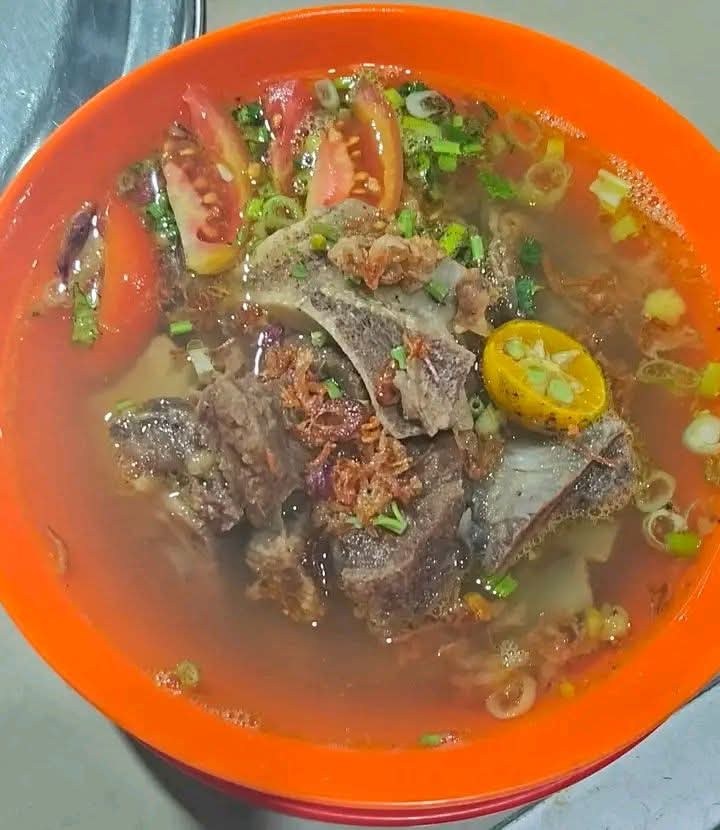
Sop Iga is a traditional Indonesian beef rib soup celebrated for its deeply satisfying, comforting flavors and tender, succulent meat. This hearty soup combines simple, wholesome ingredients into a dish that is both nourishing and flavorful, making it an ideal choice for family dinners or special occasions.
Perfect for home cooks who want to create a rich yet balanced soup, Sop Iga offers a savory broth infused with aromatic spices, fresh tomatoes, and a bright hint of citrus. The long, slow simmering process ensures the beef ribs become incredibly tender while the broth develops a clean, rich taste that warms the soul.
Why you’ll love this Sop Iga beef rib soup
- This soup features tender, fall-off-the-bone beef ribs that melt in your mouth, providing a truly luxurious texture.
- The broth is clear yet packed with deep, savory flavor derived from natural aromatics and slow cooking, avoiding heaviness.
- Fresh tomatoes and lime add a refreshing brightness that balances the richness of the beef, enhancing overall flavor complexity.
- The recipe is straightforward and uses accessible ingredients commonly found in most kitchens, making it easy to prepare.
- Versatile in nature, Sop Iga can be served as a comforting main dish or alongside steamed rice for a well-rounded, satisfying meal.
Ingredients
- 1.5 kg beef ribs, cut into serving pieces
- 2.5 liters water
- 1 onion, halved
- 6 cloves garlic, lightly crushed
- 3 cm ginger, sliced
- 2 stalks celery or 2 scallions tied in a knot
- 2 tsp salt, or to taste
- 1 tsp white pepper
- 1 tbsp sugar
- 2 tomatoes, cut into wedges
- 3 scallions, thinly sliced
- 3 tbsp fried shallots
- 2 small limes or 4 calamansi, halved
- 1 tbsp cooking oil
This recipe serves 4-6 people and requires about 15 minutes of preparation and 2 hours of cooking time. The key ingredients include fresh beef ribs, ideally well-marbled to ensure tenderness and flavor during slow cooking. Aromatics such as onion, garlic, and ginger build a rich, layered broth that forms the soup’s heart. Choose ripe, firm tomatoes to provide a bright acidity that contrasts with the savory meat. Fresh scallions add a mild onion flavor and vibrant color as garnish. Using lime or calamansi for finishing adds a zesty brightness that perfectly balances the soup’s rich, meaty broth.
Instructions
- Clean the beef ribs: Rinse the beef ribs thoroughly under cold running water to remove any surface impurities. Place them in a large pot with 2.5 liters of water and bring to a boil. Let it boil for 5 minutes; this process helps to release scum and blood residues. Drain the water and rinse the ribs well to ensure a clean base for your broth.
- Prepare the broth: Transfer the cleaned ribs to a clean pot and add 2.5 liters of fresh water. Add the halved onion, lightly crushed garlic cloves, sliced ginger, and either celery stalks or scallions tied in a knot. These aromatics infuse the broth with subtle depth and fragrance.
- Simmer the soup: Bring the mixture to a gentle boil over medium heat. Use a spoon to skim off any foam or impurities that rise to the surface, keeping the broth clear. Lower the heat to maintain a gentle simmer. Let it cook uncovered for 1.5 to 2 hours until the beef ribs are tender and the broth is flavorful and clear.
- Season the broth: Add salt, white pepper, and sugar to the pot. Stir and taste, adjusting seasoning carefully to balance savory and slightly sweet notes. Proper seasoning enhances the natural flavors without overpowering the delicate broth.
- Assemble the soup bowls: Place fresh tomato wedges into each serving bowl. Ladle the hot soup over the tomatoes, including several pieces of tender beef ribs in each bowl to create an inviting presentation.
- Garnish and serve: Sprinkle thinly sliced scallions and fried shallots on top for a fresh, crunchy contrast. Serve immediately with halved lime or calamansi for squeezing fresh juice over the soup just before eating to elevate the flavors.
Tips for the best results
- Choose fresh, meaty beef ribs with good marbling: The fat interspersed within the meat melts during cooking, enriching the broth and ensuring tender, flavorful ribs.
- Regularly skim the broth during simmering: Removing foam and impurities keeps the broth clear and prevents off-flavors, resulting in a clean, refined soup.
- Simmer gently instead of boiling vigorously: A gentle simmer prevents the meat from toughening and helps maintain a clear broth by minimizing agitation.
- Adjust salt and pepper gradually: Adding seasoning in small increments allows you to control the soup’s flavor balance and avoid oversalting.
- Add lime or calamansi juice just before serving: Citrus loses its vibrant aroma and brightness if cooked; adding it last preserves its fresh, zesty character.
- Use fried shallots as garnish: They add a delightful crunchy texture and a burst of sweet, caramelized flavor that complements the tender meat and broth.
Variations and substitutions
- Add a pinch of ground nutmeg or whole cloves during simmering to introduce warm, aromatic undertones that deepen the flavor profile.
- Replace celery with scallions if preferred or if celery is unavailable; scallions impart a milder, sweeter onion flavor that works well in this soup.
- Swap beef ribs for bone-in short ribs or beef shank for different textures and slightly varied flavor intensities.
- For a spicy twist, add sliced fresh chili or a dash of chili sauce when serving to enhance the soup’s complexity.
- Include vegetables like carrots or potatoes during simmering to create a heartier, more filling version of the soup.
Serving suggestions
Sop Iga is best enjoyed hot, served alongside steamed white rice which soaks up the richly flavored broth beautifully. Complement the meal with simple side dishes such as sautéed leafy greens—like spinach or water spinach—or fresh cucumber slices to add a crisp, refreshing contrast. For those who like heat, a small bowl of sambal chili paste provides a spicy kick that enhances the soup’s flavors. Squeezing fresh lime or calamansi juice over the soup just before eating adds a bright, tangy note that perfectly balances the richness of the beef broth, making each spoonful vibrant and satisfying.
Storage and reheating
Leftover Sop Iga can be stored in an airtight container in the refrigerator for up to 3 days. The flavors will continue to meld and deepen overnight, often making the soup taste even better the next day. When reheating, warm the soup gently over low heat on the stove to avoid toughening the meat. Avoid boiling the soup vigorously during reheating to preserve the tenderness of the beef ribs. If the broth has thickened or reduced too much, add a small amount of water or fresh broth to loosen it before warming. This helps maintain the perfect consistency and flavor balance.
Frequently asked questions
What cut of beef is best for Sop Iga?
Beef ribs with bones are the traditional choice for Sop Iga because the bones enrich the broth with natural gelatin and flavor during slow simmering. The ribs also become tender and flavorful, making them ideal for this soup. Alternatively, beef shank or short ribs can be used for variations in texture and taste, but ribs remain the classic option for authentic results.
Can I make Sop Iga in a slow cooker?
Yes, Sop Iga can be prepared in a slow cooker by cooking the beef ribs with aromatics on low heat for 6 to 8 hours. This method yields very tender meat and a flavorful broth with minimal active cooking time. When using a slow cooker, reduce the amount of salt and seasonings initially, then adjust and add more near the end of cooking to suit your taste.
How do I keep the broth clear?
Keeping the broth clear requires skimming off foam and impurities during the initial boiling and periodically throughout the simmering process. Using gentle heat to maintain a low simmer rather than a rolling boil prevents the broth from becoming cloudy. Additionally, rinsing the ribs after the initial boil removes excess blood and scum, which helps achieve a clean, clear broth.
Can I prepare Sop Iga ahead of time?
Absolutely. Sop Iga benefits from being made ahead, as resting allows the flavors to develop and meld beautifully. Prepare the soup, then refrigerate it overnight. When ready to serve, reheat gently on the stove and add fresh garnishes and lime juice just before serving to maintain brightness and freshness.
What can I serve with Sop Iga?
Steamed white rice is the classic accompaniment to Sop Iga, as it absorbs the rich broth perfectly. You can also serve fresh or sautéed vegetables to add texture and balance. Sambal chili sauce or pickled condiments provide spicy or tangy contrasts that complement the soup’s rich, savory flavors, enhancing the overall meal experience.
Final thoughts
Sop Iga is a wonderfully comforting and flavorful beef rib soup that brings warmth and satisfaction to any dining table. Its rich, clear broth, tender meat, and fresh garnishes create a harmonious dish that is both nourishing and delicious. By following this easy, step-by-step recipe, you can bring a taste of authentic Indonesian comfort food to your home kitchen, impressing family and friends with every bowl.