
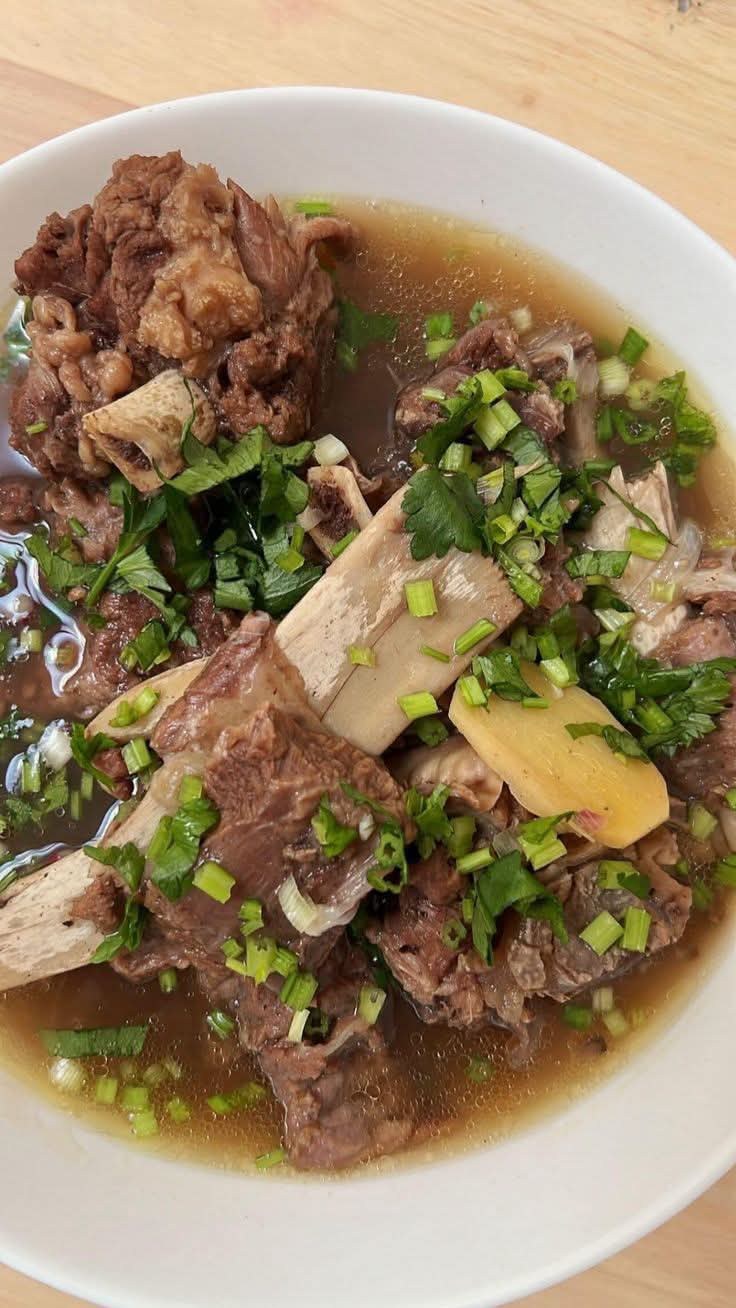
Galbitang (Korean Beef Short Rib Soup) is a classic Korean dish known for its rich, clear broth and tender beef short ribs. This hearty soup is ideal for those who appreciate deep, savory flavors and a comforting, nutritious meal. Whether you’re new to Korean cuisine or a seasoned fan, this recipe delivers an authentic taste with simple ingredients and straightforward steps.
This soup takes a bit of time to prepare—about 2 hours of simmering—but the result is well worth it. Galbitang is perfect for family dinners or special occasions when you want something warm, nourishing, and satisfying. The slow-cooked beef and aromatic broth make it a standout dish that’s both traditional and approachable.
Why you’ll love this Galbitang (Korean Beef Short Rib Soup)
- The broth is clear yet deeply flavorful, showcasing the rich taste of beef short ribs without heaviness.
- The slow simmering process renders the meat tender and succulent, perfect for enjoying on its own or with rice.
- This recipe uses simple, wholesome ingredients that come together to create a comforting and nourishing dish.
- Galbitang is versatile—you can enjoy it as a main meal or a starter for a Korean-inspired feast.
- The garnishes of scallions and cilantro add fresh, vibrant notes that balance the rich broth beautifully.
Ingredients
- 3 lb beef short ribs, cut into bone-in sections
- 12 cups water
- 1 medium onion, halved
- 1 whole head garlic, halved crosswise
- 1 piece ginger, about 2 inches, sliced
- 2 scallions, cut into large lengths for simmering
- 1 tbsp salt, plus more to taste
- 1 tsp black pepper
- 2 more scallions, finely chopped for garnish
- 1/4 cup chopped cilantro or flat-leaf parsley for garnish
Prep time: 15 minutes | Cook time: 2 hours | Servings: 4
The key ingredients in Galbitang are beef short ribs and aromatics like garlic, ginger, and scallions. Choosing good-quality, bone-in short ribs will give you the best flavor and tender meat. Fresh ginger and garlic add a subtle warmth and depth to the broth, while scallions provide both aromatic richness during cooking and bright freshness as a garnish.
Instructions
- Soak the ribs: Place the beef short ribs in cold water and soak for 30 minutes to draw out excess blood, then drain thoroughly.
- Blanch the ribs: Put the ribs in a large pot, cover with fresh water, and bring to a boil for 5 minutes. Drain and rinse the ribs and clean the pot to remove impurities.
- Combine ingredients: Return the ribs to the cleaned pot. Add 12 cups of fresh water, onion halves, halved garlic head, sliced ginger, and the large-cut scallions.
- Simmer gently: Bring the mixture to a gentle boil, then reduce heat to low. Skim off any foam or fat that rises to the surface to keep the broth clear.
- Cook until tender: Let the soup simmer uncovered or partially covered for 1 1/2 to 2 hours until the beef is tender and the broth is flavorful and clear.
- Season and strain: Add 1 tablespoon salt and 1 teaspoon black pepper to taste. Remove the onion, ginger slices, and large scallion pieces from the pot.
- Serve: Place the ribs in serving bowls and ladle the hot broth over them. Garnish with finely chopped scallions and chopped cilantro or parsley for a fresh finish.
Tips for the best results
- Soaking and blanching the ribs removes excess blood and impurities for a cleaner, clearer broth.
- Skimming foam and fat during simmering prevents cloudiness and helps create a light, flavorful soup.
- Use bone-in short ribs for maximum flavor and tenderness in the broth and meat.
- Simmer gently—avoid boiling vigorously to keep the broth clear and the meat tender.
- Adjust salt gradually after cooking to avoid over-seasoning the soup.
- Garnish with fresh herbs just before serving to preserve their bright flavor and color.
Variations and substitutions
- Add sliced carrots or daikon radish during simmering for extra sweetness and texture.
- Substitute flat-leaf parsley for cilantro if you prefer a milder herb garnish.
- Use beef neck bones or shank instead of short ribs for a different texture and flavor.
- Add thinly sliced green onions or mushrooms as garnish or in the broth for variety.
- Incorporate a splash of soy sauce or a few drops of sesame oil at the end for a subtle twist on classic Galbitang.
Serving suggestions
Galbitang is traditionally served hot as a nourishing soup, often accompanied by steamed white rice to soak up the delicious broth. You can serve it alongside classic Korean side dishes like kimchi, pickled vegetables, or seasoned spinach for a complete meal. The tender beef ribs can be eaten directly from the bone or shredded if preferred. This soup also pairs well with light salads or steamed greens to balance the richness.
Storage and reheating
Store leftover Galbitang in an airtight container in the refrigerator for up to 3 days. When reheating, warm it gently on the stove over medium-low heat to preserve the broth’s clarity and tenderness of the meat. Avoid boiling again, which can toughen the beef and cloud the soup. For longer storage, you can freeze the soup for up to 2 months—thaw overnight in the fridge before reheating.
Frequently asked questions
What cut of beef is best for Galbitang?
Beef short ribs with bone-in sections are ideal for Galbitang. The bones add rich flavor to the broth, and the meat becomes tender and succulent when simmered slowly. You can also try beef shank or neck bones if short ribs are unavailable.
Can I add vegetables to Galbitang?
Yes, vegetables like carrots or daikon radish can be added during simmering for additional sweetness and nutrition. They complement the broth and add texture without overpowering the traditional flavors.
How do I keep the broth clear?
To keep the broth clear, soak and blanch the ribs to remove impurities, skim foam and fat during the simmering, and avoid boiling vigorously. Low, gentle simmering is key to a clear and flavorful soup.
Is Galbitang spicy?
Traditional Galbitang is not spicy; it is a mild, savory soup. However, you can adjust the seasoning or add chili flakes or hot sauce on the side if you prefer some heat.
Can Galbitang be made in a slow cooker?
Yes, you can use a slow cooker by following the initial blanching steps, then cooking the ribs with water and aromatics on low for 6-8 hours. This method also yields tender meat and flavorful broth with less active cooking time.
Final thoughts
Galbitang (Korean Beef Short Rib Soup) is a comforting and flavorful dish that highlights the beauty of simple ingredients cooked with care. Its rich broth and tender ribs make it a perfect meal for cooler days or special family gatherings. Give this recipe a try—you’ll appreciate the soothing warmth and authentic taste it brings to your table.