
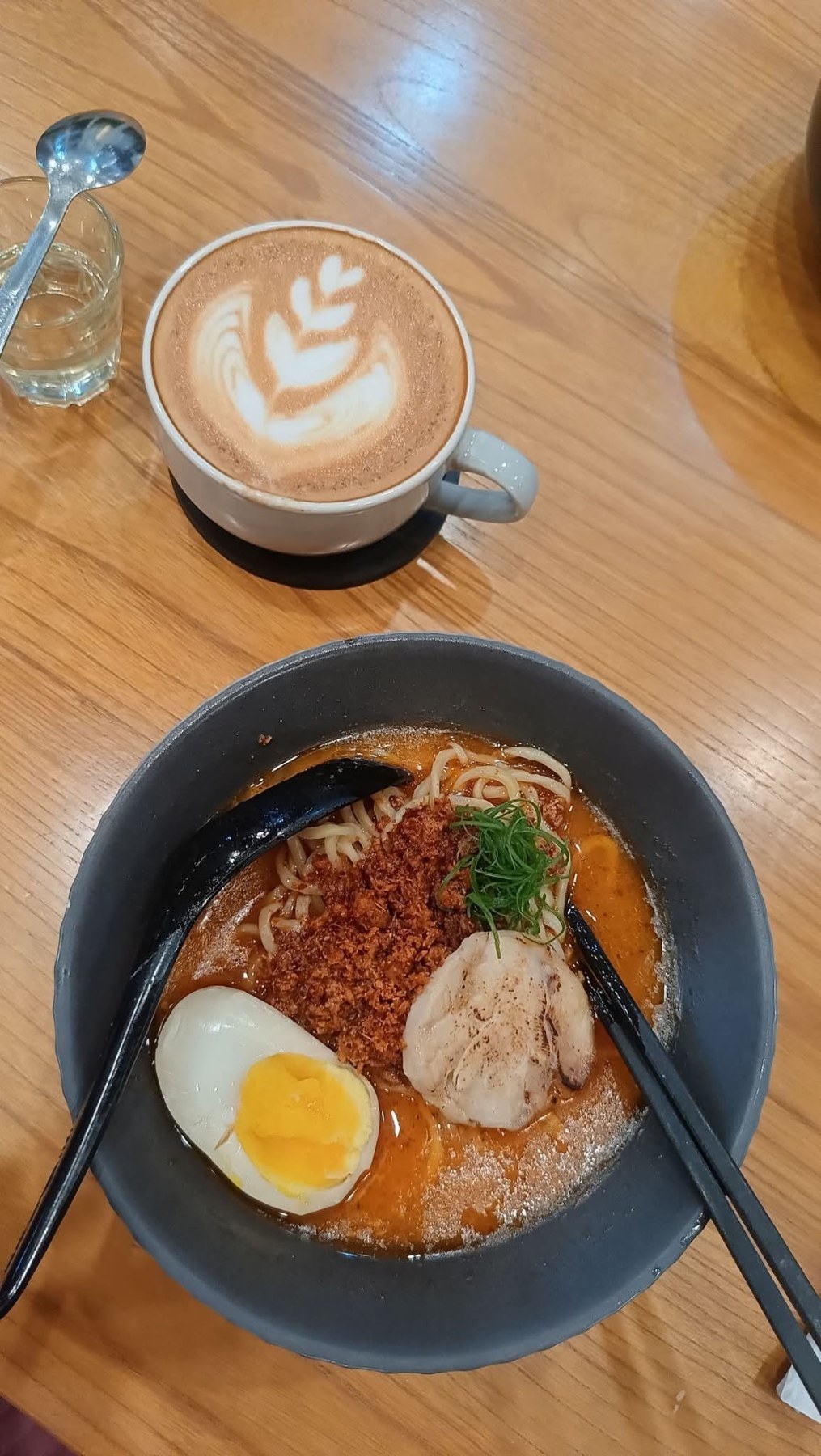
Tantanmen Ramen is a flavorful Japanese noodle soup known for its rich, spicy broth and tender ground pork topping. This dish perfectly balances creamy sesame, spicy chili, and umami-packed miso in a comforting bowl that’s ideal for anyone craving a warming, satisfying meal.
Whether you’re a ramen enthusiast or new to Japanese cuisine, this Tantanmen Ramen recipe is approachable and quick enough for weeknight dinners. Ready in under 45 minutes, it combines fresh ramen noodles with a complex broth that’s both creamy and spicy, making it a standout dish for cold evenings or anytime you want a delicious homemade ramen experience.
Why you’ll love this Tantanmen Ramen
- This recipe offers a perfect balance of creamy, spicy, and savory flavors in every bite.
- The use of ground pork provides a hearty, meaty texture that complements the broth beautifully.
- Fresh ramen noodles cook quickly and absorb the rich broth, enhancing the overall taste.
- The inclusion of soft-boiled eggs and sliced chashu adds classic ramen toppings for an authentic experience.
- It’s a versatile dish that can be adjusted to suit your preferred spice level and protein choices.
Ingredients
- 4 portions fresh ramen noodles
- 300 g ground pork
- 1 tbsp neutral oil
- 3 cloves garlic, minced
- 1 tbsp fresh ginger, minced
- 2 tbsp doubanjiang or chili bean paste
- 2 tbsp soy sauce
- 1 tbsp sake
- 1 tsp sugar
- 4 cups chicken stock
- 2 cups unsweetened soy milk or 1 cup soy milk plus 1 cup water
- 4 tbsp tahini or Chinese sesame paste
- 2 tbsp white or red miso
- 2 tbsp chili oil, plus extra to serve
- 4 soft-boiled eggs, halved
- 8 thin slices chashu pork or cooked chicken breast
- 2 green onions, thinly sliced
- 1 tsp toasted sesame seeds optional
- salt to taste
Prep Time: 20 minutes | Cook Time: 25 minutes | Servings: 4
The key ingredients in Tantanmen Ramen include fresh ramen noodles, which provide a springy texture that soaks up the flavorful broth. Ground pork adds a rich, meaty element, while chicken stock forms the hearty base. Tahini or Chinese sesame paste gives the broth its creamy, nutty character, and miso enhances the umami depth. Doubanjiang or chili bean paste and chili oil bring the signature spicy heat. For best results, use fresh noodles and good-quality chicken stock, and adjust chili paste amounts to your preferred spice level.
Instructions
- Prepare soft-boiled eggs: Place eggs in boiling water and cook for 6 1/2 to 7 minutes. Transfer to ice water to stop cooking, peel carefully, and halve each egg.
- Cook ground pork: Heat the neutral oil in a saucepan over medium heat. Add ground pork and cook, stirring often, until browned and crumbly, about 5-7 minutes.
- Add aromatics and seasonings: Stir in minced garlic, ginger, doubanjiang, soy sauce, sake, and sugar. Cook for 1 to 2 minutes until fragrant and slightly caramelized. Remove from heat and set aside the spicy pork mixture.
- Make the broth: In a separate pot, whisk together chicken stock, soy milk, tahini, miso, and chili oil. Bring to a gentle simmer over medium heat. Taste and season with salt as needed.
- Cook ramen noodles: Boil fresh ramen noodles according to package instructions until tender but firm. Drain well to avoid excess water in the soup.
- Assemble bowls: Divide the hot broth evenly into four bowls, then add the cooked ramen noodles to each bowl.
- Add toppings: Place a generous mound of the spicy minced pork on top of the noodles. Add two slices of chashu pork or cooked chicken breast, half of a soft-boiled egg, and sprinkle with sliced green onions. Drizzle extra chili oil on top and garnish with toasted sesame seeds if using.
- Serve immediately: Serve the Tantanmen Ramen hot for the best flavor and texture experience.
Tips for the best results
- Use fresh ramen noodles whenever possible for the best texture and flavor absorption.
- Don’t overcook the eggs; 6 1/2 to 7 minutes yields a creamy yolk perfect for ramen.
- Adjust the amount of doubanjiang and chili oil to control the spiciness according to your taste.
- Whisk the broth ingredients well to prevent lumps and ensure a smooth, creamy soup.
- Cook the ground pork until nicely browned for maximum flavor development.
- Serve the ramen immediately after assembly to keep noodles from becoming soggy.
Variations and substitutions
- Protein swap: Replace ground pork with ground chicken or turkey for a lighter option.
- Vegetarian version: Use firm tofu instead of meat and vegetable broth instead of chicken stock.
- Dairy alternative: Substitute soy milk with oat milk or almond milk if preferred.
- Spice level: Reduce chili oil and doubanjiang to make it milder or add more for extra heat.
- No miso option: Omit miso and add a splash of soy sauce or tamari for umami depth.
Serving suggestions
Serve Tantanmen Ramen in deep bowls to hold the rich broth and toppings comfortably. Garnish with extra sliced green onions, toasted sesame seeds, or a drizzle of chili oil for added flavor and visual appeal. Pair with a simple side of steamed vegetables, pickled radish, or a fresh cucumber salad to balance the spicy richness of the soup. This dish is perfect for a cozy dinner or entertaining guests who enjoy bold Asian flavors.
Storage and reheating
Store leftover broth and pork topping separately in airtight containers in the refrigerator for up to 2 days. Keep noodles separate to prevent them from becoming mushy. To reheat, warm the broth and pork gently on the stove until simmering. Reheat noodles briefly in hot water or microwave just until warmed through, then assemble and serve immediately. Avoid reheating assembled ramen to maintain texture and flavor.
Frequently asked questions
What is Tantanmen Ramen?
Tantanmen Ramen is a Japanese adaptation of the Chinese Sichuan dan dan noodles. It features a spicy, creamy broth made from sesame paste, miso, chili oil, and chicken stock, topped with ground pork, soft-boiled eggs, and other classic ramen ingredients.
Can I use dried ramen noodles instead of fresh?
Yes, dried ramen noodles can be used, but fresh noodles provide a better texture and soak up the broth more effectively. If using dried noodles, follow package cooking instructions carefully to avoid overcooking.
How spicy is Tantanmen Ramen?
The spice level depends on the amount of doubanjiang and chili oil used. This recipe has a moderate heat that can be adjusted to your preference by adding more or less chili paste and oil.
Is tahini the same as Chinese sesame paste?
They are similar but not identical. Tahini is made from hulled sesame seeds and has a lighter flavor, while Chinese sesame paste is typically made from toasted, hulled sesame seeds and has a richer, nuttier taste. Either works well in this recipe.
Can I make Tantanmen Ramen vegetarian?
Yes, substitute the ground pork with firm tofu or mushrooms and use vegetable broth instead of chicken stock. Adjust seasonings to taste for a delicious vegetarian version.
Final thoughts
With its bold flavors and creamy, spicy broth, Tantanmen Ramen is a satisfying dish that brings warmth and excitement to your dinner table. This recipe combines ease and authenticity, making it perfect for home cooks eager to explore Japanese ramen culture. Give this Tantanmen Ramen a try—you’ll love how the rich broth and tender toppings come together in every comforting spoonful.