
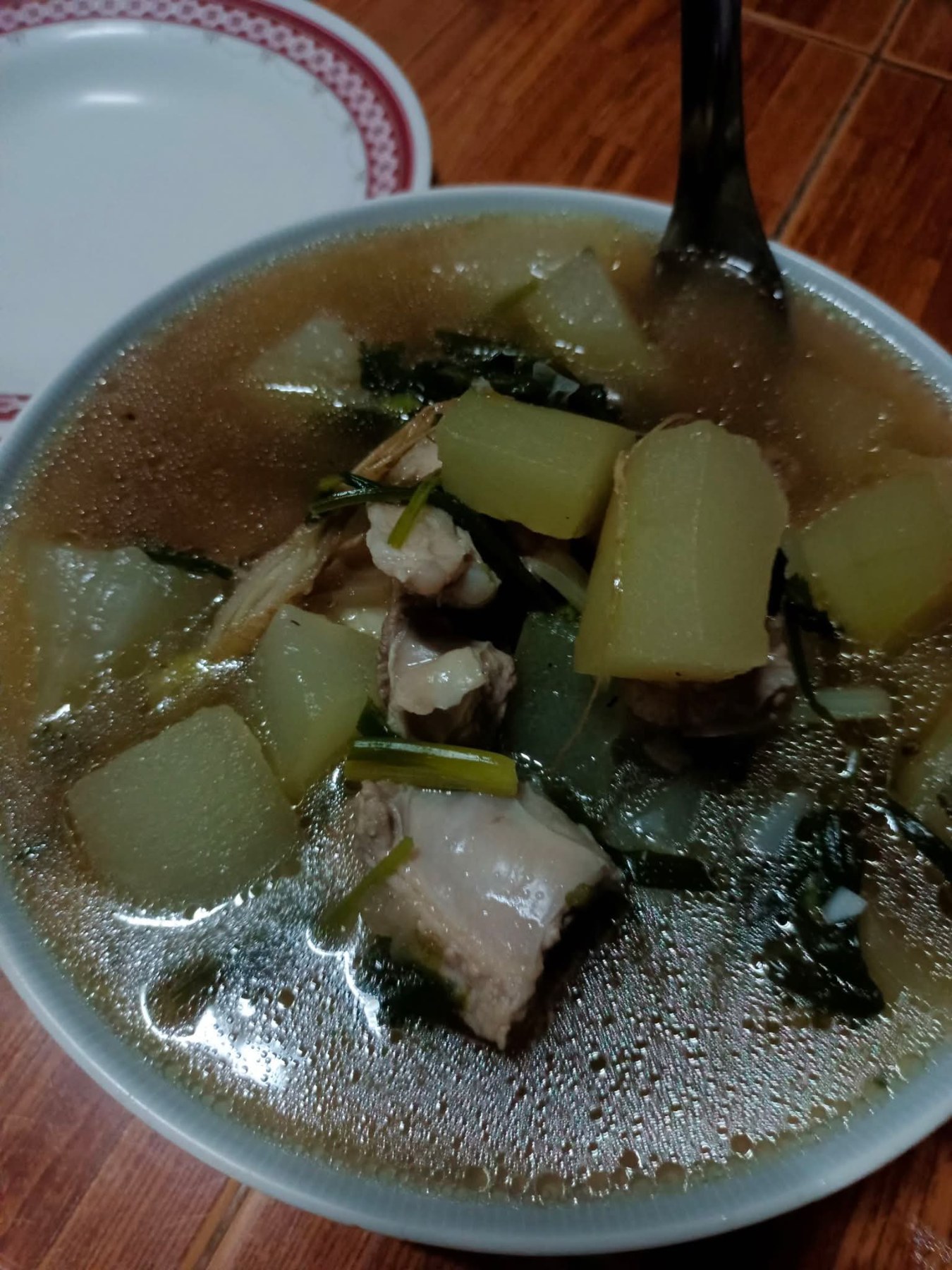
Pork Rib and Winter Melon Soup is a classic Chinese dish celebrated for its delicate flavors and nourishing qualities. This soup masterfully combines tender pork ribs with subtly sweet winter melon, resulting in a light yet deeply satisfying broth that can be enjoyed any time of the year. Its gentle taste and wholesome ingredients make it an ideal choice for those seeking comforting, balanced meals that are easy to prepare.
Perfect for home cooks looking for a wholesome family meal, this recipe excels in simplicity and flavor. The long simmering process tenderizes the pork ribs and infuses the broth with rich, nuanced flavors without heaviness. Whether served on a chilly day to warm the soul or as a light dish in warmer months, this soup is a timeless favorite that delivers both comfort and nutrition.
Why you’ll love this Pork Rib and Winter Melon Soup
- This soup offers a perfect harmony of savory pork richness and the mild, refreshing sweetness of winter melon.
- The slow simmering technique ensures tender ribs and a clear, flavorful broth free of cloudiness or greasiness.
- It requires only a handful of simple, everyday ingredients yet yields an elegant and comforting dish.
- Versatile for all seasons, it warms you in colder weather and remains light enough for warmer days.
- Low in fat and easy to digest, this soup is a wonderful choice for families and those seeking gentle nourishment.
Ingredients
- 700 g pork ribs, chopped into small sections
- 800 g winter melon, peeled and cut into 3 cm cubes
- 2 L water
- 25 g ginger, sliced
- 3 scallions, cut into 5 cm lengths
- 1 tsp salt, or to taste
- 1/2 tsp white pepper
- 1 tbsp Shaoxing wine (optional)
This recipe serves 4 and involves approximately 15 minutes of preparation and 1 hour 15 minutes of cooking time. The key ingredients include pork ribs, which impart rich flavor and valuable protein, and winter melon, prized for its mild sweetness and tender texture after cooking. When selecting winter melon, look for a firm, fresh melon with smooth skin free of blemishes or soft spots to ensure a clean and crisp taste. For the ribs, choose cuts with some marbling or fat to enrich the broth’s depth and mouthfeel. Fresh ginger and scallions contribute aromatic warmth, while Shaoxing wine adds a subtle complexity if you opt to include it in your soup.
Instructions
- Blanch the pork ribs: Bring a pot of water to a boil and add the chopped ribs. Boil for 2 to 3 minutes to remove impurities, then drain and rinse the ribs under cold water. This step helps remove blood and scum, resulting in a cleaner, clearer broth.
- Start the broth: Place the cleaned ribs in a large pot and add 2 liters of fresh water along with the sliced ginger. Bring to a rolling boil over high heat. The ginger imparts a gentle warmth and aroma to the broth.
- Simmer gently: Reduce the heat to maintain a gentle simmer. Cook uncovered for 45 to 60 minutes, skimming off any foam or scum that rises to keep the broth clear. This slow simmer extracts flavor while preventing cloudiness.
- Add winter melon: Stir in the cubed winter melon and continue to simmer for another 15 to 20 minutes. The melon should become slightly translucent and tender but hold its shape, contributing a subtle sweetness and body to the soup.
- Season the soup: Add salt, white pepper, and Shaoxing wine if using. Adjust seasoning to your taste. The white pepper adds a gentle heat that complements the mild broth.
- Finish with scallions: Add the scallions in the last 1 to 2 minutes of cooking for fresh aroma, then remove from heat and serve the soup hot. This preserves their bright color and fresh flavor.
Tips for the best results
- Choose fresh pork ribs with some fat: The fat renders slowly during simmering, enriching the broth with a silky texture and deeper flavor.
- Thoroughly blanch the ribs: This removes blood and impurities that can cause bitterness and cloudiness, ensuring a clean-tasting, clear soup.
- Maintain a gentle simmer: Avoid boiling vigorously as it breaks down proteins unevenly and causes a cloudy broth. A gentle simmer extracts flavors gradually and keeps the broth clear.
- Cut winter melon into uniform cubes: Even-sized pieces cook evenly, preventing some parts from turning mushy while others remain firm, preserving texture.
- Skim foam regularly: Removing scum as it forms prevents off-flavors and bitterness, and maintains the broth’s visual appeal.
- Add scallions at the end: Adding scallions just before serving preserves their vibrant color and fresh, herbal aroma, enhancing the soup’s final presentation and taste.
Variations and substitutions
- Use bone-in chicken pieces: For a lighter version, substitute pork ribs with chicken parts such as thighs or drumsticks; cooking times may vary slightly.
- Add dried scallops or shrimp: Incorporate dried seafood for a rich umami boost common in some regional versions of this soup.
- Replace Shaoxing wine: Use dry sherry or omit entirely for a non-alcoholic version without sacrificing much flavor complexity.
- Include goji berries or red dates: These add subtle sweetness and extra nutrients, complementing the soup’s mild flavors.
- Use low-sodium broth instead of water: For a richer, deeper base flavor, substitute water with a light broth, adjusting seasoning accordingly.
Serving suggestions
Serve Pork Rib and Winter Melon Soup hot as a comforting starter or as part of a balanced meal alongside steamed white rice and stir-fried vegetables for added texture and nutrition. Light, crisp side dishes such as sautéed bok choy, garlic green beans, or a refreshing cucumber salad provide a pleasant contrast to the warm, mellow soup. Garnishing with extra chopped scallions or fresh coriander leaves can add a pop of color and fresh herbal brightness, enhancing both presentation and flavor.
Storage and reheating
Store any leftover soup in an airtight container in the refrigerator for up to 2 days to maintain freshness and flavor. When reheating, warm the soup gently over low heat to preserve the delicate flavors and prevent the winter melon from breaking down further or becoming overly soft. Avoid boiling the soup again as this can alter the texture and cause the broth to become cloudy. For longer storage, freeze the soup in a suitable container for up to 1 month. Thaw overnight in the refrigerator before reheating to maintain the best quality.
Frequently asked questions
Can I use other cuts of pork instead of ribs?
Yes, you can substitute pork ribs with other cuts such as pork shoulder or bone-in pork chops. However, ribs are preferred because they contain collagen and fat that release gelatin during cooking, enriching the broth’s texture and flavor. Other cuts may require longer or shorter cooking times to become tender, so adjust accordingly to avoid toughness or overcooking.
Is winter melon available year-round?
Winter melon is typically in season during late summer through fall, but can often be found frozen or preserved in many Asian markets throughout the year. Fresh winter melon provides the best texture and flavor, with a crisp but tender bite that enhances the soup. When fresh melon is unavailable, frozen options can be used but may have a softer texture after cooking.
What if I don’t have Shaoxing wine?
If Shaoxing wine is not available, you can omit it without significantly affecting the overall taste. Alternatively, dry sherry or a small splash of mirin can be used as substitutes to impart mild sweetness and depth. The soup will remain delicious and comforting even without this ingredient.
How can I keep the broth clear?
Maintaining a clear broth involves several key steps: blanch the ribs thoroughly to remove blood and impurities, skim off foam regularly during simmering, and keep the heat low to maintain a gentle simmer instead of a rolling boil. These techniques prevent cloudiness caused by broken proteins and suspended particles, resulting in a visually appealing and clean-tasting soup.
Can I prepare this soup in a slow cooker?
Yes, after blanching the ribs, you can transfer all ingredients except scallions and seasonings into a slow cooker. Cook on low for 6 to 8 hours to allow flavors to develop fully and ribs to become tender. Add scallions and season the soup just before serving to preserve freshness and aroma. This method is convenient for hands-off cooking while still achieving great results.
Final thoughts
Pork Rib and Winter Melon Soup is a wonderfully simple yet deeply satisfying dish that brings warmth and balance to your dining table. Its tender pork ribs and gentle, subtly sweet melon combine to create a nourishing and comforting experience suitable for any occasion. This recipe is easy to follow and perfect for both novice and experienced home cooks. Give it a try and enjoy a traditional Chinese soup that comforts the body and delights the palate.