
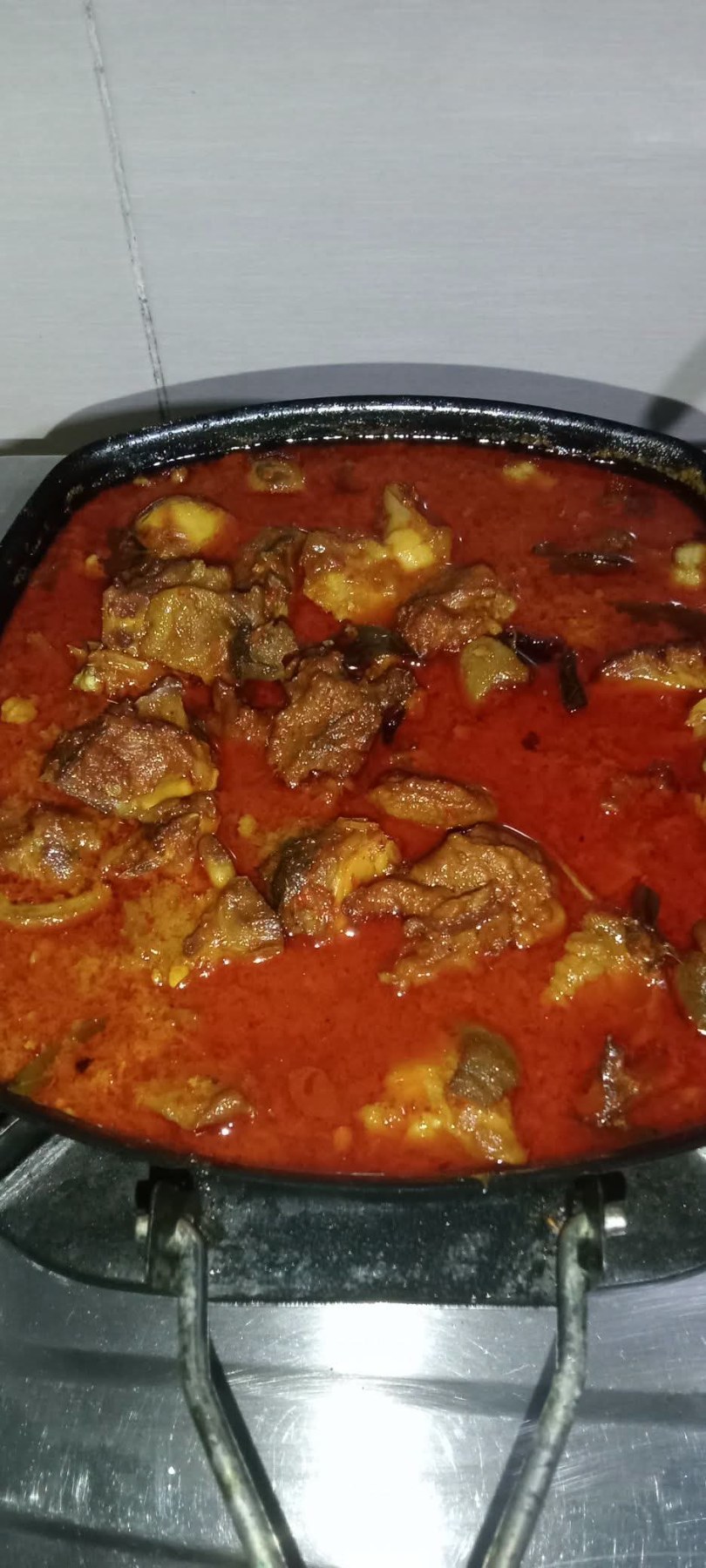
Nigerian Goat Meat Stew is a beloved West African dish known for its deep, spicy flavors and tender meat. This stew combines succulent goat meat with a vibrant blend of tomatoes, peppers, and aromatic spices, creating a hearty meal that will satisfy any palate. It’s perfect for those who enjoy rich, savory dishes with a touch of heat and complexity.
Whether you’re cooking for family or entertaining guests, this Nigerian Goat Meat Stew offers a comforting and memorable dining experience. With just over an hour of cooking time and simple ingredients, it’s a practical recipe that brings authentic Nigerian flavors right to your kitchen.
Why you’ll love this Nigerian Goat Meat Stew
- This stew features tender, slow-cooked goat meat that melts in your mouth.
- The rich tomato and pepper sauce balances heat and sweetness perfectly.
- It uses simple, easily accessible ingredients common in many kitchens.
- The recipe is versatile and pairs well with rice, yam, plantain, or bread.
- Cooking with palm oil option offers an authentic taste and richer flavor profile.
Ingredients
- 2 lb (900 g) goat meat, cut into bone-in pieces
- 1 large onion, divided
- 6 plum tomatoes or 1 1/2 cups canned crushed tomatoes
- 3 red bell peppers
- 2-3 Scotch bonnet peppers
- 1/2 cup vegetable oil or red palm oil
- 2 tablespoons tomato paste
- 2 cups goat stock or water
- 2 teaspoons curry powder
- 1 teaspoon dried thyme
- 2 seasoning cubes
- 1 teaspoon salt, plus more to taste
- 1/2 teaspoon black pepper
Servings: 4-6 | Prep time: 20 minutes | Cook time: 1 hour 20 minutes
The key ingredients in this stew are the goat meat and the blend of tomatoes, bell peppers, and Scotch bonnet peppers. Choosing fresh, quality goat meat ensures tenderness and flavor. When selecting peppers, adjust the Scotch bonnet quantity to your preferred spice level. Using red palm oil instead of vegetable oil adds a traditional, earthy richness that elevates the stew’s authenticity.
Instructions
- Prepare and simmer the goat meat. Rinse the goat meat thoroughly and place it in a pot with half of the chopped onion, dried thyme, black pepper, 1 seasoning cube, and 1 teaspoon of salt. Add a small amount of water to cover partially and simmer gently until the meat is tender, about 45 to 60 minutes. Once cooked, reserve 2 cups of the goat stock for later use.
- Blend the pepper and tomato mixture. While the meat simmers, blend the plum tomatoes, red bell peppers, Scotch bonnet peppers, and the remaining onion until smooth. This creates the base sauce for the stew.
- Brown the cooked goat meat. Heat the vegetable or red palm oil in a wide pan over medium heat. Fry the cooked goat meat pieces until they are lightly browned on all sides. Remove the meat from the pan and set aside to keep warm.
- Cook the tomato paste. In the same oil, add the tomato paste and fry for 1 to 2 minutes. This deepens the flavor and gets rid of the raw taste.
- Simmer the blended sauce. Carefully pour the blended pepper and tomato mixture into the pan. Cook over medium heat, stirring frequently, until the raw smell disappears, the sauce thickens, and the oil rises to the top. This should take about 15 to 25 minutes.
- Season the stew. Add the curry powder, the remaining seasoning cube, and salt to taste. Stir well to combine all the spices evenly.
- Combine meat and sauce. Return the browned goat meat to the pan, add some of the reserved stock, and simmer for an additional 10 to 15 minutes. This allows the meat to absorb the flavors and the stew to develop a rich, oily consistency.
- Serve hot. Enjoy your Nigerian Goat Meat Stew freshly cooked, paired with rice, yam, plantain, or bread for a complete meal.
Tips for the best results
- Simmer the goat meat slowly to ensure it becomes tender without drying out.
- Adjust the number of Scotch bonnet peppers to control the heat level according to your preference.
- Use red palm oil for an authentic flavor, but vegetable oil works well if you prefer a milder taste.
- Make sure to cook the blended sauce long enough for the oil to rise, indicating it’s fully cooked and flavorful.
- Reserve the cooking stock to add moisture and deepen the stew’s flavor during the final simmer.
- Brown the meat after initial cooking to add texture and enhance the stew’s richness.
Variations and substitutions
- Beef or chicken: Substitute goat meat with beef or chicken for a different but still delicious stew.
- Milder peppers: Replace Scotch bonnet with milder chili peppers if you prefer less heat.
- Tomato base: Use fresh ripe tomatoes in season or canned crushed tomatoes when fresh are unavailable.
- Oil choice: Swap palm oil for vegetable or sunflower oil for a lighter flavor profile.
- Herbs and spices: Experiment with additional spices like smoked paprika or ginger for a unique twist.
Serving suggestions
Nigerian Goat Meat Stew is traditionally served hot alongside staples like white rice, boiled yam, fried plantains, or fresh bread to soak up the rich sauce. For a complete meal, add a side of steamed vegetables or a simple salad to balance the hearty stew. This dish’s bold flavors make it a centerpiece for family dinners or special occasions.
Storage and reheating
Store leftover Nigerian Goat Meat Stew in an airtight container in the refrigerator for up to 3 days. To reheat, warm gently on the stove over low heat, stirring occasionally to prevent sticking and to allow the flavors to meld. You can also freeze the stew for up to 2 months; thaw overnight in the fridge before reheating thoroughly.
Frequently asked questions
Can I use a different type of meat for this stew?
Yes, you can substitute goat meat with beef or chicken. Cooking times will vary slightly; beef may need longer to become tender, while chicken cooks faster. Adjust seasoning accordingly to maintain the stew’s rich flavor.
How spicy is Nigerian Goat Meat Stew?
The stew has a moderate to high heat level due to Scotch bonnet peppers, which are quite spicy. You can reduce the number of peppers or remove the seeds to lower the heat while still enjoying the authentic flavor.
What oil is best for this recipe?
Traditional recipes often use red palm oil, which gives the stew a distinctive color and rich taste. However, vegetable oil is a great alternative if you prefer a milder flavor or cannot find palm oil.
Can I prepare this stew in advance?
Absolutely. The flavors deepen when the stew rests, so making it a day ahead can enhance the taste. Just reheat gently before serving to preserve the meat’s tenderness and the sauce’s texture.
What should I serve with Nigerian Goat Meat Stew?
This stew pairs well with staples like steamed white rice, boiled yam, fried plantains, or fresh bread. These sides complement the rich, spicy sauce and help balance the meal.
Final thoughts
Give this Nigerian Goat Meat Stew a try for a deliciously authentic taste of West Africa. Its rich flavors, tender meat, and vibrant sauce make it a rewarding dish to prepare and share. Whether you’re new to Nigerian cuisine or a seasoned fan, this stew is sure to become a favorite in your recipe collection.