
Introduction
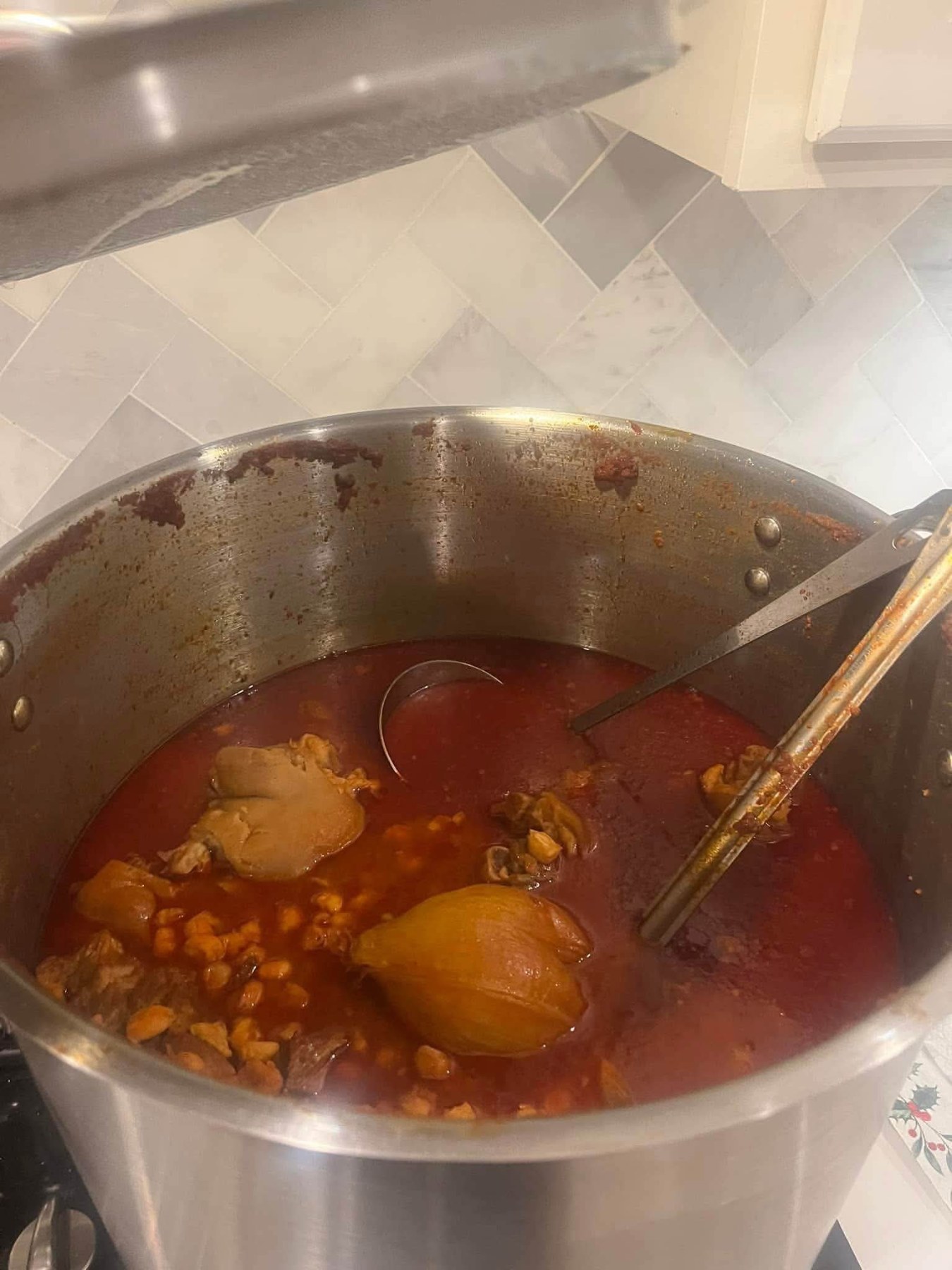
Pozole Rojo is a classic Mexican soup known for its rich red color and hearty flavors. This traditional dish features tender pork shoulder simmered with dried red chiles and hominy to create an unforgettable meal perfect for family gatherings or special occasions.
With a preparation time of about 25 minutes and a cooking time of 2 hours and 30 minutes, this recipe allows the flavors to deeply develop, resulting in a comforting and savory soup. Whether you are new to Mexican cuisine or a seasoned cook, this Pozole Rojo recipe is approachable and deeply satisfying.
Why you’ll love this Pozole Rojo recipe
- This recipe uses a blend of dried guajillo and ancho chiles, providing an authentic smoky and mildly spicy flavor.
- The slow simmering of pork shoulder and trotters ensures tender meat and a rich, gelatinous broth.
- Including hominy adds a unique texture and traditional touch that sets this soup apart.
- The recipe is flexible, allowing optional chiles de árbol for extra heat according to your preference.
- It’s perfect for large gatherings, serving 8 to 10 people with comforting, bold flavors.
Ingredients
- 3 lb pork shoulder or pork butt, cut into large chunks
- 1 lb pork trotters or pig’s feet/skin-on pork pieces (optional but recommended for gelatinous texture)
- 1 large white onion, halved
- 8 cloves garlic
- 12 cups water or light pork stock
- 2 bay leaves
- 2 tsp kosher salt, plus more to taste
- 6 dried guajillo chiles, stemmed and seeded
- 4 dried ancho chiles, stemmed and seeded
- 2 dried chile de árbol (optional)
- 1 tsp dried Mexican oregano
- 1/2 tsp ground cumin
- 2 (25 oz) cans white hominy, drained and rinsed, or about 6 cups cooked hominy
- 1 tbsp neutral oil
This recipe takes about 25 minutes to prep and 2 hours and 30 minutes to cook, serving 8 to 10 people—ideal for sharing. The key ingredients include pork shoulder, which delivers tender, flavorful meat, and dried red chiles like guajillo and ancho, which are essential for the signature red color and smoky depth. When selecting chiles, choose ones that are smooth, pliable, and free from mold or excessive dryness. Using pork trotters adds a gelatinous richness to the broth, enhancing the soup’s texture. White hominy provides a chewy contrast and authentic Mexican flavor—canned or cooked fresh hominy works well.
Instructions
- Simmer pork and aromatics: Place pork shoulder, pork trotters or skin-on pork pieces, halved onion, garlic cloves, bay leaves, salt, and water or pork stock in a large pot. Bring to a boil, skim off any foam that forms on the surface, then reduce heat to a gentle simmer.
- Cook until tender: Let the pork simmer for 1 1/2 to 2 hours until it becomes very tender. Remove the meat from the pot, shred or chop it into bite-size pieces, and discard any bones. Keep the broth hot on low heat.
- Prepare the chiles: While the pork cooks, toast the guajillo, ancho, and optional chile de árbol in a dry pan for about 10 to 20 seconds per side until fragrant. Cover them with hot water and let soak for 15 minutes to soften.
- Make the chile purée: Blend the soaked chiles with 1 cup of their soaking liquid, the cooked onion, a few garlic cloves from the broth, oregano, cumin, and a small amount of broth until smooth. Strain the mixture through a fine sieve for a smoother consistency if desired.
- Cook the chile base: Heat the neutral oil in a skillet or saucepan over medium heat. Add the chile purée and cook for 5 to 8 minutes, stirring occasionally, until the sauce thickens slightly and darkens in color.
- Combine and simmer: Stir the chile base into the hot broth. Return the shredded pork to the pot and add the drained hominy. Simmer the soup for 30 to 45 minutes to allow the flavors to meld and the broth to develop a rich red hue. Adjust salt to taste.
- Serve hot with garnishes: Ladle the pozole into bowls and serve immediately, offering traditional garnishes such as shredded cabbage or lettuce, sliced radishes, chopped onion, oregano, lime wedges, and tostadas on the side.
Tips for the best results
- Toast dried chiles just until fragrant to avoid bitterness—over-toasting can make the soup taste harsh.
- Use pork trotters or skin-on pieces to add natural gelatin for a silky broth texture.
- Skim foam from the broth during boiling to keep the soup clear and clean-tasting.
- Strain the chile purée for a smoother soup, especially if serving guests who prefer a less textured broth.
- Simmer gently to avoid breaking down the hominy too much, maintaining its chewy texture.
- Adjust chile de árbol quantity or omit it entirely depending on your preferred spice level.
Variations and substitutions
- Chicken Pozole Rojo: Substitute pork with chicken thighs for a lighter version.
- Vegetarian Pozole: Replace pork with mushrooms and vegetable broth, and use dried chiles for flavor.
- Homemade Hominy: Use freshly cooked hominy instead of canned for a more authentic taste.
- Spicy Pozole: Add extra chile de árbol or fresh jalapeños for a spicier kick.
- Smoky Flavor: Incorporate smoked paprika or chipotle chiles to deepen the smoky notes.
Serving suggestions
Pozole Rojo is traditionally served piping hot with an array of fresh garnishes. Offer shredded cabbage or crisp lettuce, thinly sliced radishes, chopped white onion, and fresh oregano leaves on the side. Lime wedges provide a bright, acidic balance, while tostadas add a crunchy contrast. For a complete meal, accompany the soup with warm corn tortillas or Mexican rice. These accompaniments enhance the flavors and textures, making every bite a vibrant experience.
Storage and reheating
Store leftover Pozole Rojo in an airtight container in the refrigerator for up to 3 days. The flavors deepen after resting, making reheated portions even tastier. To reheat, warm the soup gently on the stovetop over medium-low heat, stirring occasionally until heated through. Avoid boiling to prevent the hominy from becoming mushy. Pozole can also be frozen for up to 2 months; thaw overnight in the refrigerator before reheating.
Frequently asked questions
What is the difference between Pozole Rojo and Pozole Blanco?
Pozole Rojo features a rich red broth made from dried red chiles like guajillo and ancho, giving it a smoky and slightly spicy flavor. Pozole Blanco, on the other hand, lacks the chile base and has a clear broth, focusing more on the pork and hominy without the added chili flavor.
Can I make Pozole Rojo in a slow cooker?
Yes, you can prepare Pozole Rojo in a slow cooker by cooking the pork and aromatics on low for 6 to 8 hours until tender. Then blend and add the chile purée and hominy, simmering further to meld flavors. This method requires less hands-on time but yields equally delicious results.
What are the best garnishes for Pozole Rojo?
Traditional garnishes include shredded cabbage or lettuce, sliced radishes, chopped onion, fresh oregano, lime wedges, and tostadas. These provide freshness, crunch, and acidity that complement the rich soup perfectly.
Is it necessary to use pork trotters in the recipe?
While pork trotters are optional, they add natural gelatin which enriches the broth’s texture and body. If unavailable or undesired, you can omit them, but expect a slightly less thick and silky broth.
Can I use canned hominy instead of dried?
Absolutely. Using canned hominy saves time and is convenient. Just be sure to drain and rinse it well before adding to the soup. If using dried hominy, it requires soaking and longer cooking times to soften.
Final thoughts
Pozole Rojo is a beloved Mexican soup that combines tender pork, smoky red chiles, and hearty hominy for a deeply satisfying meal. Its rich flavors and comforting textures make it perfect for sharing with friends and family. Try this traditional recipe to bring a taste of Mexico to your kitchen and enjoy the warmth and celebration that Pozole Rojo offers.