
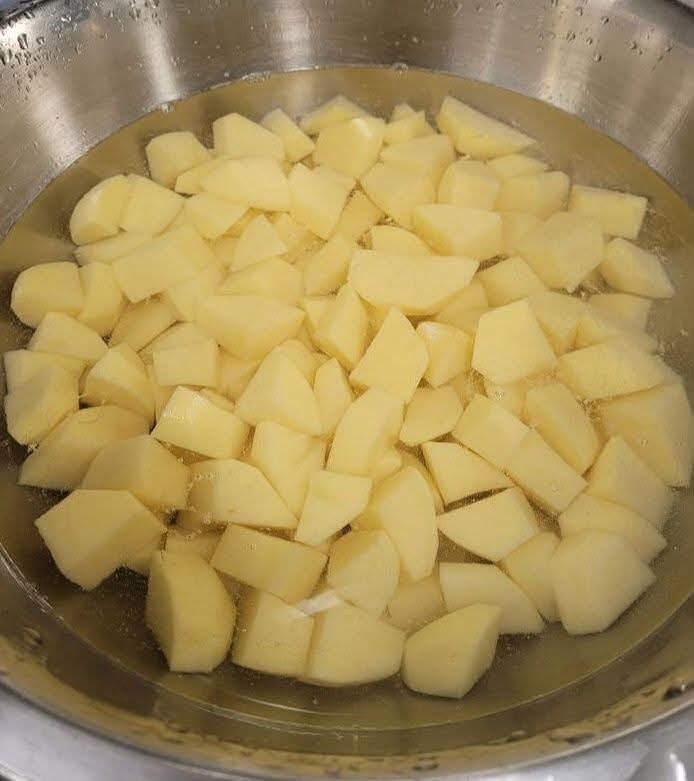
Boiled potatoes are a classic and straightforward side dish loved by many for their creamy texture and mild flavor. This boiled potatoes recipe is perfect for anyone looking for a quick, easy, and versatile accompaniment to their meals. Whether you’re preparing a family dinner or a simple weekday lunch, boiled potatoes are a reliable choice that complements a wide range of dishes, from roasted meats to fresh salads.
This recipe uses Yukon Gold or russet potatoes, cooked until tender and lightly seasoned with salt. It’s an ideal base for adding butter and fresh herbs or enjoying plain. With just about 10 minutes of preparation and 15 minutes of cooking, you’ll have a comforting side ready in no time. The simplicity of this method ensures you get potatoes that are fluffy inside yet firm enough to hold their shape, making them adaptable to many culinary uses.
Why you’ll love this boiled potatoes recipe
- It’s incredibly easy to prepare with minimal ingredients and equipment, making it accessible for cooks of all levels.
- The potatoes come out perfectly tender yet firm enough to hold their shape, avoiding mushiness or undercooking.
- This recipe provides a versatile base that pairs well with countless main dishes, from meats to vegetarian options.
- It allows for customization with simple additions like butter and herbs for extra flavor without complicating the process.
- The cooking method preserves the natural taste and texture of the potatoes, highlighting their subtle, comforting flavor.
Ingredients
- 2 lb Yukon Gold or russet potatoes, peeled and cut into 1 1/2-inch chunks
- 1 tbsp kosher salt, plus more to taste
- Water to cover by 1 inch
- 2 tbsp butter (optional, for serving)
- 1 tbsp chopped parsley (optional, for serving)
Servings: 4 servings
Prep time: 10 minutes
Cook time: 15 minutes
Choosing the right potatoes is essential for achieving the best texture and flavor. Yukon Gold potatoes are prized for their naturally buttery flavor and creamy texture, making them especially suitable for boiling. Their medium starch content means they hold together well without becoming too soft. Russet potatoes, on the other hand, are higher in starch and deliver a lighter, fluffier texture, which some prefer for a more delicate bite. Peeling the potatoes ensures a smooth, tender finish and removes any earthy skin flavor, though leaving skins on is an option if you prefer. Kosher salt is ideal because its coarse crystals season evenly without making the potatoes overly salty. Starting with cold water helps the potatoes cook evenly by gradually heating them through, preventing the outside from becoming mushy before the inside is done. Optional butter adds richness and moisture, while fresh parsley provides a bright, herbal contrast that lifts the dish.
Instructions
- Prepare the potatoes: Peel the potatoes and cut them into 1 1/2-inch chunks to ensure even cooking.
- Place in pot: Put the cut potatoes in a large pot and cover them with cold water, about 1 inch above the potatoes.
- Add salt: Stir in 1 tablespoon of kosher salt into the water to season the potatoes as they cook.
- Bring to boil: Heat the pot over medium-high heat until the water reaches a gentle boil.
- Simmer until tender: Reduce the heat to a simmer and cook the potatoes for 12 to 18 minutes, or until they are fork-tender. The exact time depends on the size of your chunks.
- Drain the water: Carefully drain the potatoes in a colander and let them sit briefly to remove excess moisture.
- Serve: Serve the potatoes plain or toss them with butter, extra salt, and chopped parsley if desired for added flavor.
Tips for the best results
- Cut potatoes into uniform chunks to ensure even cooking and consistent tenderness. Uneven pieces can result in some chunks being undercooked while others are mushy.
- Start with cold water to help the potatoes cook evenly from the inside out. Adding potatoes to boiling water can cause the outside to cook too quickly, leading to uneven texture.
- Test doneness by piercing a potato chunk with a fork; it should slide in easily without falling apart. This prevents overcooking, which causes a mushy texture and loss of shape.
- Drain potatoes well to avoid soggy texture, especially if you plan to toss them with butter. Excess water dilutes flavor and affects the final texture.
- Use fresh herbs like parsley to add a bright, fresh contrast to the richness of butter. Herbs also add visual appeal and aromatic complexity.
- Avoid overcooking to keep potatoes firm and avoid mushy texture. Timed cooking ensures potatoes remain versatile for different dishes.
Variations and substitutions
- Use red potatoes for a slightly waxier texture that holds its shape well in salads, making them ideal for cold preparations.
- Add garlic cloves to the boiling water for a subtle infused flavor that enhances the potatoes without overpowering them.
- Swap parsley for fresh dill or chives for a different herbaceous note that complements various cuisines.
- Replace butter with olive oil for a dairy-free option with a fruity richness and a slightly different mouthfeel.
- Season boiled potatoes with a sprinkle of smoked paprika or black pepper for added depth and a touch of warmth.
Serving suggestions
Boiled potatoes are a perfect side for roasted meats such as chicken, beef, or pork, where their mild flavor balances rich proteins. They also pair wonderfully with grilled fish, where their creamy texture complements flaky flesh. Sautéed or steamed vegetables alongside boiled potatoes create a well-rounded vegetarian meal. For a simple yet elegant plate, serve boiled potatoes with a drizzle of herb-infused olive oil and a sprinkle of sea salt. They can also be transformed into a quick potato salad by tossing with garlic, olive oil, herbs, and a splash of vinegar. Alternatively, mash them with butter and cream for a comforting dish that elevates any dinner. Their neutral taste and tender texture make them a versatile and dependable addition to countless meals.
Storage and reheating
Store leftover boiled potatoes in an airtight container in the refrigerator for up to 3 days to maintain freshness and prevent drying out. When reheating, gently warm them in a skillet over medium heat with a little butter or oil to restore moisture and add flavor, stirring occasionally to heat evenly. Alternatively, microwave them covered for 1 to 2 minutes until heated through, which is quick and convenient. Avoid boiling leftover potatoes again, as this can cause them to become mushy and lose their desirable texture. Proper storage and gentle reheating help retain the potatoes’ tender yet firm consistency.
Frequently asked questions
Can I boil potatoes with their skins on?
Yes, boiling potatoes with the skins on is possible and helps retain nutrients and texture, plus it saves preparation time. The skins add a rustic flavor and extra fiber. However, peeling before boiling, as in this recipe, results in a smoother texture and is preferred for dishes where a tender, uniform bite is desired, such as mashed potatoes or delicate sides.
How can I tell when boiled potatoes are done?
Potatoes are done when you can easily pierce them with a fork without resistance and they hold their shape without crumbling. The fork should slide in smoothly, indicating the potatoes are tender inside. Overcooked potatoes will feel very soft and may start to fall apart, while undercooked ones will be firm and hard to pierce. Checking periodically after 12 minutes helps prevent overcooking.
Why should I use cold water to start boiling potatoes?
Starting with cold water allows the potatoes to cook evenly from the inside out, preventing the outside from becoming mushy before the inside is fully cooked. Gradually heating the potatoes with the water ensures uniform cooking and better texture. Adding potatoes directly to boiling water can cause the surface to cook too quickly, leading to uneven doneness.
Can I use other types of salt instead of kosher salt?
Yes, you can use table salt or sea salt, but adjust the quantity since kosher salt has larger crystals and is less dense. Typically, use about half the amount of table salt to avoid over-salting. Sea salt varies in grain size, so measure carefully. The goal is to season the cooking water to enhance potato flavor without making them salty.
What can I do if my boiled potatoes turn out watery?
To avoid watery potatoes, drain them thoroughly and let them sit briefly after draining to evaporate excess moisture. You can also gently pat them dry with a paper towel before serving. Avoid boiling them too long, as overcooking causes potatoes to absorb water and become soggy. Proper draining and timing are key to maintaining the ideal texture.
Final thoughts
Boiled potatoes are a timeless, simple side dish that brings comfort and versatility to any table. With this easy recipe, you can enjoy perfectly tender potatoes every time, whether you choose Yukon Gold for their creamy richness or russets for their fluffy texture. Served plain or enhanced with butter and herbs, they are a delicious and adaptable addition to countless meals. Give this classic recipe a try and savor the satisfying simplicity of boiled potatoes as a foundation for your favorite dishes.