
Introduction
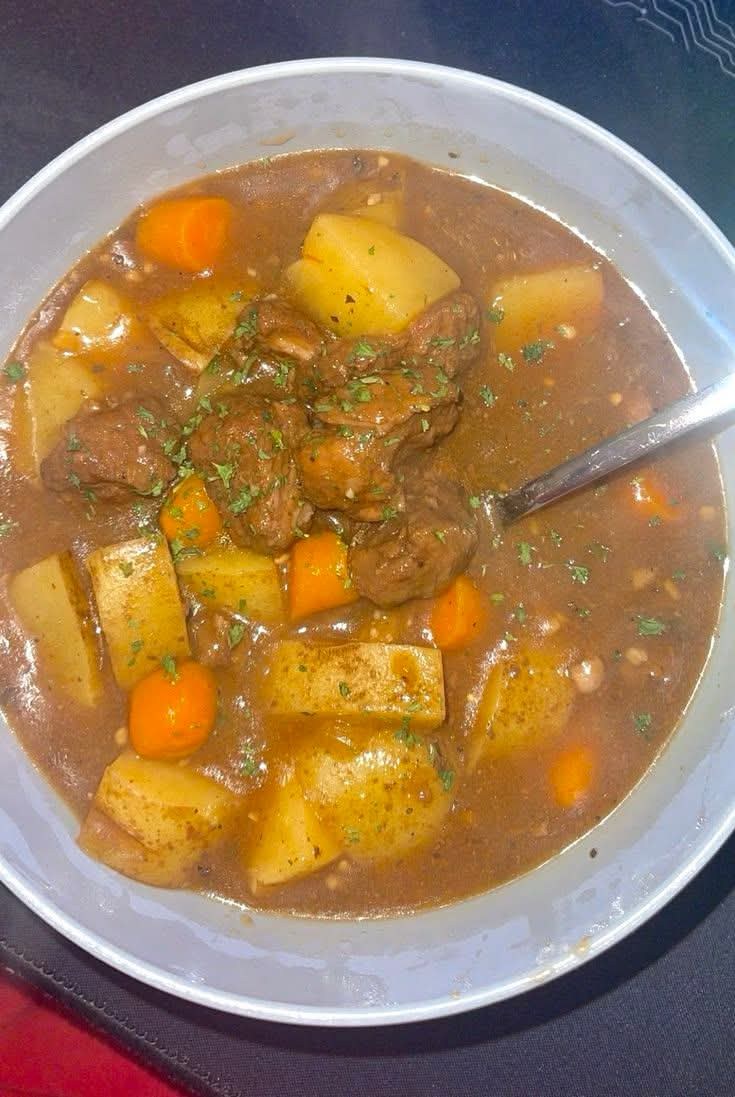
Classic Beef Stew is a timeless comfort food loved by many for its rich flavors and tender meat. This dish features succulent beef chuck simmered slowly with hearty vegetables, creating a warm and satisfying meal that’s perfect for cooler days or casual family dinners.
Ideal for home cooks looking for a straightforward yet deeply flavorful stew, this recipe balances a thick, savory gravy with soft carrots and potatoes. It’s easy to prepare with simple ingredients and requires just a bit of patience to develop those rich, slow-cooked flavors.
Why you’ll love this Classic Beef Stew
- This stew uses affordable beef chuck that becomes wonderfully tender after slow cooking.
- The combination of carrots and potatoes provides a hearty texture and natural sweetness.
- The rich beef broth and tomato paste create a deep, savory base packed with flavor.
- It’s a one-pot recipe that simplifies cleanup while maximizing taste.
- The recipe is flexible and perfect for batch cooking or meal prep for the week.
Ingredients
- 2 lb beef chuck, cut into 1 1/2-inch cubes
- 2 tsp kosher salt
- 1 tsp black pepper
- 3 tbsp all-purpose flour
- 2 tbsp vegetable oil
- 1 large onion, diced
- 3 cloves garlic, minced
- 2 tbsp tomato paste
- 4 cups beef broth
- 1 tbsp Worcestershire sauce
- 1 tsp dried thyme
- 1 bay leaf
- 4 medium carrots, cut into chunks
- 1 1/2 lb Yukon Gold or russet potatoes, cut into large chunks
- 2 tbsp chopped parsley
This recipe serves 6 people and requires about 20 minutes of prep time and 2 hours 20 minutes of cooking time. The key ingredients are beef chuck, which is ideal for slow cooking due to its marbling and flavor, and root vegetables like potatoes and carrots that absorb the stew’s warmth. Choose firm Yukon Gold or russet potatoes for the best texture, and fresh carrots for natural sweetness. The beef broth and tomato paste combine to create a rich, savory sauce that ties everything together beautifully.
Instructions
- Prepare the beef: Pat the beef cubes dry with paper towels, then season them evenly with kosher salt and black pepper. Toss the beef in the all-purpose flour to coat all sides lightly. This helps thicken the stew later.
- Brown the beef: Heat the vegetable oil in a heavy pot or Dutch oven over medium-high heat. In batches, add the floured beef cubes and brown them well on all sides, about 5 minutes per batch. Remove browned beef to a plate and set aside.
- Sauté aromatics: In the same pot, add the diced onion and cook until softened, about 5 minutes. Stir in the minced garlic and tomato paste, cooking for another minute to release their flavors.
- Add liquids and seasonings: Return the browned beef to the pot. Pour in the beef broth, then add Worcestershire sauce, dried thyme, and the bay leaf. Stir to combine and bring the mixture to a gentle simmer.
- Simmer the stew: Cover the pot and reduce heat to low. Let the stew cook for about 1 1/2 hours, stirring occasionally. This slow simmer will tenderize the beef and develop rich flavors.
- Add vegetables: Add the chunked carrots and potatoes to the pot. Continue simmering, covered, for another 35 to 45 minutes until the vegetables are tender and the beef is very soft.
- Final touches: Remove and discard the bay leaf. Taste the stew and adjust seasoning with salt and pepper as needed. If the gravy is too thin, simmer uncovered for a few minutes to thicken.
- Serve: Ladle the stew into bowls and sprinkle with freshly chopped parsley for a bright, fresh finish.
Tips for the best results
- Pat the beef dry before seasoning and flouring to ensure a good brown crust and richer flavor.
- Brown the beef in batches without overcrowding the pot to avoid steaming instead of searing.
- Use a heavy pot or Dutch oven for even heat distribution during slow cooking.
- Simmer gently on low heat to keep the beef tender and prevent the broth from becoming cloudy.
- Add vegetables later in the cooking process so they don’t overcook and become mushy.
- Adjust seasoning at the end since slow cooking concentrates flavors, which may reduce the need for extra salt.
Variations and substitutions
- Use pearl onions instead of diced onion for a sweeter, milder flavor and attractive presentation.
- Replace carrots and potatoes with parsnips or turnips for a different root vegetable twist.
- Swap beef broth for a rich red wine and beef broth combo to add depth and complexity.
- For a thicker stew, stir in a cornstarch slurry at the end instead of relying on flour coating.
- Add mushrooms during the last 30 minutes of cooking for an earthy, savory addition.
Serving suggestions
Classic Beef Stew pairs wonderfully with crusty bread or buttery mashed potatoes to soak up the flavorful gravy. Serve alongside a simple green salad or steamed green beans to balance the richness. This hearty stew also makes a great filling for a pot pie or can be served over buttered egg noodles for a comforting twist.
Storage and reheating
Store leftover beef stew in an airtight container in the refrigerator for up to 3 days. The flavors deepen after resting, making it even more delicious the next day. To reheat, warm gently on the stovetop over low heat, stirring occasionally to prevent sticking. You can also freeze the stew for up to 3 months; thaw overnight in the fridge before reheating.
Frequently asked questions
Can I use a different cut of beef for this stew?
Beef chuck is preferred because it becomes tender and flavorful when slow-cooked. You can use brisket or short ribs as alternatives, but adjust cooking times accordingly to ensure tenderness.
How do I thicken the stew if the broth is too thin?
To thicken the stew, you can simmer it uncovered for a few minutes to reduce the liquid. Alternatively, mix a small amount of flour or cornstarch with cold water and stir it into the stew, cooking until it thickens.
Can I make this stew in a slow cooker?
Yes, after browning the beef and sautéing aromatics, transfer all ingredients to a slow cooker. Cook on low for 6 to 8 hours or on high for 3 to 4 hours, adding vegetables halfway through to prevent overcooking.
What potatoes work best in beef stew?
Yukon Gold and russet potatoes are ideal because they hold their shape well and absorb flavors without disintegrating. Avoid waxy potatoes like red potatoes, which can become too soft.
Is it better to brown the beef before stewing?
Yes, browning the beef first adds depth of flavor through caramelization and improves the stew’s overall richness. Skipping this step can result in a less flavorful and pale stew.
Final thoughts
This Classic Beef Stew recipe is a reliable, delicious way to enjoy a hearty homemade meal that warms both body and soul. With simple ingredients, clear steps, and plenty of room for customization, it’s a dish that every home cook should master. Give it a try today to experience the comforting flavors and tender textures that make beef stew a beloved classic.