
Introduction
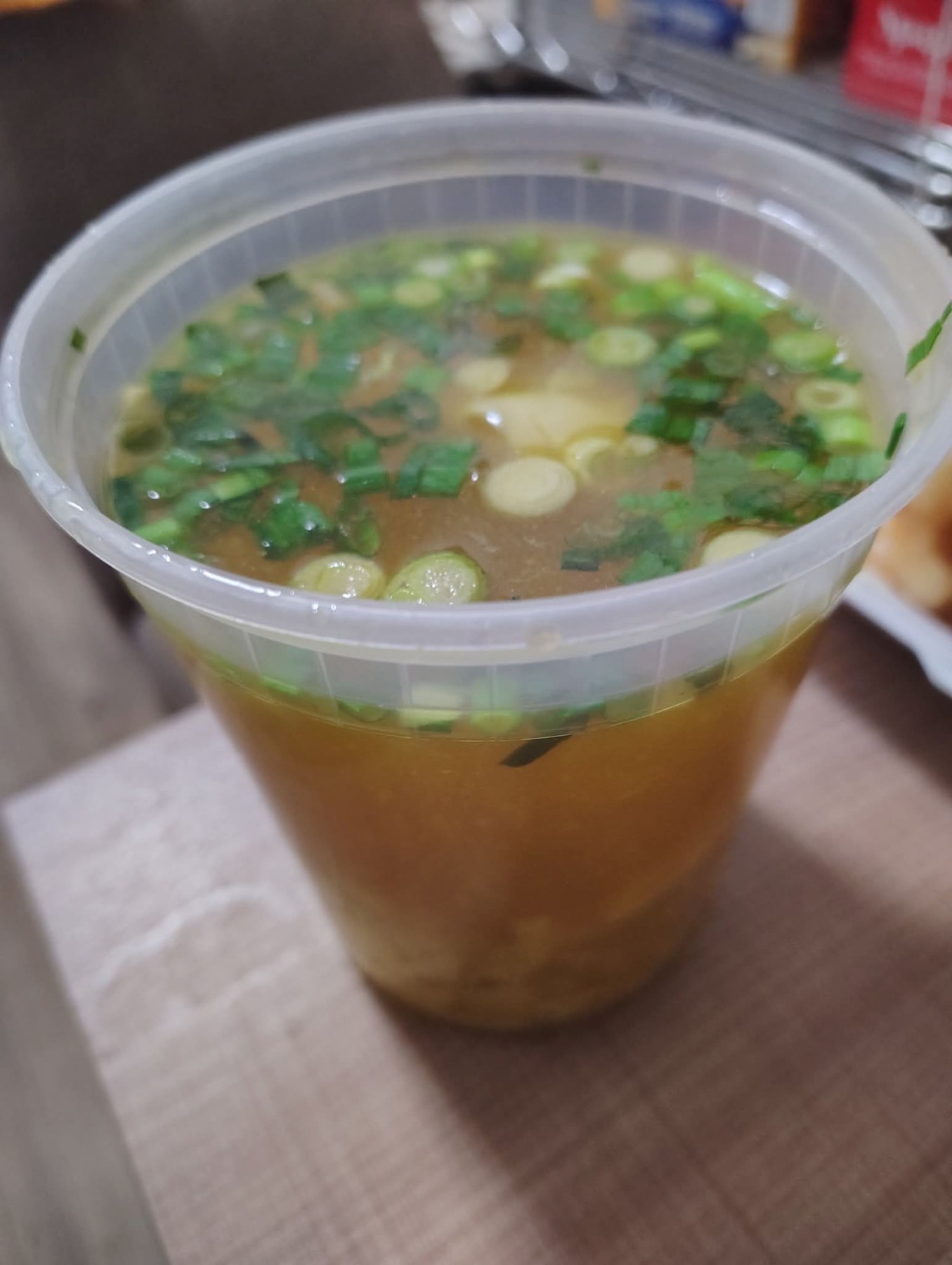
Miso soup is a timeless Japanese dish cherished for its subtle yet deeply satisfying flavors and nourishing qualities. This Miso Soup recipe expertly blends umami-rich dashi broth with silky soft tofu, delicate wakame seaweed, and crisp scallions to create a light but fulfilling soup that suits any occasion, from a simple snack to a refined starter.
Perfect for those seeking a quick, healthy, and authentic appetizer, this recipe requires only 10 minutes of preparation and 5 minutes of cooking. It’s straightforward enough for beginners to master while delivering genuine Japanese taste that will impress anyone familiar with traditional cuisine. Whether you want a comforting bowl on a chilly evening or a flavorful complement to your meal, this miso soup fits the bill.
Why you’ll love this Miso Soup recipe
- It offers a perfectly balanced savory umami flavor that is both mild and comforting, making it appealing to a wide range of palates.
- The quick preparation and short cooking time make it an excellent choice for busy weeknights or last-minute meals.
- Low in calories and light on the stomach, it works wonderfully as a starter or a light snack without feeling heavy or greasy.
- The combination of soft tofu and mineral-rich wakame seaweed provides a nourishing boost of plant-based protein and essential nutrients.
- This soup is highly versatile and can be easily customized with different miso types or additional ingredients to suit your taste preferences.
Ingredients
- 4 cups dashi
- 3 tablespoons white or awase miso paste
- 5 ounces soft tofu, cut into small cubes
- 2 tablespoons dried wakame seaweed
- 2 scallions, thinly sliced
Key ingredients in this recipe include dashi, a traditional Japanese broth made from kombu (kelp) and bonito flakes, which forms a flavorful, umami-rich base. The choice of miso paste is important; white or awase miso provides a mild, slightly sweet flavor that complements the other components without overpowering them. Soft tofu contributes a smooth, silky texture that melts gently in the mouth, while dried wakame seaweed adds a subtle oceanic nuance and valuable minerals. Fresh scallions finish the soup with a crisp and vibrant note. For the best results, use high-quality dashi and fresh miso paste, as these ingredients are essential for achieving an authentic and well-rounded taste.
Instructions
- Simmer the dashi: Pour the 4 cups of dashi into a saucepan and bring it to a gentle simmer over medium heat. Avoid boiling vigorously to preserve the delicate flavors of the broth.
- Soak the wakame: If your wakame seaweed is hard or dry, soak the 2 tablespoons in warm water for 5 minutes to rehydrate. Once softened, drain well to prevent excess water diluting the soup.
- Add tofu and wakame: Gently add the cubed soft tofu and soaked wakame into the simmering dashi. Warm through for 1 to 2 minutes, taking care not to boil vigorously, as this can break apart the tofu and affect texture.
- Dissolve the miso paste: Place the 3 tablespoons of miso paste in a small bowl. Ladle a small amount of hot dashi into the bowl and whisk until the miso is fully smooth and dissolved, ensuring no lumps remain for an even flavor.
- Combine miso with soup: Lower the heat to the lowest setting and stir the dissolved miso mixture back into the saucepan. It’s important not to let the soup boil after adding miso paste, as high heat can alter the delicate taste and reduce its beneficial qualities.
- Serve and garnish: Ladle the soup into bowls or cups and sprinkle the thinly sliced scallions on top. The fresh scallions add a bright, crisp finish that balances the soup’s savory depth.
Tips for the best results
- Use fresh, high-quality dashi: The broth is the foundation of miso soup, so fresh dashi made from real kombu and bonito flakes delivers the richest umami flavor. Instant dashi powders can be convenient but choose premium brands for best taste.
- Avoid boiling after adding miso paste: Boiling degrades the delicate enzymes and flavor compounds in miso, resulting in a flat or bitter taste. Stir in dissolved miso gently over low heat to preserve its nuances.
- Cut tofu into small, uniform cubes: Evenly sized pieces warm consistently and retain their shape better, preventing crumbling in the soup and ensuring a pleasant texture.
- Rehydrate wakame just before use: Soaking wakame right before adding it prevents an overly strong seaweed flavor and ensures it remains tender without becoming slimy or overpowering.
- Adjust miso paste quantity to taste: Miso varies in saltiness and intensity; start with 3 tablespoons but feel free to add more or less based on your preference for salt and umami depth.
- Serve immediately: Miso soup tastes best fresh, as tofu texture and wakame quality decline over time. Serving right away maintains the ideal temperature and texture.
Variations and substitutions
- Vegetarian version: Substitute dashi with a rich vegetable broth or kombu-only dashi to keep the soup vegetarian while maintaining umami.
- Use different miso types: Red or mixed miso can offer a deeper, earthier flavor profile that adds complexity to the soup.
- Add mushrooms: Sliced shiitake or enoki mushrooms provide additional umami and a pleasant chewy texture.
- Include vegetables: Thinly sliced carrots, daikon radish, or spinach can add crunch, color, and extra nutrients.
- Alternative garnishes: Swap scallions for chives, fresh cilantro, or mitsuba for varied fresh herbal notes.
Serving suggestions
Miso soup is traditionally served as a starter in Japanese cuisine, accompanying rice, sashimi, tempura, or grilled fish. It’s also a common component of bento box lunches. Its delicate flavor and lightness make it an excellent palate cleanser and complement to richer dishes. Enjoy it warm as a light snack or as part of a multi-course dinner to enhance the overall meal experience. The subtle umami and fresh garnishes ensure the soup pairs well with a wide variety of Japanese and Asian-inspired dishes without competing for attention.
Storage and reheating
Store any leftover miso soup in an airtight container in the refrigerator for up to 2 days to maintain freshness. When reheating, warm it gently over low heat on the stovetop, stirring occasionally, and avoid boiling to preserve the miso’s delicate flavor and prevent tofu from becoming tough or rubbery. Microwaving is possible but should be done in short intervals to avoid overheating. For the best texture and taste, consume miso soup fresh whenever possible and add tofu or wakame just before serving if preparing in advance.
Frequently asked questions
What is dashi and can I make it at home?
Dashi is a fundamental Japanese broth made by simmering kombu (kelp) and katsuobushi (dried bonito flakes) in water. It provides the essential umami base for many Japanese soups and dishes. You can easily make dashi at home by soaking kombu in water, gently heating it, then adding bonito flakes briefly before straining. Alternatively, instant dashi granules or powder are widely available and offer a convenient shortcut with decent flavor.
Can I use firm tofu instead of soft tofu?
Yes, firm tofu can be used as a substitute; however, it has a denser, chewier texture compared to the smooth, silky mouthfeel of soft or silken tofu. Soft tofu is preferred in miso soup to create a delicate, creamy contrast with the broth, but firm tofu holds up better during cooking without breaking apart, which some may prefer for added texture.
How do I store miso paste?
Miso paste should be stored in an airtight container in the refrigerator to maintain its freshness and prevent spoilage. When kept cold and sealed properly, miso paste can last several months. Always use a clean spoon or utensil to scoop miso to avoid introducing contaminants that could shorten its shelf life or cause mold.
Can miso soup be made in advance?
Miso soup is best enjoyed fresh because the texture of tofu and wakame can deteriorate over time, and the flavor of miso may change. If you need to prepare it ahead, it’s advisable to store the broth separately and add the miso paste, tofu, and wakame just before serving. This approach helps maintain the soup’s optimal taste and texture.
Is miso soup gluten-free?
Traditional miso soup can be gluten-free if prepared with gluten-free miso paste and dashi. However, some commercially available miso pastes contain barley or wheat, which contain gluten. Always check the ingredient labels carefully if you require a gluten-free diet to ensure your miso soup complies with your dietary needs.
Final thoughts
This Miso Soup recipe offers a simple but authentic way to experience the comforting and nuanced flavors of Japanese cuisine in your own kitchen. With minimal ingredients and a quick preparation time, it’s an accessible dish that anyone can master. Whether served as a light starter or a soothing snack, this miso soup brings a harmonious blend of umami, tofu, and seaweed that warms the soul. Try this recipe today and enjoy the delicate balance of flavors in every spoonful.