
Introduction
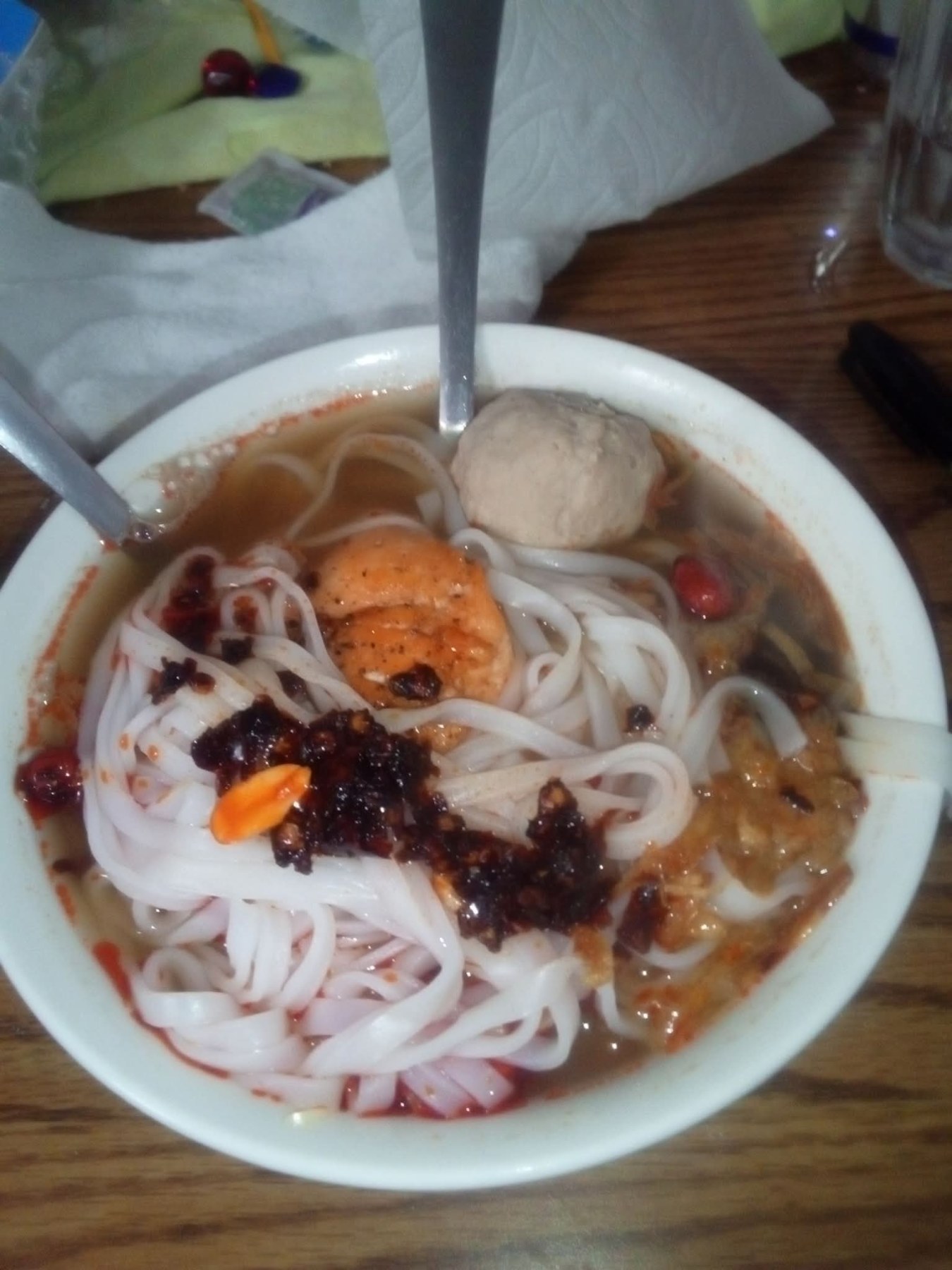
Hủ Tiếu Nam Vang is a beloved Vietnamese noodle soup that combines delicate flat rice noodles with a rich, clear pork and seafood broth. This dish is perfect for anyone who enjoys a comforting, flavorful soup that balances savory, sweet, and spicy notes. With fresh shrimp, pork or fish balls, and a fragrant broth, this recipe brings authentic Vietnamese street food right to your kitchen.
Whether you’re a seasoned fan of Vietnamese cuisine or a curious home cook, this Hủ Tiếu Nam Vang recipe offers a satisfying and relatively simple way to create a restaurant-quality noodle soup. It takes about 20 minutes to prep and around an hour to simmer the broth, resulting in 2 to 3 servings of a hearty, aromatic meal.
Why you’ll love this Hủ Tiếu Nam Vang recipe
- This soup features a clear, flavorful broth that is both light and satisfying.
- The combination of shrimp and pork or fish balls adds a delightful mix of textures and tastes.
- Flat rice noodles provide a smooth, silky base that soaks up the broth wonderfully.
- It’s customizable with fresh vegetables and garnishes to suit your preferences.
- The recipe is straightforward, making it accessible for cooks of all skill levels.
Ingredients
- 400 g flat fresh rice noodles
- 200 g shrimp, peeled and deveined
- 200 g pork balls or fish balls
- 250 g pork bones or 300 g pork shoulder
- 1.5 liters water
- 1 small onion, halved
- 4 cloves garlic, smashed
- 2 tbsp fish sauce
- 1 tbsp soy sauce
- 1 tsp salt
- 1 tsp sugar
- 1/2 tsp white pepper
- 2 tbsp fried garlic or fried shallots
- 2 tbsp chili crisp or chili oil
- 2 scallions, sliced
- 100 g bean sprouts
- Optional: handful garlic chives or lettuce
This recipe relies on key ingredients that define its authentic flavor. The flat fresh rice noodles should be soft yet slightly chewy—choose fresh ones from an Asian market if possible. For the broth, pork bones create a light but rich base, while pork shoulder adds more meatiness if preferred. Fresh shrimp must be peeled and deveined for the best texture, and pork or fish balls add a traditional protein element. Essential seasonings like fish sauce and soy sauce deliver umami depth, while fried garlic and chili crisp provide the finishing savory crunch and heat.
Instructions
- Prepare the broth: Place pork bones or pork shoulder into a large pot with 1.5 liters of water. Add the halved onion and smashed garlic cloves. Simmer gently for 45 to 60 minutes, skimming off any foam or impurities to keep the broth clear.
- Season the broth: Once simmered, add fish sauce, soy sauce, salt, sugar, and white pepper to the broth. Stir well and adjust seasoning to taste.
- Add meatballs: Drop the pork or fish balls into the simmering broth and cook until they are heated through, about 5-7 minutes. If using pork shoulder, slice it thinly for serving instead of cooking whole.
- Poach the shrimp: In the simmering broth, add peeled and deveined shrimp. Cook just until they turn pink and are cooked through, about 2-3 minutes. Remove shrimp promptly to avoid overcooking.
- Prepare noodles and vegetables: Briefly blanch the flat rice noodles in hot water to warm and soften them. Drain and divide noodles evenly among serving bowls. Add fresh bean sprouts and optional garlic chives or lettuce to each bowl.
- Assemble the soup: Arrange shrimp, meatballs, and sliced pork shoulder on top of the noodles and vegetables. Ladle hot broth over everything to fill the bowls.
- Finish with garnishes: Sprinkle fried garlic or fried shallots and sliced scallions over the soup. Add a spoonful of chili crisp or chili oil for a spicy, aromatic kick.
Tips for the best results
- Simmer the broth gently to keep it clear and avoid cloudiness.
- Skim the broth frequently during cooking to remove any scum or fat.
- Use fresh, high-quality shrimp and peel them properly for the best texture.
- Do not overcook shrimp as they become tough and rubbery quickly.
- Blanch noodles just before serving to keep them from becoming mushy.
- Adjust the amount of chili crisp or oil based on your preferred spice level.
Variations and substitutions
- Substitute pork balls with tofu balls for a vegetarian-friendly version.
- Use chicken bones instead of pork bones for a lighter broth.
- Add mushrooms like shiitake or enoki for added umami and texture.
- Replace chili crisp with fresh sliced chili or a squeeze of lime for different flavor profiles.
- Use dried rice noodles soaked in warm water if fresh noodles are unavailable, adjusting blanching time accordingly.
Serving suggestions
Serve Hủ Tiếu Nam Vang hot in deep bowls accompanied by extra chili crisp or chili oil on the side for those who prefer more heat. Offer fresh herbs like cilantro, Thai basil, or lime wedges to brighten the flavors. This soup pairs wonderfully with light Vietnamese appetizers like spring rolls or fresh salad rolls. It’s an ideal comfort food for lunch or dinner that satisfies with its balanced savory broth and fresh toppings.
Storage and reheating
Store any leftover broth separately from the noodles and proteins in airtight containers in the refrigerator for up to 2 days. Noodles and cooked shrimp can become soggy if stored together with broth. Reheat the broth gently on the stove until steaming hot before assembling fresh bowls with noodles, meats, and garnishes. Avoid reheating shrimp for long to maintain tenderness.
Frequently asked questions
What type of noodles are used in Hủ Tiếu Nam Vang?
Flat fresh rice noodles are traditional for this dish. They are soft, slightly chewy, and absorb the broth well. If fresh noodles are unavailable, dried rice noodles can be soaked and briefly boiled as a substitute.
Can I make the broth in advance?
Yes, the pork broth can be prepared a day ahead and refrigerated. This enhances the flavor as the ingredients meld. Reheat gently before adding proteins and assembling the soup.
Is Hủ Tiếu Nam Vang spicy?
The soup itself is mild but served with chili crisp or chili oil on the side, allowing diners to adjust the spice level according to their preference.
What can I use if I don’t find pork balls or fish balls?
You can substitute with small meatballs made from ground pork or chicken, or tofu balls for a vegetarian option. Alternatively, sliced cooked pork shoulder alone works well.
How long should I simmer the broth?
Simmer the pork bones or shoulder for 45 to 60 minutes to extract flavor without developing a cloudy broth. This timing balances richness and clarity.
Final thoughts
Hủ Tiếu Nam Vang is a delightful Vietnamese noodle soup that brings together fresh ingredients and a fragrant broth in perfect harmony. Its balance of textures and flavors makes it a rewarding dish to prepare and enjoy at home. Try this authentic recipe to experience a taste of Vietnam that’s both comforting and vibrant.