
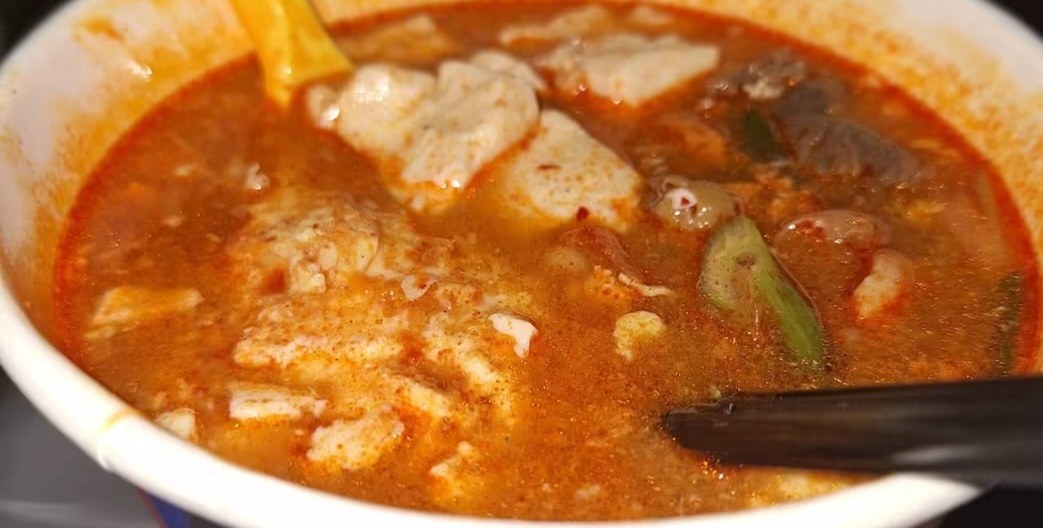
Sundubu-jjigae is a classic Korean spicy soft tofu stew celebrated for its rich, comforting flavors and incredibly silky texture. This dish features delicate Korean soft tofu, known as sundubu, simmered in a deeply flavorful broth alongside your choice of meat or seafood and vibrant seasonings such as gochugaru and garlic. It’s an ideal meal for anyone seeking a warm, hearty, and satisfying dish that is straightforward to prepare.
This recipe yields 2 servings and takes approximately 25 minutes from start to finish, blending simple ingredients with authentic Korean flavors. Whether you are a beginner in Korean cooking or looking for a quick, nourishing weeknight dinner, sundubu-jjigae offers bold, layered taste with minimal effort, making it a beloved staple in Korean cuisine worldwide.
Why you’ll love this Sundubu-jjigae
- The soft tofu provides a luscious, silky texture that melts effortlessly in your mouth, creating a soothing and comforting eating experience.
- The spicy broth masterfully combines gochugaru and optional gochujang, delivering balanced heat that invigorates the palate without overpowering it.
- Using anchovy or chicken stock infuses the stew with deep umami richness, elevating every spoonful with savory complexity.
- This stew is highly versatile, allowing customization with pork, beef, mixed seafood, or vegetarian options to suit any preference or dietary need.
- The quick 25-minute cook time makes it an excellent choice for busy days, offering authentic taste without a long preparation process.
Ingredients
- 1 tube or 14 oz (400 g) Korean soft tofu (sundubu)
- 2 cups anchovy stock or chicken stock
- 4 oz (115 g) pork belly, beef, or mixed seafood
- 1 tablespoon neutral oil
- 1 tablespoon sesame oil
- 1 1/2 tablespoons gochugaru
- 1 tablespoon soy sauce
- 1 teaspoon fish sauce
- 2 cloves garlic, minced
- 1/4 small onion, sliced
- 1 scallion, cut on the bias
- 1 teaspoon gochujang (optional)
- 1 egg (optional)
- Salt to taste
- Black pepper to taste
This recipe requires about 10 minutes of preparation and 15 minutes of cooking, making it a quick yet deeply satisfying meal for two. The key ingredients include Korean soft tofu, prized for its delicate, creamy texture that sets it apart from firmer tofu varieties. Gochugaru, or Korean red chili flakes, provide authentic heat and a vibrant red color essential to the stew’s character. Anchovy or chicken stock builds a savory, umami-rich base that enhances the overall depth of flavor. When selecting tofu, opt for fresh, high-quality sundubu to ensure the best silky texture, and choose a rich, clear stock to complement the complex seasonings in the broth.
Instructions
- Heat oils and cook protein: In a small pot over medium heat, warm the neutral oil and sesame oil. Add your choice of pork belly, beef, or mixed seafood and cook briefly until the meat or seafood just starts to color, releasing its natural flavors without overcooking.
- Add aromatics and spices: Stir in the sliced onion and minced garlic, cooking for about 30 seconds until fragrant and softened. Then add gochugaru and the optional gochujang, stirring constantly to create a vibrant red seasoning base while preventing the chili flakes from burning, which would cause bitterness.
- Add liquids and simmer: Pour in the anchovy or chicken stock along with soy sauce and fish sauce. Bring the mixture to a gentle simmer and allow it to cook for 3 to 4 minutes, enabling the flavors to meld and intensify.
- Incorporate tofu: Add the soft tofu by spoonfuls or in large rustic chunks, avoiding neat cubes to preserve the tofu’s delicate, silky texture and prevent it from breaking apart during cooking.
- Simmer to infuse flavor: Let the stew simmer gently for 5 to 7 minutes until the broth is richly flavored and the tofu is thoroughly heated, allowing the spices and stock to penetrate the tofu.
- Finish with scallions and seasoning: Stir in the scallion slices and season with salt and black pepper according to your taste preferences. If desired, crack in an egg at the end and cook briefly until just set, adding a luscious richness to the stew.
- Serve hot: Serve the sundubu-jjigae piping hot directly from the pot or bowl, ideally accompanied by steamed rice on the side to balance the spicy, savory broth.
Tips for the best results
- Use fresh Korean soft tofu: Fresh sundubu has a delicate, silky texture that dissolves beautifully in the stew. Using older or firmer tofu will alter the mouthfeel and reduce the characteristic creaminess.
- Prevent burning the chili flakes: When adding gochugaru and gochujang, stir constantly over medium heat to release their flavors without scorching. Burnt chili flakes impart bitterness and ruin the stew’s balance.
- Simmer gently: A gentle simmer allows the flavors to meld fully while preserving the tofu’s integrity. Rapid boiling can cause the tofu to break apart and the broth to become cloudy.
- Customize spice level carefully: Adjust the amount of gochugaru and gochujang based on your heat tolerance. Start with less and add more gradually to avoid overwhelming the dish.
- Adding an egg enriches the stew: Cracking an egg in at the end creates a silky, velvety finish that enhances the texture and richness, but it can be omitted for a vegan version.
- Serve immediately: Sundubu-jjigae tastes best hot and fresh. Delayed serving may lead to changes in texture, especially the tofu becoming denser or the broth cooling and losing its vibrant flavor.
Variations and substitutions
- Swap pork belly for chicken or shrimp: For a lighter protein option, use boneless chicken thighs or fresh shrimp, which cook quickly and absorb the spicy broth well.
- Vegetarian version: Use vegetable broth instead of anchovy or chicken stock, and omit meat and fish sauce. Incorporate mushrooms or tofu skin for added texture and umami.
- Add vegetables: Include mushrooms, zucchini, or spinach to boost the vegetable content and add interesting textures and flavors.
- Increase heat: Add fresh chopped chili peppers or a drizzle of chili oil for an extra spicy kick beyond the gochugaru and gochujang.
- Egg-free option: Simply skip the egg for a vegan-friendly stew that still delivers on flavor and richness.
Serving suggestions
Sundubu-jjigae is best enjoyed while steaming hot, served in individual stone or ceramic bowls to retain heat. Pair it with steamed white rice, which helps balance the stew’s spicy intensity and soak up the flavorful broth. Complement the meal with traditional Korean side dishes such as kimchi, pickled radishes, or lightly steamed greens like spinach or bok choy to add freshness and variety. For beverages, a chilled barley tea offers a refreshing contrast, while a light lager beer harmonizes well with the stew’s bold, warming spices.
Storage and reheating
Store any leftover sundubu-jjigae in an airtight container in the refrigerator for up to 2 days. When reheating, gently warm the stew on the stovetop over low heat to preserve the tofu’s delicate texture and prevent it from breaking apart. If the broth has thickened during storage, add a splash of water or stock to loosen it. Avoid reheating in the microwave for extended periods as this can cause the tofu to become rubbery and alter the stew’s texture.
Frequently asked questions
What is sundubu-jjigae?
Sundubu-jjigae is a traditional Korean stew made with uncurdled soft tofu called sundubu, combined with meat or seafood and cooked in a spicy, savory broth seasoned with chili flakes and fermented sauces. It is known for its silky texture, comforting warmth, and bold, layered flavors that make it a beloved dish in Korean households.
Can I make sundubu-jjigae vegetarian?
Absolutely. To prepare a vegetarian version, substitute anchovy or chicken stock with vegetable broth and omit all meat, seafood, and fish sauce. Adding mushrooms, zucchini, or other vegetables can enhance the flavor and texture, creating a hearty and satisfying vegetarian stew without compromising on the traditional spicy taste.
What is the difference between sundubu and regular tofu?
Sundubu is a Korean soft tofu that is unpressed and has a very soft, silky, and almost custard-like texture. Regular tofu, especially firm or extra-firm varieties, is pressed to remove excess water and has a denser, chewier texture. Sundubu’s delicate consistency makes it ideal for stews where it can absorb flavors and provide a smooth mouthfeel.
Is gochujang necessary in sundubu-jjigae?
Gochujang is optional in this recipe. It adds a deep, fermented chili flavor and a subtle sweetness that enriches the broth. However, you can omit it if you prefer a simpler, cleaner spicy flavor derived solely from gochugaru, which gives the stew a vibrant heat without the additional complexity of fermented paste.
How spicy is sundubu-jjigae?
The spice level of sundubu-jjigae varies depending on the amount of gochugaru and gochujang used. Traditionally, it is moderately spicy, providing a warm heat that complements the tofu and broth. You can easily adjust the heat to your liking by using less chili flakes for milder stew or adding more for a fiery kick.
Final thoughts
Sundubu-jjigae is a fantastic dish that brings authentic Korean flavors right into your kitchen with ease and speed. Its unique combination of silky tofu, spicy and savory broth, and tender proteins makes it both comforting and exciting to eat. Whether you’re new to Korean cooking or a seasoned enthusiast, this recipe is sure to become a cherished part of your meal rotation. Give it a try and enjoy the rich, warming flavors of this classic stew.