
Introduction
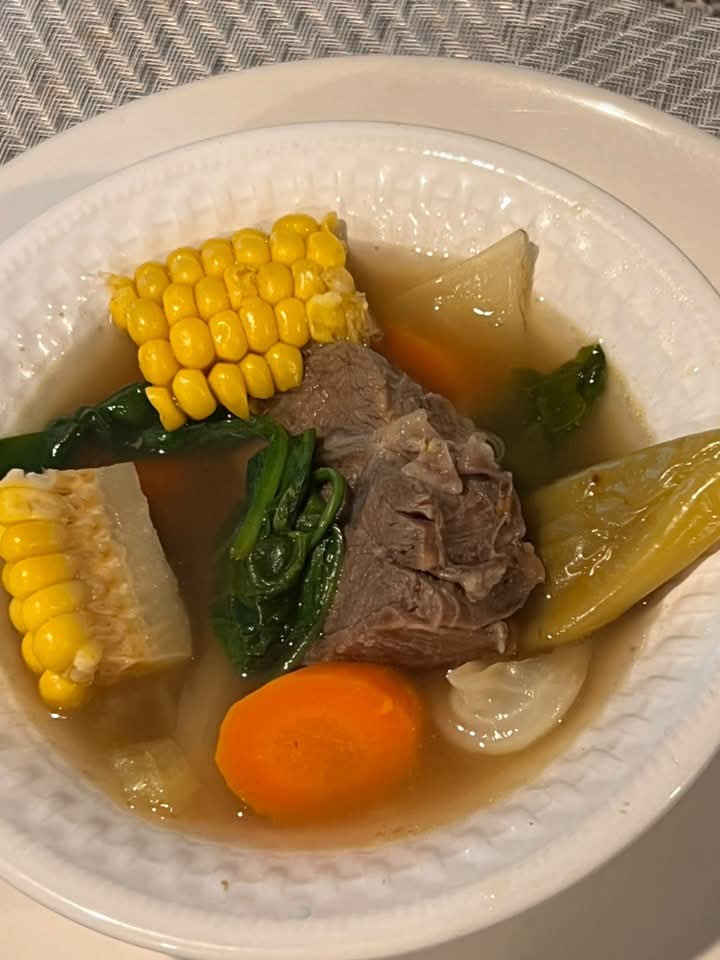
Nilagang Baka Filipino Beef Soup is a beloved classic in Filipino cuisine, celebrated for its clear, flavorful broth and tender chunks of beef simmered alongside fresh garden vegetables. This hearty, comforting soup is a fantastic choice for family meals, offering warmth and nourishment with each spoonful. Whether you are exploring Filipino dishes for the first time or looking to perfect a traditional favorite, Nilagang Baka delivers satisfying flavors with simple, wholesome ingredients.
This recipe requires minimal ingredients and straightforward cooking techniques, making it accessible for cooks of all skill levels. The slow simmering process gently extracts rich flavors from the beef while keeping the broth clear and light. Paired with vegetables like corn, potatoes, carrots, and leafy greens, it becomes a complete meal that’s especially inviting during cooler weather or whenever you crave a soothing bowl of soup.
Why you’ll love this Nilagang Baka Filipino Beef Soup
- This recipe produces a rich yet clear beef broth that is deeply flavorful without heaviness, perfect for a light but satisfying meal.
- The slow simmering of beef shank or brisket results in melt-in-your-mouth tenderness, making every bite comforting and delicious.
- The inclusion of fresh corn, potatoes, and carrots adds natural sweetness and heartiness, balancing the savory broth beautifully.
- Simple seasoning with fish sauce enhances the umami notes subtly without overpowering the freshness of the ingredients.
- Nilagang Baka is a wholesome, all-in-one pot recipe that easily feeds 4 to 6 people, making it ideal for family dinners or meal prepping.
Ingredients
- 2 lb beef shank or brisket, cut into large chunks
- 8 cups water
- 1 large onion, quartered
- 1 tbsp whole peppercorns
- 2 tbsp fish sauce
- 2 ears corn, cut into 2-inch pieces
- 2 medium potatoes, quartered
- 1 large carrot, cut into thick rounds
- 1 small cabbage, cut into wedges, or 1 bunch pechay
- 1 bunch bok choy or similar leafy greens
- Salt to taste
Servings: 4 to 6 servings
Prep Time: 15 minutes
Cook Time: 1 hour 45 minutes
The key ingredients in Nilagang Baka are carefully chosen to bring out the dish’s authentic flavor and texture. Beef shank and brisket are ideal because their connective tissues break down during slow cooking, enriching the broth with gelatin and creating tender meat. Choosing beef with some marbling and bone-in pieces enhances the depth of flavor and the broth’s body. Fresh corn adds a subtle sweetness, while potatoes and carrots contribute heartiness and natural sugars that balance the savory notes. For the greens, cabbage, pechay, or bok choy add a crisp, fresh contrast and vibrant color. Selecting fresh, firm vegetables ensures that they hold their texture and flavor after cooking, elevating the overall experience of this comforting soup.
Instructions
- Boil the beef: Place the beef chunks in a large pot with 8 cups of water and bring to a boil over medium-high heat. Skim off any scum that rises to the surface to keep the broth clear.
- Add aromatics and simmer: Add the quartered onion and whole peppercorns to the pot. Reduce the heat to low and cover. Let it simmer gently for about 1 1/2 to 2 hours until the beef is tender and the broth is flavorful.
- Incorporate fish sauce and vegetables: Stir in 2 tablespoons of fish sauce, then add the corn pieces, quartered potatoes, and thick carrot rounds. Continue simmering for 10 to 15 minutes until the vegetables are nearly tender.
- Add leafy greens: Add the cabbage wedges or pechay along with the bok choy or similar leafy greens. Cook just until the greens are wilted and tender but still vibrant, about 3 to 5 minutes.
- Season and serve: Taste the broth and season with salt or additional fish sauce if needed. Serve the soup hot with generous portions of beef and vegetables in bowls alongside the clear broth.
Tips for the best results
- Choose beef shank or brisket with bones: Bone-in cuts release collagen and marrow during simmering, which enriches the broth with a silky texture and deep flavor. This also helps the meat stay moist and tender.
- Skim scum thoroughly during boiling: Removing impurities as they appear prevents cloudiness and bitterness in the broth, resulting in a clean, bright flavor that highlights the natural ingredients.
- Simmer beef gently on low heat: Slow, gentle cooking breaks down tough connective tissues without toughening the meat, ensuring it becomes tender and easy to shred or bite through.
- Add vegetables in stages: Harder vegetables like corn, potatoes, and carrots need longer cooking, while leafy greens wilt quickly. Adding them at the right time prevents overcooking and maintains their texture and vibrant color.
- Season gradually with fish sauce and salt: Fish sauce provides umami and saltiness, but too much can overpower the fresh flavors. Taste as you go to balance the seasoning perfectly.
- Serve immediately after cooking: Nilagang Baka is best enjoyed fresh to appreciate the tender beef, crisp-tender vegetables, and clear broth. Reheating may soften the vegetables further.
Variations and substitutions
- Use oxtail or beef short ribs: These cuts add a richer, more gelatinous texture and a deeper beef flavor, ideal for those who prefer a heartier broth.
- Swap regular potatoes for sweet potatoes: This adds a subtle sweetness and creamier texture, complementing the savory broth nicely.
- Replace bok choy with kale or spinach: Depending on availability or preference, these greens offer different textures and nutritional profiles while maintaining the leafy component.
- Add saba bananas near the end: A traditional Filipino touch, saba bananas lend a gentle sweetness and unique flavor that pairs well with the savory broth.
- Include green beans or snow peas: For extra crunch and color contrast, these vegetables add freshness and variety to the dish.
Serving suggestions
Nilagang Baka is traditionally served piping hot alongside steamed white rice, which soaks up the flavorful broth and balances the hearty ingredients. A small bowl of dipping fish sauce mixed with calamansi or lemon juice provides a tangy, salty accompaniment that brightens each bite. To add a refreshing contrast, serve with a simple side salad of fresh tomatoes or pickled vegetables such as atchara. This soup also shines as a comforting main course during cooler evenings or special family gatherings, offering both nourishment and a sense of home.
Storage and reheating
Leftover Nilagang Baka keeps well in the refrigerator when stored in an airtight container for up to 3 days. As it rests, the flavors deepen and meld beautifully, making it a great make-ahead meal. When reheating, warm the soup gently over medium heat on the stovetop to avoid toughening the beef. Avoid boiling vigorously to preserve the tender texture. If freezing, omit the leafy greens and add fresh ones when reheating to maintain their color and crispness. Proper storage and reheating ensure you enjoy the soup’s full flavor and texture even after a few days.
Frequently asked questions
What cut of beef is best for Nilagang Baka?
Beef shank or brisket are the preferred cuts because they contain enough connective tissue and fat to break down during slow simmering, resulting in tender meat and a rich, flavorful broth. Bone-in pieces add extra depth from marrow and collagen. Leaner cuts tend to dry out or become tough when cooked this way, so they are less suitable for this recipe.
Can I make Nilagang Baka in a slow cooker?
Yes, a slow cooker is an excellent alternative. Simply place the beef and aromatics in the slow cooker and cook on low for 6 to 8 hours until the meat is tender. Add the vegetables during the last 30 minutes to prevent overcooking. This method requires less active cooking time and still produces tender meat and clear broth, making it convenient for busy schedules.
Is fish sauce necessary in this recipe?
Fish sauce is traditional and adds a distinctive umami depth that enhances the broth’s savory complexity. However, if you prefer or need to avoid it, you can reduce the amount or substitute with soy sauce for a different but still savory flavor. Adjust seasoning carefully to maintain balance without overpowering the fresh ingredients.
How do I keep the broth clear in Nilagang Baka?
To maintain a clear broth, it’s important to skim off any scum or impurities that rise to the surface during the initial boiling stage. Simmering the soup gently on low heat rather than boiling rapidly prevents the broth from becoming cloudy. If desired, you can strain the broth through a fine sieve before serving to ensure clarity and a clean taste.
Can I prepare Nilagang Baka ahead of time?
Absolutely. Nilagang Baka often tastes even better the next day as the flavors meld together. Store the soup refrigerated in an airtight container and reheat gently before serving. To keep the leafy greens fresh and vibrant, add them just before serving or during reheating rather than cooking them with the soup initially.
Final thoughts
Nilagang Baka Filipino Beef Soup is a timeless dish that perfectly balances simplicity with rich, comforting flavors. Its clear broth, tender beef, and fresh vegetables make it a nourishing meal ideal for family dinners or special occasions. The recipe’s straightforward approach encourages home cooks to enjoy authentic Filipino cooking with ease. Give this recipe a try today and experience the warmth and satisfaction of a true Filipino classic.