
Introduction
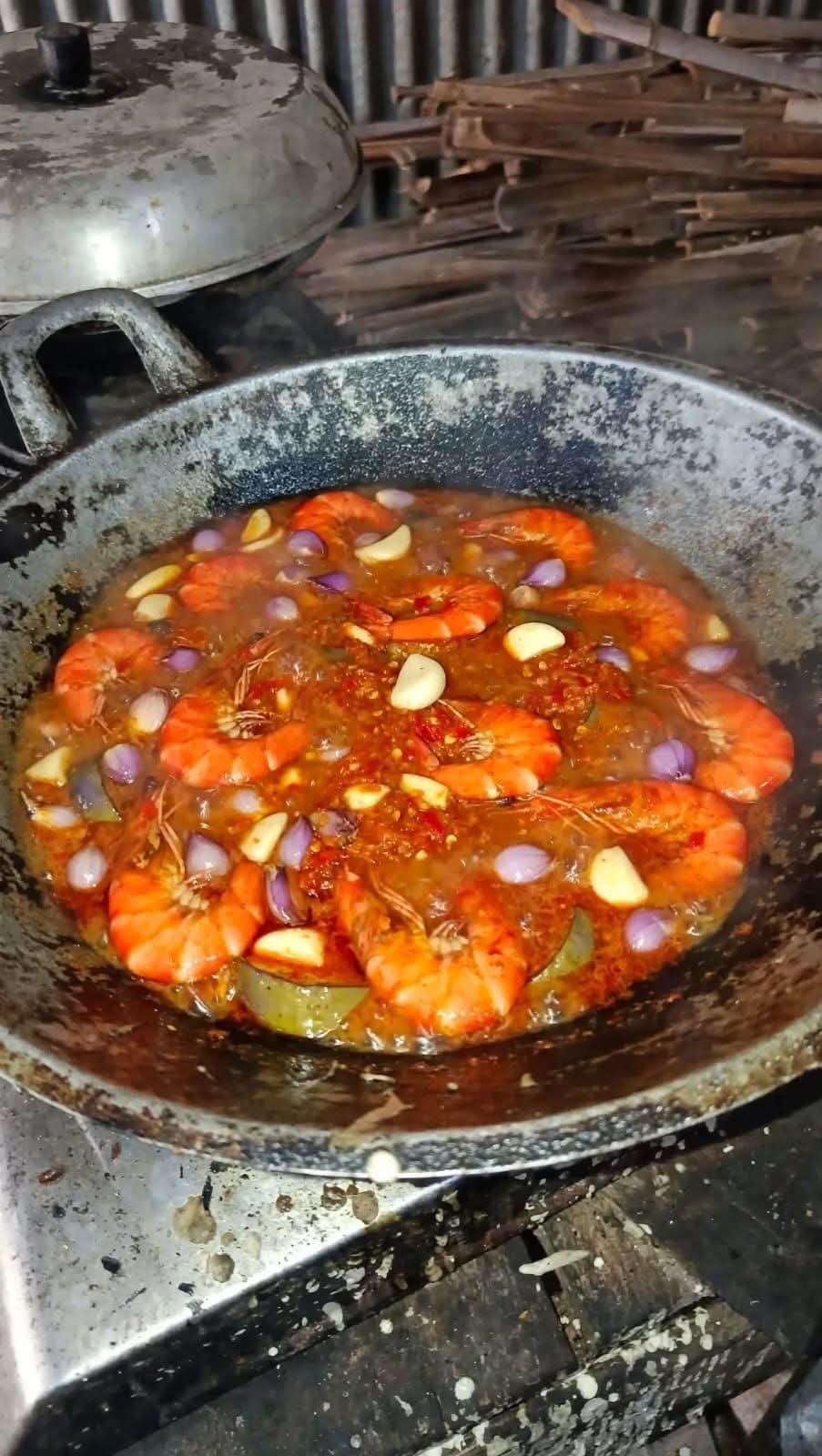
Sambal Udang is a classic Malaysian and Indonesian seafood dish that showcases succulent prawns cooked in a richly spiced sambal sauce made from red chilies, shallots, and tamarind. This dish combines a harmonious balance of heat, sweetness, and tanginess, creating a vibrant flavor profile that seafood lovers will appreciate. Its bold taste and inviting aroma make it a standout choice for those wanting to explore authentic Southeast Asian cuisine at home.
Designed specifically for home cooks seeking an authentic yet straightforward seafood main course, this Sambal Udang recipe requires about 30 minutes from start to finish and serves four people generously. It pairs beautifully with steamed rice, allowing the rich sambal sauce to be fully enjoyed. Whether for a weeknight dinner or a special occasion, this dish delivers a satisfying and exciting meal experience with minimal fuss.
Why you’ll love this Sambal Udang
- It features fresh whole prawns cooked in a rich, aromatic chili paste that delivers bold, authentic Malaysian flavors.
- The balance of tamarind’s tanginess and palm sugar’s sweetness adds a complex depth to the sauce, elevating the dish.
- This recipe is quick and easy, making it perfect for a flavorful weeknight dinner without compromising on taste.
- The spicy sambal sauce can be easily adjusted to your preferred heat level, making it versatile for all spice tolerances.
- It uses simple, fresh ingredients commonly found in Asian kitchens, ensuring authenticity and ease of preparation.
Ingredients
- 700 g medium whole prawns
- 12 dried red chilies, soaked and seeded
- 6 fresh red chilies
- 10 shallots
- 6 cloves garlic
- 1 small onion, sliced
- 2 tbsp tamarind pulp mixed with 120 ml warm water
- 1 tbsp palm sugar or brown sugar
- 1 tsp salt
- 1/2 tsp chicken stock powder, optional
- 120 ml water
- 4 tbsp neutral oil
Preparation and cooking time: 15 minutes prep, 15 minutes cook, serves 4.
The key ingredients for this Sambal Udang are fresh whole prawns and a vibrant chili paste made from a blend of dried and fresh red chilies, shallots, and garlic. When selecting prawns, look for ones that are firm with intact shells as this ensures the best texture and flavor when cooked. The dried chilies are soaked and seeded to soften them and reduce any bitterness, while still retaining their heat and depth of flavor. Tamarind pulp is essential for adding the characteristic tangy note that balances the sweetness of palm sugar and the savory complexity contributed by the optional chicken stock powder. Using fresh ingredients and balancing these flavors carefully is key to an authentic and delicious Sambal Udang.
Instructions
- Prepare the chili paste: Blend the soaked dried chilies, fresh red chilies, shallots, and garlic into a coarse paste. Add a small amount of water if needed to help with blending. This paste forms the flavor base, so ensure it is well combined but not overly smooth to retain texture.
- Cook the chili paste: Heat the neutral oil in a wok over medium heat. Fry the chili paste, stirring frequently, until it becomes fragrant, darkens in color, and the oil begins to separate from the paste, about 8 to 10 minutes. This slow cooking step deepens the flavors and mellows the raw sharpness of the ingredients.
- Add the onion: Stir in the sliced onion and cook until softened, enhancing the sambal’s texture and sweetness. The onions add body and natural sweetness that balances the heat.
- Simmer the sauce: Pour in the tamarind water mixture, then add the palm sugar, salt, and optional chicken stock powder. Simmer gently for 2 to 3 minutes to meld the flavors. This step allows the sour, sweet, and salty elements to harmonize.
- Cook the prawns: Add the whole prawns to the wok and toss well in the sauce. Cook until the prawns turn bright orange and are just cooked through, about 3 to 5 minutes. Avoid overcooking to maintain a tender, juicy texture.
- Adjust consistency: If the sambal is too thick, add a little water to loosen the sauce. Simmer briefly until the sauce is glossy and coats the prawns well, ensuring every bite is flavorful.
- Final seasoning: Taste the sambal and adjust salt, sweetness, or sourness to your preference. Serve hot with steamed rice for an authentic meal experience.
Tips for the best results
- Use fresh, high-quality prawns: Fresh prawns provide the best texture and flavor. Avoid frozen if possible, but if using frozen, thaw completely and pat dry to prevent excess moisture diluting the sauce.
- Soak dried chilies thoroughly: Soaking softens the chilies, which helps create a smoother paste and prevents any bitter or harsh flavors from raw dried chilies.
- Cook the chili paste slowly until oil separates: This technique is essential to develop deep, rich flavors and mellow the sharpness of raw chilies and shallots, giving the sambal its signature aroma.
- Adjust fresh chilies to control heat: The amount of fresh chilies can be increased or decreased depending on your spice tolerance, allowing you to customize the dish’s heat level.
- Don’t overcook the prawns: Prawns only need a few minutes to cook; overcooking makes them rubbery and less enjoyable.
- Stir frequently while frying the chili paste: Frequent stirring prevents the paste from sticking or burning, ensuring even cooking and consistent flavor development.
Variations and substitutions
- Substitute prawns with shrimp or small lobster tails: These alternatives provide a different seafood experience while maintaining the essence of the dish.
- Use fresh tomatoes or sliced onions in the sauce: Adding these ingredients introduces natural sweetness and a slight tang, enriching the sauce’s texture and flavor complexity.
- Replace palm sugar with brown sugar or jaggery: These substitutes offer a similar caramel-like sweetness but may impart slightly different flavor notes.
- Make it vegetarian: Use fried tofu or tempeh instead of prawns, and substitute chicken stock powder with vegetable stock powder to keep it plant-based while retaining umami.
- Add a squeeze of lime juice at the end: This adds an extra burst of brightness and acidity, enhancing the overall flavor balance.
Serving suggestions
Sambal Udang is traditionally served hot with steamed jasmine or basmati rice, which acts as the perfect neutral base to soak up the richly flavored sambal sauce. For a well-rounded meal, pair it with simple stir-fried greens such as bok choy or kangkong, which add freshness and crunch to complement the spicy prawns. A crisp cucumber salad with a light vinegar dressing can also provide a refreshing contrast to the heat. For a more elaborate Southeast Asian feast, serve alongside coconut milk rice or warm roti bread, which adds a creamy or chewy texture to the meal, enhancing the dining experience.
Storage and reheating
Store any leftover Sambal Udang in an airtight container in the refrigerator for up to two days to maintain its freshness. When reheating, use a gentle low heat in a pan to warm the dish slowly, preventing the prawns from becoming tough or rubbery. Avoid reheating in the microwave, as it can unevenly cook the prawns and dry out the sauce. If the sambal sauce thickens after refrigeration, add a splash of water or broth when reheating to restore a smooth, glossy consistency that coats the prawns beautifully.
Frequently asked questions
Can I use frozen prawns for Sambal Udang?
Yes, frozen prawns can be used when fresh prawns are unavailable. It’s important to thaw them thoroughly and pat them dry before cooking. Excess moisture from frozen prawns can dilute the sauce, so drying them helps maintain the recipe’s rich flavor and proper sauce consistency.
How spicy is Sambal Udang?
The spice level of Sambal Udang largely depends on the amount and type of chilies used in the chili paste. This recipe balances heat with sweetness from palm sugar and the tanginess of tamarind, making it flavorful but not overwhelmingly hot. You can adjust the number of fresh red chilies to make the dish milder or spicier according to your personal preference.
What can I substitute for tamarind pulp?
If tamarind pulp is not available, a common substitute is a mixture of fresh lime or lemon juice combined with a little brown sugar to replicate the sour-sweet flavor profile. However, tamarind has a unique depth and fruity acidity that is difficult to duplicate exactly, so using tamarind pulp is recommended for authentic taste.
Is Sambal Udang gluten-free?
Yes, Sambal Udang is naturally gluten-free provided you use gluten-free chicken stock powder or omit it altogether. Always check the labels on seasonings and stock powders to ensure they do not contain hidden gluten ingredients, especially if you have gluten intolerance or celiac disease.
Can I prepare the chili paste in advance?
Absolutely. Preparing the chili paste ahead of time can save you effort on the day you cook. Store it in an airtight container in the refrigerator for up to two days or freeze it for longer storage. This allows you to quickly assemble the dish and enjoy fresh flavors without the prep work on busy days.
Final thoughts
Sambal Udang is a vibrant and aromatic dish that brings the bold, authentic flavors of Southeast Asia right into your kitchen with minimal effort. The interplay of spicy, tangy, and sweet elements creates a truly memorable seafood dish that can easily become a family favorite. Whether you’re new to Malaysian cooking or an experienced home chef, this recipe is a fantastic way to enjoy a delicious, satisfying meal. Give it a try and impress your family and friends with this flavorful, easy-to-make prawn dish.