
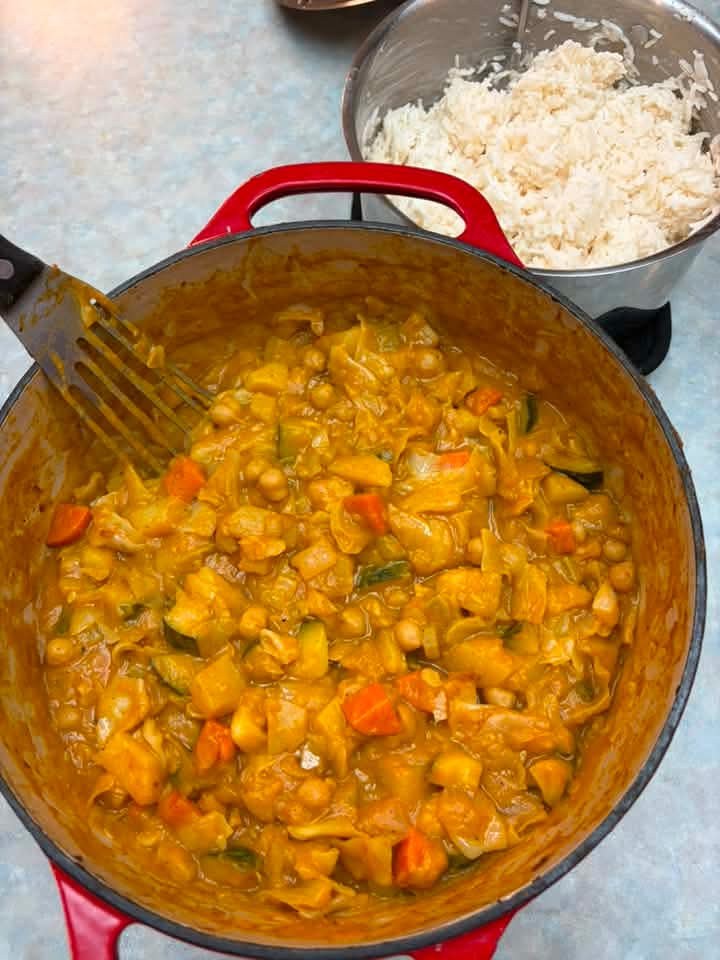
Vegetable Chickpea Curry with Rice is a wholesome, vibrant dish that combines tender vegetables and protein-rich chickpeas in a fragrant, spiced coconut curry. This recipe is perfect for anyone seeking a satisfying vegetarian meal that’s both nutritious and bursting with flavor. Whether you’re cooking for a family or meal prepping for the week, this curry offers comforting warmth and colorful variety in every bite.
With just 15 minutes of prep and about 30 minutes of cooking, this recipe is straightforward enough for busy weeknights yet impressive enough to serve guests. The use of common pantry spices alongside fresh vegetables and creamy coconut milk makes it a versatile and reliable choice for plant-based meals that don’t compromise on taste or texture.
Why you’ll love this Vegetable Chickpea Curry with Rice
- This curry is packed with fiber and plant-based protein, making it a filling and nutritious meal.
- The combination of spices creates a rich, aromatic flavor profile that’s both warming and comforting.
- It’s easy to prepare with simple ingredients you likely already have in your pantry and fridge.
- The recipe is naturally vegetarian and can be made vegan by using vegetable stock instead of coconut milk.
- Serving it with fluffy white rice ensures a balanced dish with satisfying textures and tastes.
Ingredients
- 2 tbsp vegetable oil
- 1 large onion, diced
- 3 cloves garlic, minced
- 1 tbsp grated ginger
- 2 tbsp curry powder
- 1 tsp ground turmeric
- 1 tsp ground cumin
- 1/2 tsp paprika or chili powder
- 2 tbsp tomato paste
- 1 can (14 oz/400 g) chickpeas, drained
- 2 medium carrots, peeled and chopped
- 1 medium zucchini, chopped
- 3 cups chopped green cabbage
- 1 can (14 oz/400 ml) coconut milk or 1 1/2 cups vegetable stock
- 1 cup water, as needed
- 1 tsp salt, plus more to taste
- 1/2 tsp black pepper
- 1 tbsp lemon juice
- 2 cups long-grain white rice
- 3 cups water
- 1/2 tsp salt for the rice
This recipe yields 4-6 servings and requires about 15 minutes of prep and 30 minutes of cooking time. The star ingredients include chickpeas, fresh vegetables like carrots, zucchini, and cabbage, and a blend of warming curry spices. When selecting chickpeas, canned ones are convenient and flavorful, but you can also use soaked and cooked dried chickpeas for a firmer texture. Choose fresh, firm vegetables for the best taste and texture, and opt for full-fat coconut milk to add creaminess to the curry.
Instructions
- Prepare the rice: Rinse the rice under cold water until the water runs mostly clear to remove excess starch. Combine the rice, 3 cups of water, and 1/2 teaspoon salt in a pot. Bring to a boil, then cover and reduce the heat to low. Cook for 15-18 minutes until the water is absorbed. Remove from heat and let it stand, covered, for 10 minutes before fluffing with a fork.
- Sauté the aromatics: While the rice cooks, heat 2 tablespoons of vegetable oil in a large pot or Dutch oven over medium heat. Add the diced onion and cook until softened and translucent, about 5 minutes.
- Add garlic and ginger: Stir in the minced garlic and grated ginger, cooking for about 30 seconds until fragrant but not browned.
- Toast the spices: Add the curry powder, ground turmeric, ground cumin, and paprika or chili powder. Cook briefly, stirring constantly, until the spices release their aroma, about 1 minute.
- Incorporate tomato paste and vegetables: Mix in the tomato paste, then add the chopped carrots, zucchini, cabbage, and drained chickpeas. Stir well to coat everything evenly with the spice mixture.
- Add liquids and simmer: Pour in the coconut milk and about 1 cup of water or vegetable stock. Bring the mixture to a gentle simmer.
- Cook the curry: Partially cover the pot and let the curry cook for 20-25 minutes, stirring occasionally. Cook until the carrots are tender and the cabbage has softened. Add a splash more water if the curry becomes too thick during cooking.
- Season and finish: Stir in 1 teaspoon salt, 1/2 teaspoon black pepper, and 1 tablespoon lemon juice. Taste and adjust seasoning as needed.
- Serve: Ladle the hot vegetable chickpea curry alongside or over the fluffy white rice for a complete meal.
Tips for the best results
- Rinse the rice thoroughly to prevent it from becoming sticky and clumping together.
- Cook the onions slowly over medium heat to develop sweetness without burning.
- Toast the spices just until fragrant to avoid bitterness and maximize flavor.
- Add liquids gradually and adjust the consistency by adding water as needed during simmering.
- Use fresh ginger and garlic for the most vibrant aroma and taste.
- Let the curry rest for a few minutes off the heat to deepen the flavors before serving.
Variations and substitutions
- Swap chickpeas for lentils or white beans for a different texture and protein source.
- Add other vegetables like bell peppers, spinach, or sweet potatoes to increase variety and nutrients.
- Use vegetable broth instead of coconut milk for a lighter curry with less creaminess.
- Adjust the heat by increasing or reducing the amount of chili powder or adding fresh chili peppers.
- Serve with brown rice, quinoa, or cauliflower rice as a gluten-free or whole-grain alternative.
Serving suggestions
This Vegetable Chickpea Curry pairs beautifully with fluffy long-grain white rice, which soaks up the rich sauce perfectly. For a complete meal, serve it with a side of warm naan bread or steamed greens. A simple cucumber raita or a fresh salad with lemon dressing can add a refreshing contrast to the warm, spiced curry. Garnish with fresh cilantro or chopped green onions to brighten the flavors and add a pop of color.
Storage and reheating
Store leftover vegetable chickpea curry in an airtight container in the refrigerator for up to 3 days. The flavors often deepen over time, making leftovers even more delicious. To reheat, warm the curry gently on the stove over low heat, adding a splash of water or stock if it has thickened too much. Reheat rice separately in the microwave or on the stove with a sprinkle of water to restore fluffiness.
Frequently asked questions
Can I make this curry vegan?
Yes, this recipe is naturally vegan when using vegetable stock or coconut milk. Just ensure your curry powder and other ingredients do not contain any animal-derived additives. It’s a perfect plant-based meal option.
What can I use instead of coconut milk?
If you prefer a lighter curry, substitute coconut milk with vegetable stock or water. Keep in mind that this will reduce the creamy texture and rich flavor, so you might want to add a bit of cashew cream or yogurt (dairy or plant-based) for creaminess.
Is it necessary to soak chickpeas before cooking?
This recipe uses canned chickpeas, which are already cooked and ready to use. If you prefer dried chickpeas, soak them overnight and cook thoroughly before adding to the curry. This can enhance texture and reduce sodium.
How spicy is this curry?
The curry has a mild to moderate heat level thanks to the paprika or chili powder. You can adjust the spice by increasing or decreasing the chili powder or adding fresh chili peppers based on your taste preferences.
Can I freeze leftover curry?
Yes, vegetable chickpea curry freezes well. Store cooled curry in airtight containers or freezer bags and freeze for up to 3 months. Thaw overnight in the refrigerator and reheat gently on the stove.
Final thoughts
Vegetable Chickpea Curry with Rice is a flavorful, nourishing dish that’s easy to make and sure to please any crowd. Its blend of spices, creamy coconut milk, and fresh vegetables creates a comforting meal perfect for any day of the week. Give this recipe a try and enjoy a wholesome, delicious curry that brings warmth and satisfaction to your table.