
Introduction
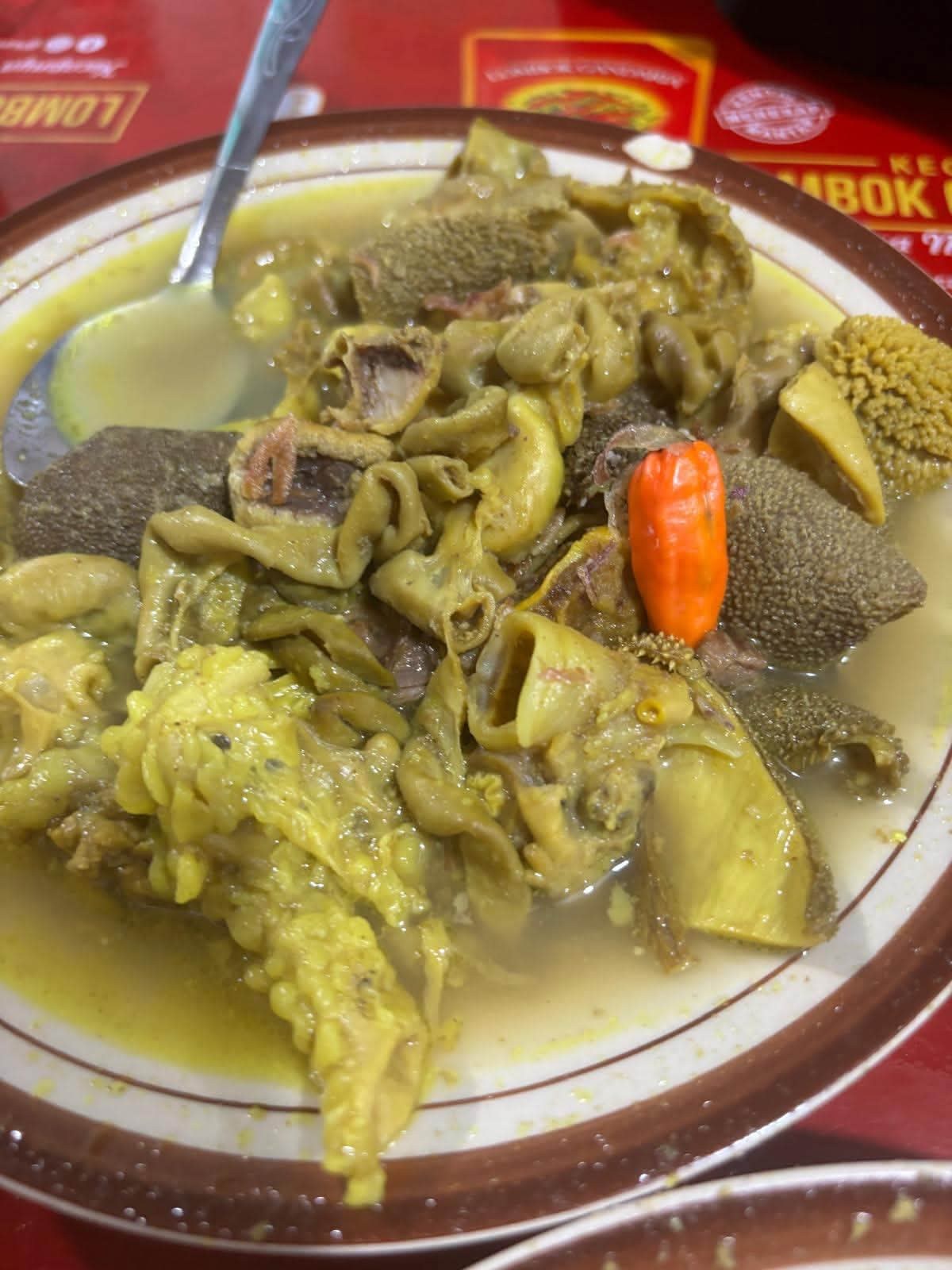
Soto Babat is a classic Indonesian beef tripe soup that captivates with its rich, aromatic broth and tender pieces of offal. This traditional dish masterfully combines beef tripe, intestines, and optional beef lung with a fragrant blend of spices, creating a deeply satisfying soup that is both hearty and comforting. Soto Babat is cherished in Indonesian households and is perfect for those who appreciate unique, flavorful soups with complex textures.
Designed for adventurous home cooks and lovers of authentic Southeast Asian cuisine, this Soto Babat recipe takes about 2 hours and 55 minutes total, including preparation and cooking time, and serves 4 to 6 people. The slow simmering process tenderizes the offal and allows the spices to fully infuse the broth, resulting in a vibrant yellow soup that is both nourishing and deeply flavorful. Whether for a family meal or a special occasion, this dish delivers a memorable taste of Indonesia.
Why you’ll love this Soto Babat recipe
- The soup offers a rich, savory flavor profile with aromatic spices like turmeric and galangal that create a warm and inviting broth.
- Using a combination of beef tripe, intestines, and optional offal provides a satisfying variety of textures and layers of taste.
- The broth is naturally vibrant and nourishing without being heavy or greasy, making it a balanced and wholesome meal.
- This recipe is versatile, allowing you to customize with optional coconut milk or sambal chili paste for creaminess or added heat.
- The straightforward steps make it easy to recreate authentic Indonesian flavors in your own kitchen without requiring exotic equipment.
Ingredients
- 750 g mixed beef tripe and intestine
- 250 g beef lung or other optional beef offal
- 2 L water
- 500 ml beef stock
- 3 stalks lemongrass, bruised
- 4 kaffir lime leaves
- 2 bay leaves
- 4 cm fresh ginger
- 4 cm galangal
- 1 tbsp ground turmeric or 3 cm fresh turmeric
- 8 shallots
- 6 cloves garlic
- 1 tsp coriander powder
- 1/2 tsp cumin
- 1 tsp white pepper
- 2 tsp salt, plus more to taste
- 1 tsp sugar
- 2 tbsp cooking oil
- 2 spring onions, sliced
- 2 tbsp fried shallots
- 4 small red bird’s eye chilies
- lime wedges, for serving
The key to a successful Soto Babat lies in selecting fresh, quality ingredients. When choosing the beef tripe and intestines, opt for pieces that are clean, firm, and free from unpleasant odors, as freshness greatly influences both texture and flavor. Fresh turmeric and galangal are essential for imparting the soup’s characteristic earthy and citrusy notes; if fresh is unavailable, good quality ground turmeric can be used, but fresh will provide superior aroma and color. Similarly, bruised lemongrass stalks and kaffir lime leaves add bright, fragrant layers to the broth. Using homemade or a high-quality beef stock will deepen the soup’s richness, balancing the spices and offal perfectly.
Instructions
- Clean the offal: Thoroughly wash the beef tripe and intestines under cold running water. Blanch them in boiling water for 10 minutes to remove impurities and odors, then drain, rinse, and scrub the surfaces carefully to ensure cleanliness and freshness.
- Simmer until tender: Transfer the cleaned tripe, intestines, and optional beef lung into fresh water and gently simmer for 1.5 to 2 hours. This slow cooking tenderizes the offal, making it soft but still with a pleasant bite. Once tender, remove from heat, let cool slightly, then cut into bite-sized pieces for easy eating.
- Prepare the spice paste: Blend or pound together the shallots, garlic, turmeric (fresh or ground), coriander powder, cumin, white pepper, fresh ginger, and galangal until you have a smooth, fragrant paste. This paste forms the aromatic base of your soup.
- Sauté the paste: Heat the cooking oil in a large pot over medium heat, then add the spice paste. Sauté for 3 to 5 minutes until the paste becomes fragrant and slightly caramelized, which enhances the depth of flavor. Next, add the bruised lemongrass stalks, kaffir lime leaves, and bay leaves, stirring to combine and release their aromas.
- Add liquids and offal: Pour in the beef stock and 2 liters of water, then add the sliced offal pieces back into the pot. Bring the mixture to a boil, then reduce the heat to a gentle simmer. Let it cook uncovered for 20 to 30 minutes to allow the flavors to meld and the broth to develop its signature richness.
- Season the broth: Add salt and sugar, adjusting gradually to taste. The goal is a savory broth with a balanced hint of sweetness and a warm yellow hue from the turmeric. Taste frequently to ensure the seasoning is just right.
- Serve: Ladle the hot soup into individual bowls. Garnish with freshly sliced spring onions and crispy fried shallots for texture contrast. Serve bird’s eye chilies and lime wedges on the side or add directly for those who prefer extra heat and brightness.
Tips for the best results
- Clean the offal thoroughly: Proper cleaning is essential to remove any residual odors or impurities, which can otherwise impart off-flavors. Blanching and scrubbing help ensure the tripe and intestines taste fresh and pure.
- Simmer gently and patiently: Cooking the offal slowly over low heat prevents it from becoming tough or rubbery, resulting in a tender yet firm texture that is pleasant to bite into.
- Use fresh turmeric and galangal when possible: Fresh roots provide a more vibrant color and a brighter, earthier flavor than dried or powdered versions, elevating the soup’s authenticity.
- Adjust seasoning gradually: The broth’s flavor intensifies as it simmers, so add salt and sugar in small increments, tasting as you go, to avoid over-seasoning.
- Fry the spice paste carefully: Cooking the paste until aromatic but not burnt is crucial; burnt spices can introduce bitterness that masks the soup’s delicate balance.
- Control chili heat to your liking: Adding bird’s eye chilies gradually allows you to customize the soup’s spiciness, making it accessible for all palates.
Variations and substitutions
- Add coconut milk: Incorporate coconut milk for a richer, creamier broth variation commonly found in certain Indonesian regions, which softens the spices and adds a luscious mouthfeel.
- Substitute offal types: Replace beef lung with beef heart or tongue if preferred or if certain offal are unavailable; these options offer slightly different textures but maintain richness.
- Include boiled eggs or potatoes: Adding hard-boiled eggs or tender boiled potatoes introduces additional texture and substance, making the soup even more filling.
- Use chicken stock: For a lighter broth, substitute the beef stock with chicken stock, which will mellow the flavor and suit those who prefer a less intense meat base.
- Serve with rice or rice cakes: Pair the soup with steamed white rice or lontong (compressed rice cakes) to turn it into a complete, satisfying meal.
Serving suggestions
Soto Babat is best enjoyed piping hot and traditionally served with steamed white rice or lontong, which complements the richly spiced broth and tender offal. For those who appreciate a spicy kick, a side of sambal chili paste is perfect to customize the heat level. Fresh lime wedges add a zesty brightness that cuts through the richness and balances the flavors beautifully. Garnishing with fresh cilantro or a sprinkle of fried shallots provides additional fragrance and a satisfying crunch, enhancing the overall eating experience. This combination of flavors and textures makes each spoonful exciting and deeply comforting.
Storage and reheating
Leftover Soto Babat can be stored in an airtight container in the refrigerator for up to 2 days. The resting period allows the flavors to deepen and meld further, often improving the taste. When reheating, warm the soup gently on the stovetop over low heat to preserve the tender texture of the offal and prevent it from becoming tough. Avoid reheating in the microwave at high power, as this can cause uneven heating and negatively affect the soup’s texture and flavor. If the broth thickens too much after refrigeration, add a splash of water or stock to loosen it before reheating.
Frequently asked questions
What is Soto Babat?
Soto Babat is a traditional Indonesian soup made with beef tripe, intestines, and sometimes other offal, simmered in a spiced broth infused with turmeric and aromatic herbs. It is known for its hearty texture and vibrant, savory flavors, representing a popular comfort food in Indonesian cuisine.
How do I clean beef tripe and intestines properly?
Proper cleaning involves rinsing the tripe and intestines thoroughly under cold running water, then blanching them in boiling water for about 10 minutes to loosen impurities. After blanching, scrub the surfaces carefully to remove any remaining residue or odors. This process is essential to ensure the final dish has a clean, fresh flavor without any unpleasant smells.
Can I use a pressure cooker to reduce cooking time?
Yes, a pressure cooker can significantly shorten the cooking time for the offal, typically reducing it to around 30 to 40 minutes. However, it’s important to monitor the texture closely, as overcooking in a pressure cooker can make the tripe and intestines rubbery. Using the pressure cooker saves time while still achieving tender results.
Is it necessary to use beef lung or offal?
Including beef lung or other offal is optional but adds additional layers of texture and flavor complexity to the soup. If you prefer, you can omit these ingredients and focus solely on the tripe and intestines without compromising the overall character of the dish.
What can I serve with Soto Babat?
Soto Babat pairs excellently with steamed white rice or lontong (compressed rice cakes), which help soak up the flavorful broth. Fresh lime wedges add a tangy brightness that balances the rich soup, while fried shallots provide a crunchy texture contrast. A side of sambal chili paste is a popular accompaniment for those who enjoy extra heat and depth.
Final thoughts
Soto Babat is a remarkable dish that brings the warmth and complexity of Indonesian cuisine into your home kitchen. Its tender beef offal combined with a fragrant, spiced broth creates a meal that is both comforting and exciting to the palate. This recipe’s authentic flavors and satisfying textures make it perfect for those seeking a hearty, traditional soup. Try making Soto Babat to experience a truly memorable taste of Indonesia’s culinary heritage.