
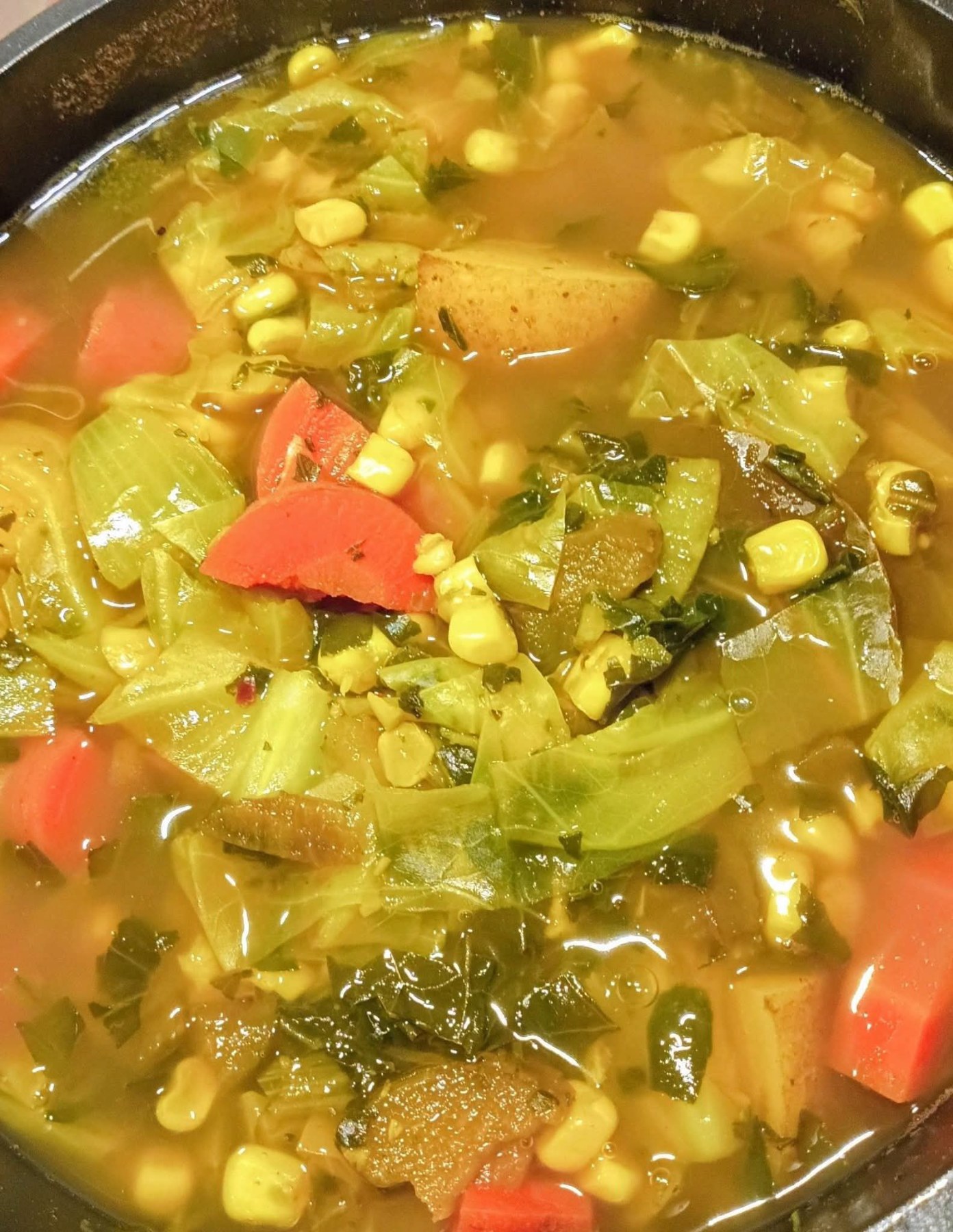
Cabbage Vegetable Soup is a delicious and nourishing soup perfect for anyone looking for a wholesome, vegetable-packed meal. This easy recipe brings together fresh cabbage, corn, red bell pepper, and leafy greens in a flavorful vegetable broth that warms the soul. Whether you’re a seasoned home cook or new to making soups, this dish works wonderfully as a light lunch, a comforting dinner, or a meal prep favorite.
Ready in just under an hour, including prep and cooking time, this soup is ideal for busy days when you want a quick yet satisfying dish. The natural sweetness of the vegetables combined with herbs creates a balanced flavor profile that appeals to all ages. Plus, it’s vegetarian and adaptable to many dietary preferences, making it an excellent choice for anyone seeking a tasty, healthful homemade soup.
Why you’ll love this Cabbage Vegetable Soup
- This soup is packed with a variety of fresh vegetables, making it rich in flavor and texture.
- It’s a simple recipe that requires minimal prep and cooks in under 40 minutes.
- The use of vegetable broth and herbs provides a comforting and aromatic base without heaviness.
- It’s versatile and can be easily customized with different greens or spices.
- The soup is naturally low in calories yet filling, making it perfect for a light, healthy meal.
Ingredients
- 2 tablespoons olive oil
- 1 medium onion, diced
- 2 celery stalks, diced
- 2 cloves garlic, minced
- 4 cups green cabbage, chopped
- 1 medium red bell pepper, chopped
- 1 medium potato, peeled and diced
- 1 1/2 cups corn kernels
- 1 cup chopped leafy greens such as collards or kale
- 6 cups vegetable broth
- 1 teaspoon salt, plus more to taste
- 1/2 teaspoon black pepper
- 1/2 teaspoon dried thyme
- 1 bay leaf
- 1 tablespoon chopped parsley
Servings: 4 to 6 | Prep Time: 15 minutes | Cook Time: 35 minutes
The key ingredients in this soup include fresh green cabbage, which adds a mild sweetness and hearty texture, and corn kernels that bring a touch of natural sweetness. Red bell pepper adds vibrant color and a subtle fruity note, while the potato provides a creamy body when cooked through. Leafy greens like kale or collards boost nutrient content and add earthiness. Choosing fresh, firm vegetables and a good quality vegetable broth will ensure a flavorful, satisfying soup every time. When selecting cabbage, look for heads that feel dense and heavy for their size with crisp, unblemished leaves. For the leafy greens, fresh, vibrant-colored kale or collards with no yellowing or wilting will contribute the best texture and nutrition. Opt for a low-sodium vegetable broth to control salt levels and allow you to season to taste.
Instructions
- Heat the olive oil: Place a large soup pot over medium heat and warm the olive oil until shimmering.
- Sauté onion and celery: Add the diced onion and celery to the pot and cook for about 5 minutes, stirring occasionally, until softened and translucent.
- Add garlic: Stir in the minced garlic and cook for 30 seconds until fragrant, being careful not to burn it.
- Add vegetables and broth: To the pot, add the chopped cabbage, red bell pepper, diced potato, corn kernels, leafy greens, vegetable broth, salt, black pepper, dried thyme, and bay leaf. Stir to combine.
- Bring to a boil: Increase the heat and bring the soup to a rolling boil.
- Simmer gently: Reduce the heat to low and let the soup simmer uncovered for 25 to 35 minutes, or until the cabbage and potato are tender when pierced with a fork.
- Finish the soup: Remove the bay leaf, stir in the chopped parsley, and taste the soup. Adjust the seasoning with more salt or pepper if needed.
- Serve hot: Ladle the soup into bowls and enjoy immediately for the best flavor and texture.
Tips for the best results
- Use fresh, crisp cabbage and vibrant vegetables for the best flavor and texture. Fresh vegetables retain their natural sweetness and firmness, which enhances the soup’s overall taste and mouthfeel.
- Don’t overcook the soup; vegetables should be tender but not mushy for a pleasant mouthfeel. Overcooked vegetables lose texture and flavor, so simmer just until tender to maintain a balanced consistency.
- Adjust seasoning gradually, especially salt, as vegetable broths can vary in saltiness. Adding salt slowly allows you to control the flavor without making the soup too salty, which can mask the delicate vegetable notes.
- For a richer taste, use homemade or high-quality vegetable broth. Homemade broth adds depth and freshness, while store-bought varieties vary greatly in flavor and sodium content.
- Add leafy greens towards the end of cooking to preserve their color and nutrients. Leafy greens cook quickly and adding them near the end helps maintain their vibrant color, texture, and nutritional benefits.
- Stir occasionally during simmering to prevent vegetables from sticking to the pot bottom. This also ensures even cooking and prevents burning, which can affect the soup’s flavor.
Variations and substitutions
- Swap kale or collards with spinach, Swiss chard, or mustard greens for a different leafy flavor. Each green brings its own unique taste and texture, allowing you to customize the soup to your preference.
- Replace potatoes with sweet potatoes for a sweeter, earthier taste and extra vitamins. Sweet potatoes add a creamy texture and a boost of beta-carotene and fiber.
- Add cooked beans such as cannellini or chickpeas for additional protein and texture. Beans make the soup more filling and provide plant-based protein for a balanced meal.
- Use frozen corn if fresh isn’t available; just add it directly without thawing. Frozen corn is a convenient alternative that retains sweetness and texture well.
- Include a pinch of smoked paprika or chili flakes for a subtle smoky or spicy kick. These spices enhance the flavor profile and add warmth without overpowering the vegetables.
Serving suggestions
This cabbage vegetable soup pairs wonderfully with crusty whole-grain bread or a warm baguette for dipping, adding a satisfying crunch and heartiness to the meal. A fresh side salad with a light vinaigrette complements the soup’s hearty vegetables without overpowering its delicate flavors, balancing the meal with crispness and acidity. For a more substantial meal, serve alongside cooked grains like quinoa, brown rice, or barley, which soak up the broth and add extra fiber and nutrition. Garnish with extra fresh parsley or a dollop of plain yogurt or sour cream to add creaminess and freshness, enhancing both texture and flavor.
Storage and reheating
Store leftover soup in an airtight container in the refrigerator for up to 3 days. The flavors will deepen overnight, making it even tastier the next day as the ingredients meld together. When reheating, warm the soup gently on the stovetop over medium heat until hot throughout, stirring occasionally to prevent sticking. Avoid bringing the soup to a full boil again to preserve the texture of the vegetables and prevent them from becoming mushy. This soup can also be frozen for up to 2 months; freeze in portion-sized containers for convenience. Thaw overnight in the refrigerator before reheating gently on the stove.
Frequently asked questions
Can I make this soup vegan?
Yes, this cabbage vegetable soup is naturally vegan as it uses vegetable broth and no animal products. Just ensure your vegetable broth is vegan-friendly, as some store-bought broths may contain animal-derived ingredients. Also, skip any garnishes like dairy-based sour cream or cheese if you want to keep it fully vegan.
Can I use frozen vegetables instead of fresh?
Frozen vegetables like corn and cabbage can be used, especially when fresh produce is out of season or unavailable. However, fresh vegetables generally provide better texture and a brighter flavor. If using frozen vegetables, add them later in the cooking process to avoid overcooking and preserve their texture, since frozen produce is often partially cooked before freezing.
Is this soup gluten-free?
Yes, the recipe is naturally gluten-free as it contains no wheat or gluten ingredients. The vegetables and herbs are all gluten-free, but it’s important to double-check your vegetable broth label to ensure it doesn’t contain any gluten additives or cross-contamination. Using certified gluten-free broth guarantees the soup is safe for those with gluten sensitivities or celiac disease.
How can I make the soup more filling?
To make the soup more filling and suitable as a main course, consider adding cooked grains such as barley, quinoa, or brown rice. These grains add fiber and complex carbohydrates for sustained energy. Alternatively, include beans like white beans, chickpeas, or lentils to increase protein and fiber content, which helps keep you full longer. Adding a small amount of cooked pasta or diced tofu are other options for boosting substance.
Can I prepare this soup in advance?
Absolutely. This soup tastes even better the next day as the flavors meld and deepen. Prepare it in advance and store it in the refrigerator for up to 3 days or freeze for longer storage. When ready to eat, reheat gently on the stove to preserve the texture of the vegetables. Making it ahead is perfect for meal prepping or busy schedules.
Final thoughts
This Cabbage Vegetable Soup is a comforting, easy-to-make dish that brings together fresh vegetables and aromatic herbs for a truly satisfying meal. Its versatility and quick prep time make it a go-to recipe for busy weeknights or cozy weekends. Whether you’re seeking a light lunch or a hearty dinner, this soup delivers wholesome goodness in every bowl. Give this recipe a try and enjoy the warmth and nourishment it provides.