
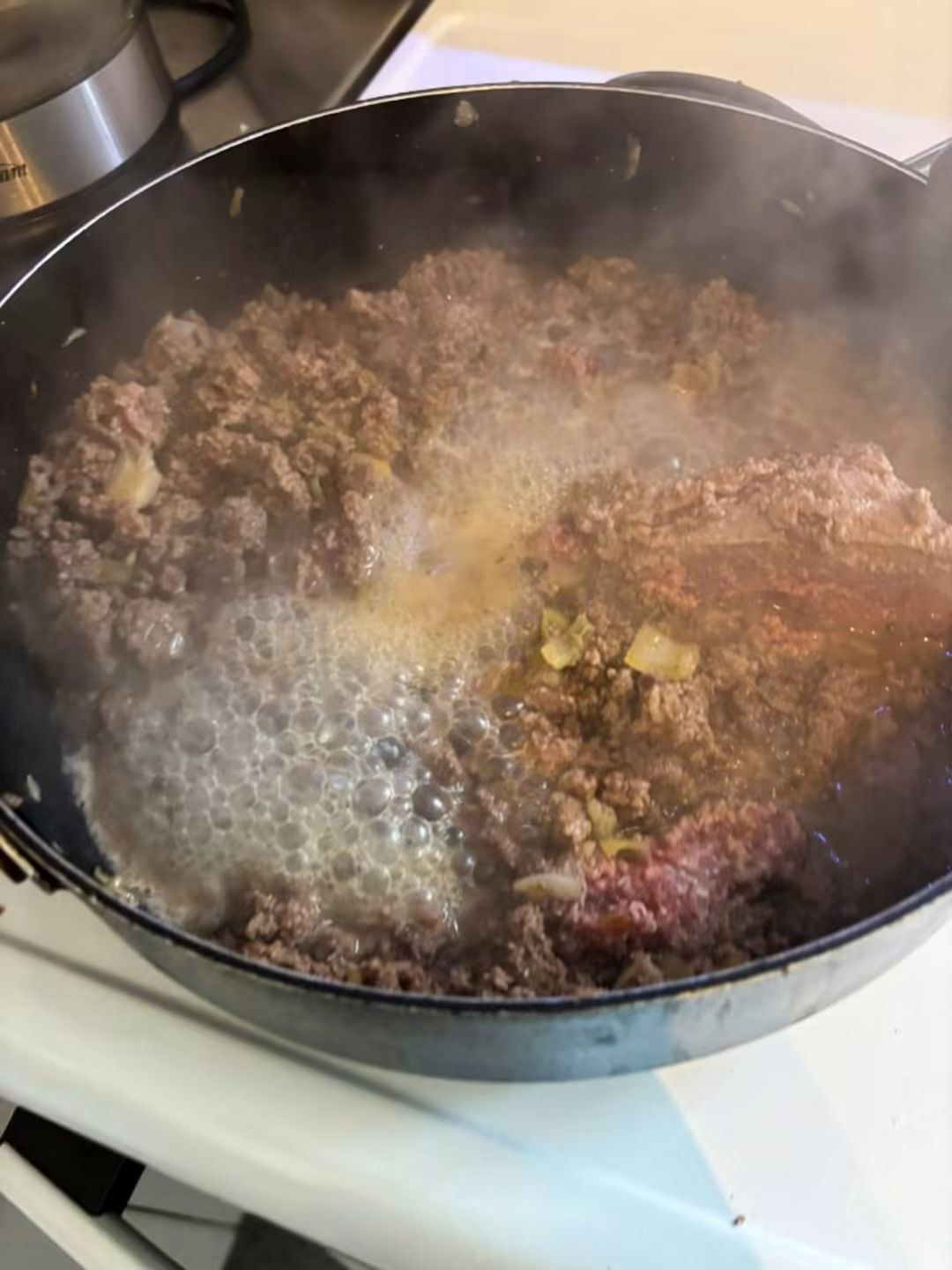
Browning ground beef with onions is a fundamental cooking step that serves as the foundation for countless delicious dishes. Whether you’re preparing a hearty pasta sauce, flavorful tacos, or comforting casseroles, mastering this technique will elevate your meals by infusing them with rich, savory depth and a subtle sweetness from the onions.
This recipe is designed for home cooks seeking a quick, reliable method to brown ground beef evenly while enhancing it with the natural aroma and moisture of sautéed onions. With just about 15 minutes from start to finish, you’ll end up with a well-seasoned, juicy beef mixture that’s ready to be incorporated into your favorite recipes. The straightforward process ensures consistent results every time, making it ideal for busy weeknights or meal prepping.
Why you’ll love this Browning Ground Beef with Onions
- It creates a rich, caramelized flavor that significantly enhances the taste profile of any dish you add it to.
- The onions add natural sweetness and moisture, preventing the beef from drying out and balancing the savory notes.
- This method is quick and straightforward, making it perfect for busy home cooks who want flavorful results without hassle.
- You have full control over seasoning, allowing customization to suit your taste preferences or specific recipe requirements.
- The rendered fat from the beef adds depth and richness, often eliminating the need for additional oils if your beef has sufficient fat content.
Ingredients
- 1 pound ground beef
- 1 medium yellow onion, diced
- 1 tablespoon neutral oil if needed
- 1 teaspoon kosher salt
- 1/2 teaspoon black pepper
This recipe relies on simple, everyday ingredients that are easy to find and affordable. When selecting ground beef, choose a fat content that fits your preference and recipe needs—80/20 (80% lean, 20% fat) is ideal for balancing flavor and juiciness without excessive grease. The medium yellow onion is preferred for its balanced sweetness and pungency, which mellows beautifully when cooked, adding complexity. The neutral oil is optional and only necessary if your beef is very lean to prevent sticking and promote even browning. Using high-quality kosher salt and freshly ground black pepper ensures the seasoning is bright and well-rounded, enhancing the natural flavors.
Instructions
- Heat the skillet: Place a large skillet over medium-high heat. Add the neutral oil only if your ground beef is very lean to prevent sticking and promote browning. Heating the pan properly before adding ingredients ensures a good sear.
- Sauté the onions: Add the diced onion to the hot skillet and cook for 2 to 3 minutes, stirring occasionally, until it begins to soften and become translucent. This step releases the onions’ natural sugars, which will caramelize and enhance the dish’s flavor.
- Add the ground beef: Crumble the ground beef into chunks and add it to the skillet. Let it sit undisturbed for 1 to 2 minutes to develop a brown crust. This initial undisturbed contact creates Maillard reaction browning, adding depth and texture.
- Break up the beef: Using a spoon or spatula, break the beef into smaller pieces, continuing to cook and stir occasionally. Breaking it up helps the beef cook evenly and mix with the onions for balanced flavor.
- Season the mixture: Sprinkle the kosher salt and black pepper over the beef and onions, mixing well to distribute the seasoning evenly. Adding salt early helps draw out moisture, promoting better browning and flavor development.
- Cook thoroughly: Continue cooking for about 6 to 8 minutes, stirring occasionally, until the beef is fully browned with no pink remaining. Proper cooking ensures food safety and optimal texture.
- Remove excess fat: If there is excess rendered fat in the pan, carefully tilt the skillet and spoon off the fat or drain it before using the beef in your recipe. This controls richness and prevents greasy dishes unless your recipe calls for the extra fat.
Tips for the best results
- Use a large enough skillet: Avoid overcrowding the pan, which traps steam and prevents browning. A roomy pan allows moisture to evaporate, resulting in a better sear and deeper flavor.
- Let the beef sit undisturbed initially: Allowing the meat to form a crust before breaking it up encourages the Maillard reaction, creating rich, browned bits that enhance taste.
- Cook onions first: Sautéing onions before adding beef helps release their natural sugars and develop sweetness, which balances the savory meat.
- If using very lean beef, add oil: Lean beef lacks fat and can stick to the pan. A tablespoon of neutral oil prevents sticking and helps achieve even browning.
- Season early: Adding salt at the start draws out moisture from the beef and onions, improving browning and intensifying flavor.
- Drain excess fat: Removing rendered fat controls the dish’s richness and prevents it from becoming greasy, especially important if using fattier ground beef.
Variations and substitutions
- Use ground turkey or chicken: For a leaner protein option, substitute these meats but add oil during cooking to prevent sticking and dryness.
- Add minced garlic: Incorporate garlic with the onions for a more robust, aromatic flavor profile that complements many dishes.
- Swap onions: Use shallots or white onions instead of yellow onions for a milder, subtler taste that suits delicate recipes.
- Incorporate spices: Add smoked paprika, chili powder, or cumin during cooking to introduce smoky or spicy notes and customize the flavor.
- Add vegetables: Mix in finely chopped bell peppers or mushrooms with the onions for additional texture, nutrients, and flavor complexity.
Serving suggestions
This browned ground beef with onions is a versatile and flavorful base perfect for a wide range of meals. Use it to top pasta dishes with marinara or creamy sauces, stuff tacos or burritos for a satisfying handheld meal, or mix into casseroles like shepherd’s pie or lasagna for hearty comfort food. It also works wonderfully stirred into soups, chili, or served over rice, mashed potatoes, or even roasted vegetables to create balanced, filling dishes. The combination of savory beef and sweet onions adds a satisfying depth that complements many cuisines and meal types.
Storage and reheating
Store any leftover browned ground beef with onions in an airtight container in the refrigerator for up to 3 days to maintain freshness and flavor. When reheating, warm gently in a skillet over medium heat, stirring occasionally to heat evenly and prevent drying out. Avoid overheating, which can toughen the meat. For longer storage, freeze the beef mixture in a sealed container or freezer bag for up to 3 months. Thaw overnight in the refrigerator before reheating to preserve texture and taste.
Frequently asked questions
Can I use lean ground beef for this recipe?
Yes, lean ground beef can be used, but because it contains less fat, it tends to stick to the pan and can dry out. Adding a tablespoon of neutral oil before cooking helps prevent sticking and promotes even browning, ensuring the beef remains juicy and flavorful.
Why is it important to brown the beef and not just cook it?
Browning the beef develops a caramelized crust through the Maillard reaction, which adds complex, savory flavors and an appealing texture. Simply cooking the meat without browning results in steamed, bland beef lacking the rich depth that makes dishes truly delicious.
Can I skip the onions if I don’t like them?
While onions contribute sweetness and moisture that enhance the beef, you can omit them if desired. To maintain flavor complexity, consider substituting with shallots, leeks, or adding minced garlic, which also imparts aromatic depth without the onion’s distinct taste.
How do I know when the beef is fully browned?
The beef is fully browned when it has turned uniformly brown with no pink remaining and has a crumbly texture. This usually takes about 6 to 8 minutes over medium-high heat. Proper browning ensures the meat is cooked through and flavorful.
Is it necessary to drain the fat after browning?
Draining excess fat is optional and depends on the fat content of your ground beef and the recipe you are preparing. Removing fat prevents greasy dishes and helps control the richness and calorie content. However, some recipes benefit from the additional fat for flavor and moisture, so adjust according to your preference.
Final thoughts
Mastering the technique of browning ground beef with onions is an essential skill that opens the door to countless flavorful meals. This simple yet crucial cooking step adds savory richness and a subtle sweetness that enhances any dish you build upon it. Whether you’re a beginner or an experienced cook, following this recipe will give you consistent, delicious results every time. Try it today and enjoy the difference it makes in your cooking repertoire.