
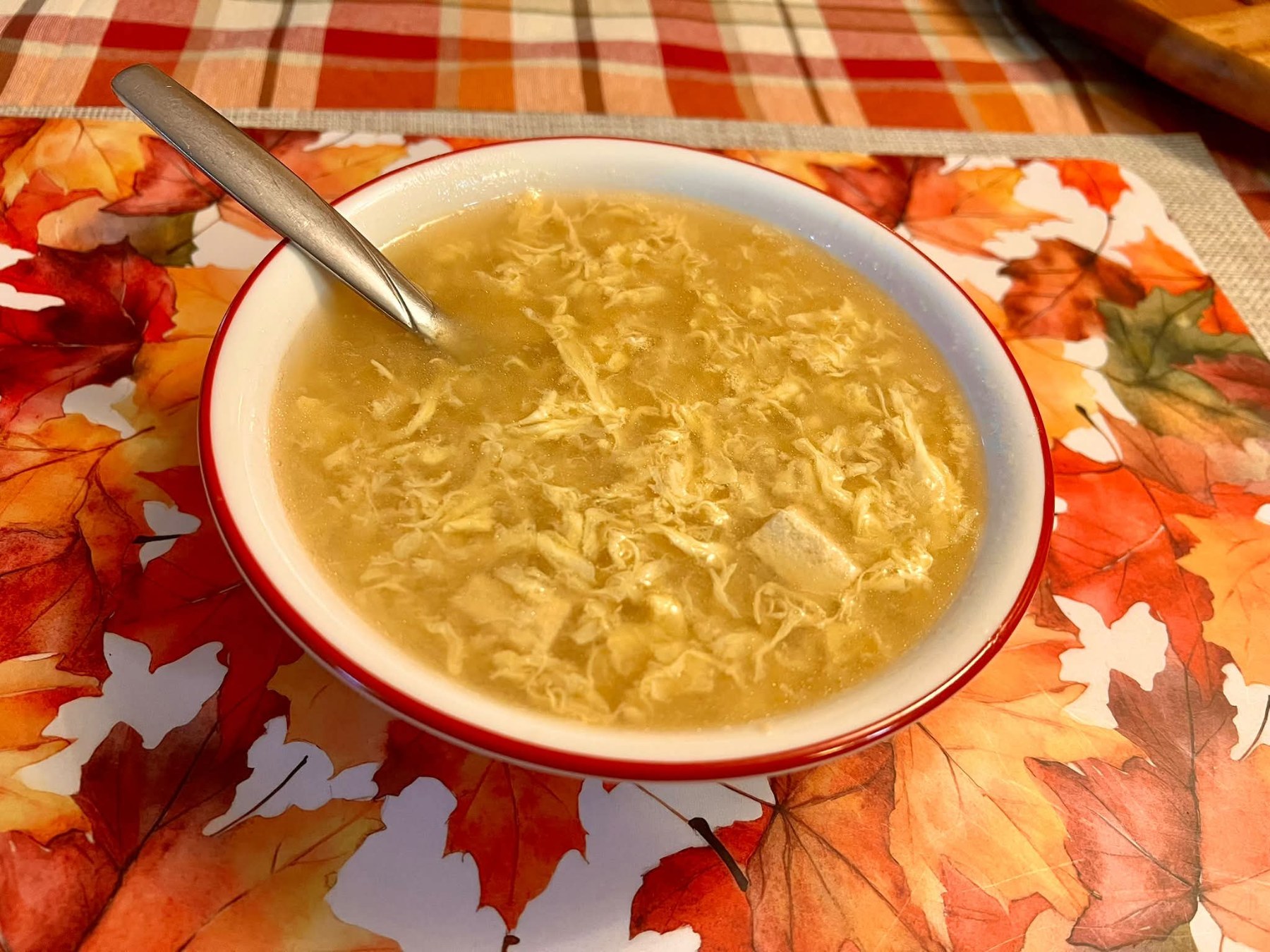
Chinese Egg Drop Soup is a timeless and comforting dish that showcases delicate ribbons of egg floating in a flavorful chicken broth. This easy recipe is ideal for anyone seeking a quick, nourishing soup made with simple ingredients and minimal effort. Whether you are a beginner cook or an experienced home chef, this soup works beautifully as a light appetizer or a standalone meal that soothes and satisfies.
Ready in just about 15 minutes, this soup balances gentle flavors like fresh ginger, soy sauce, and toasted sesame oil with the smooth texture of softly cooked eggs and optional soft tofu cubes. Its simplicity, speed, and subtle complexity make it an excellent choice for busy weeknights or whenever you crave something warm and wholesome. The silky egg strands combined with the slightly thickened broth create a comforting mouthfeel that is both light and nourishing.
Why you’ll love this Chinese Egg Drop Soup
- This soup is incredibly quick to prepare, with just 15 minutes from start to finish, perfect for busy schedules.
- The silky egg ribbons create a unique texture that is both light and satisfying, distinguishing it from other soups.
- It uses simple, everyday ingredients easily found in most kitchens, making it accessible for all cooks.
- Optional additions like soft tofu and scallions add nutritional value and enhance the soup’s visual appeal.
- It’s a versatile dish that can be customized to suit your taste preferences, whether you want it spicier, thicker, or vegetarian.
Ingredients
- 4 cups chicken stock
- 3 large eggs, beaten
- 2 tablespoons cornstarch
- 3 tablespoons cold water
- 1/2 teaspoon salt
- 1/4 teaspoon white pepper
- 1/4 teaspoon sesame oil
- 2 teaspoons grated fresh ginger (optional)
- 2 teaspoons soy sauce (optional, very light use)
- 2 tablespoons small-dice soft tofu (optional, to match visible cubes)
- 1 scallion, thinly sliced (optional garnish)
Servings: 4 servings | Prep time: 5 minutes | Cook time: 10 minutes
The success of this Chinese Egg Drop Soup depends heavily on a few key ingredients. Chicken stock forms the flavorful base, so using a good-quality stock—either homemade or a clean-tasting store-bought variety—is essential to achieve a rich yet clear broth. Fresh eggs are crucial to create the signature silky ribbons; older eggs may not set as smoothly. Cornstarch mixed with cold water acts as a thickening agent, slightly thickening the broth to give it a glossy, velvety texture without making it heavy. Optional ingredients like fresh ginger add a subtle warmth and brightness, while soft tofu introduces a gentle, creamy contrast in texture and adds protein. Light soy sauce and sesame oil deepen the flavor profile with authentic umami and nutty notes. When choosing ingredients, aim for freshness and quality to maximize the soup’s delicate balance of flavors.
Instructions
- Bring stock to a simmer: Pour the chicken stock into a saucepan and heat over medium until it reaches a gentle simmer. Add grated fresh ginger if using to infuse the broth with subtle warmth and a hint of spice.
- Make and add slurry: In a small bowl, stir together the cornstarch and cold water until smooth and free of lumps. Slowly pour this slurry into the simmering broth while stirring continuously. Keep stirring until the soup thickens slightly, becoming glossy and coating the back of a spoon.
- Season the soup: Add salt, white pepper, and a few drops of sesame oil to the broth. If using, gently stir in the diced soft tofu and warm through carefully without breaking the delicate cubes.
- Drizzle in eggs: Reduce the heat so the soup is barely simmering to prevent overcooking the eggs. Slowly pour the beaten eggs in a thin stream into the soup while stirring gently in one direction to create fine, uniform egg ribbons.
- Let eggs set: Stop stirring and let the eggs set for about 15 seconds. This resting time allows delicate strands to form and prevents the eggs from becoming clumpy. Taste the soup and adjust seasoning if necessary.
- Serve hot: Ladle the soup into bowls and garnish with thinly sliced scallions if desired. Serve immediately to enjoy the best texture and fresh flavors.
Tips for the best results
- Use fresh eggs: Fresh eggs yield the smoothest, most tender egg ribbons. Older eggs can become rubbery or clump together, reducing the soup’s silky texture.
- Stir gently in one direction: When adding the eggs, stir slowly and consistently in one direction to create long, delicate strands rather than clumps or large curds.
- Maintain a gentle simmer: Keep the soup just below boiling once the eggs are added. Boiling will toughen the eggs and cause them to lose their tender consistency.
- Add cornstarch slurry gradually: Pour the slurry slowly while stirring to avoid lumps and ensure a smooth, glossy broth without thick patches.
- Use low sodium chicken stock: This allows you to control the saltiness precisely and prevents the soup from becoming overly salty once the soy sauce and other seasonings are added.
- Handle tofu gently: Choose soft or silken tofu and dice it carefully to keep the cubes intact during cooking, preserving their creamy texture and visual appeal.
Variations and substitutions
- Vegetarian version: Substitute chicken stock with vegetable broth and omit the soy sauce if desired for a fully meat-free, flavorful soup.
- Spicy twist: Add a dash of chili oil or thinly sliced fresh chili peppers to introduce a pleasant heat that complements the mild broth.
- Seafood addition: Incorporate small cooked shrimp or crab meat to enrich the soup with a subtle seafood flavor and added protein.
- Thicker soup: Increase the cornstarch to 3 tablespoons for a heartier, more substantial texture that works well as a light meal.
- Herbs: Garnish with fresh cilantro or parsley instead of scallions for a fresh, herbal note that changes the flavor profile slightly.
Serving suggestions
Chinese Egg Drop Soup serves wonderfully as an appetizer alongside classic Chinese dishes such as fried rice, steamed dumplings, or stir-fried vegetables. Its light yet comforting qualities also make it an excellent choice for a quick lunch or light dinner. Pairing the soup with a simple green salad or a side of steamed bok choy balances the meal with fresh, crisp textures. On cooler days, this warm soup provides soothing relief and satisfying nourishment without heaviness, making it a versatile companion to a variety of meals.
Storage and reheating
Store any leftover soup in an airtight container in the refrigerator for up to 2 days to maintain freshness. When reheating, warm the soup gently over low heat to prevent the eggs from overcooking and becoming rubbery. Avoid bringing the soup to a boil during reheating, as this can alter the texture negatively. If the soup thickens too much after refrigeration, stir in a little extra water or chicken stock to restore the desired consistency. For best flavor and texture, reheat only the portion you plan to serve.
Frequently asked questions
Can I use vegetable stock instead of chicken stock?
Yes, vegetable stock is an excellent substitute if you prefer a vegetarian or vegan version. While the flavor will be slightly different—usually lighter and less rich—it will still provide a tasty and satisfying base for the egg drop soup. To enhance the broth’s depth, you can add extra seasonings like mushrooms, soy sauce, or a touch of miso paste.
Why did my egg ribbons clump together?
Clumping often occurs when eggs are poured too quickly into the soup or if the soup is boiling vigorously. To create fine, separate egg ribbons, drizzle the eggs slowly in a thin stream and stir gently in one direction. Also, ensure the soup is at a gentle simmer rather than a rolling boil, as high heat causes the eggs to cook too fast and stick together.
Is it necessary to use cornstarch?
Cornstarch plays a key role in slightly thickening the broth, giving the soup a glossy, velvety finish that enhances mouthfeel. If you prefer a thinner broth, you can omit the cornstarch, but the soup will be less silky and more watery in texture. Using cornstarch also helps the egg ribbons suspend evenly in the broth rather than sinking.
Can I prepare this soup in advance?
You can prepare the broth and cornstarch slurry ahead of time, but it’s best to add the beaten eggs just before serving. Adding eggs too early causes them to overcook, resulting in tough or rubbery strands. For convenience, keep the broth warm and add the eggs when ready to eat for optimal texture and freshness.
What can I add to make the soup more filling?
To make the soup more substantial, consider adding soft tofu cubes, cooked shredded chicken, or vegetables such as corn, peas, or mushrooms. These ingredients boost the protein and fiber content without overpowering the delicate flavors of the soup. They also add interesting textures and nutritional benefits, transforming the soup into a light yet satisfying meal.
Final thoughts
Chinese Egg Drop Soup is a wonderfully simple yet elegant dish that fits perfectly into any home cook’s repertoire. With only a handful of ingredients and minimal prep time, it delivers comforting textures and gentle flavors that appeal to all ages. Whether served as a starter or a light meal, this soup offers warmth and satisfaction with every spoonful. Give this easy recipe a try and bring the soothing taste of traditional Chinese cuisine to your table.