
Introduction
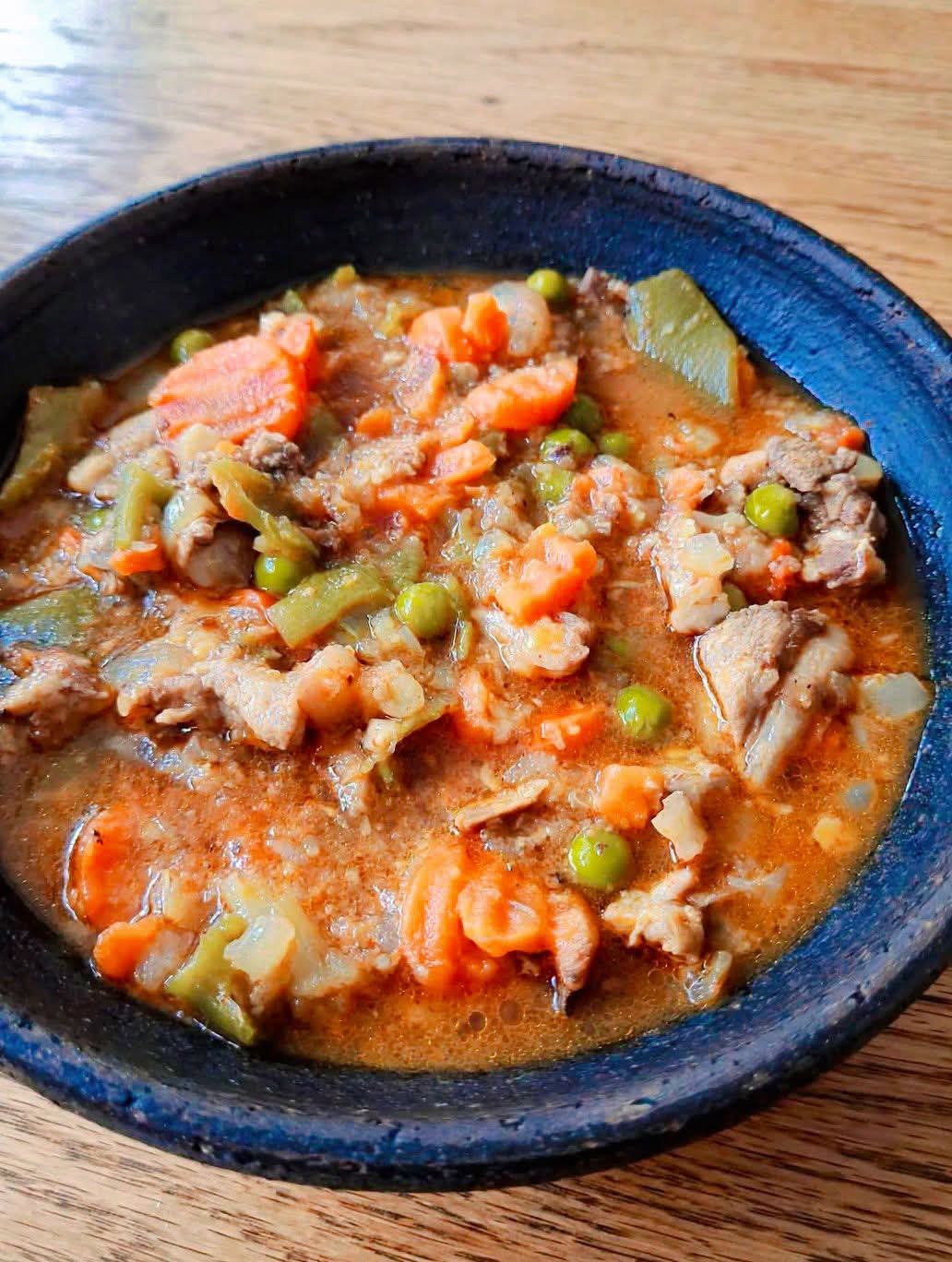
Pork Menudo is a classic Filipino pork stew that combines tender pork, savory tomato sauce, and vibrant vegetables for a comforting meal. This traditional dish brings together a perfect balance of flavors and textures, making it a beloved choice for those who enjoy hearty, home-cooked meals with a touch of Filipino heritage.
Ideal for family dinners or gatherings, Pork Menudo offers warmth and rich flavors that satisfy any appetite. With a prep time of just 15 minutes and a cook time of about 45 minutes, this recipe fits seamlessly into busy schedules while delivering an authentic taste experience that’s both simple and rewarding to prepare.
Why you’ll love this Pork Menudo recipe
- It features tender pork cooked slowly to absorb rich tomato-based flavors, ensuring every bite is juicy and flavorful.
- The combination of potatoes, carrots, and green peas adds vibrant color, a variety of textures, and valuable nutrients to the stew.
- Including pork liver adds authenticity and a subtle depth of flavor, enhancing the stew’s traditional character, though it remains optional for those who prefer milder tastes.
- This stew is versatile, making it perfect for serving with steamed rice or enjoying on its own as a satisfying one-pot meal.
- It’s a comforting dish that’s easy to prepare and excellent for feeding a crowd, making it ideal for family meals and festive occasions alike.
Ingredients
- 2 lb pork shoulder or pork belly, cut into bite-size pieces
- 1/4 lb pork liver, small dice (optional but classic)
- 2 tbsp oil
- 1 medium onion, chopped
- 4 cloves garlic, minced
- 2 medium tomatoes, chopped
- 1 cup tomato sauce
- 1 tbsp fish sauce or 1 1/2 tsp salt
- 1 1/2 cups water or pork broth
- 2 medium potatoes, peeled and diced
- 2 medium carrots, sliced
- 1/2 cup green peas
- 1 small green bell pepper, diced
- 2 bay leaves
- 1/2 tsp ground black pepper
This recipe yields 4-6 servings, with a total cooking time of about 60 minutes including preparation. The key ingredients like pork shoulder or pork belly provide the ideal balance of lean meat and fat, which is crucial for achieving tender, flavorful results. The tomato sauce creates a rich, tangy base that perfectly complements the fresh vegetables such as carrots, potatoes, and green peas, which contribute both sweetness and texture. For best results, select fresh, firm vegetables without blemishes and pork that has good marbling but is not excessively fatty, ensuring a luscious stew with balanced richness.
Instructions
- Heat oil and sauté aromatics: Warm the oil in a pot over medium heat, then sauté the chopped onion and minced garlic until they become soft and fragrant.
- Brown the pork: Add the bite-sized pork pieces to the pot and cook until the edges turn lightly browned, which helps develop flavor.
- Add tomatoes and tomato sauce: Stir in the chopped tomatoes and cook until they break down. Then add the tomato sauce, fish sauce or salt, bay leaves, ground black pepper, and water or pork broth. Mix well.
- Simmer pork: Cover the pot and let it simmer gently for 25 to 35 minutes until the pork is nearly tender.
- Add root vegetables: Incorporate the diced potatoes and sliced carrots into the stew. Continue simmering until the vegetables are tender, about 10-15 minutes.
- Cook pork liver if using: Add the diced pork liver and cook for 5 to 7 minutes until just done, taking care not to overcook to keep it tender.
- Add peas and bell pepper: Stir in the green peas and diced green bell pepper, and simmer for an additional 2 to 3 minutes to combine flavors.
- Adjust seasoning and serve: Taste the stew and adjust seasoning as needed. Serve hot, ideally with steamed rice.
Tips for the best results
- Use pork shoulder or pork belly for the perfect balance of tenderness and flavor, as these cuts have enough fat to keep the meat moist during slow cooking.
- Simmer gently over low heat to allow the pork to become tender without drying out or toughening, as high heat can cause the meat fibers to contract too quickly.
- Do not overcook the pork liver; add it near the end to keep it tender and prevent it from becoming grainy or rubbery, which happens when liver is cooked too long.
- Use fresh vegetables for the best texture and natural sweetness, as older or frozen vegetables can become mushy and lose flavor when cooked in the stew.
- Adjust the seasoning gradually, especially when using fish sauce, since it is salty and pungent; adding it slowly helps avoid oversalting and maintains a balanced umami taste.
- Cover the pot while simmering to retain moisture and heat, which speeds up cooking and prevents the stew from drying out or thickening too much prematurely.
Variations and substitutions
- Replace pork liver with chicken liver or omit it entirely for a milder stew that still retains rich flavors.
- Use beef instead of pork for a different flavor profile; just be sure to adjust cooking time as beef may require longer simmering for tenderness.
- Incorporate bell peppers of different colors such as red or yellow to add sweetness and visual appeal to the dish.
- Add raisins or pineapple chunks for a sweet and tangy twist that complements the savory tomato base and adds an unexpected burst of flavor.
- Substitute tomato sauce with crushed fresh tomatoes or canned diced tomatoes for a fresher, less concentrated tomato flavor and a chunkier texture.
Serving suggestions
Pork Menudo is traditionally served hot with steamed white rice, which provides a neutral base that balances the rich and savory flavors of the stew beautifully. For a more flavorful accompaniment, garlic fried rice works wonderfully, adding a subtle garlicky aroma that complements the dish. Pairing Menudo with a simple vegetable side such as sautéed greens or a fresh cucumber salad adds a refreshing contrast to the hearty stew. For festive meals or gatherings, serving Pork Menudo alongside Filipino favorites like lumpia (spring rolls) or a fresh green salad enhances the meal’s variety and appeal.
Storage and reheating
Store leftover Pork Menudo in an airtight container in the refrigerator for up to 3 days. The flavors often deepen and meld together after resting overnight, making leftovers even more delicious. When reheating, warm the stew gently on the stove over low heat, stirring occasionally to prevent sticking and to ensure even heating. Alternatively, you can reheat portions in the microwave, covered, stirring midway to heat thoroughly without drying out the meat or vegetables.
Frequently asked questions
Can I make Pork Menudo without pork liver?
Yes, pork liver is optional in Pork Menudo. While it adds a traditional richness and depth of flavor, you can easily omit it if you prefer a milder taste or if you don’t have it on hand. The stew remains flavorful and satisfying without liver, and you can also substitute chicken liver for a slightly different but still authentic flavor.
What can I use instead of fish sauce?
If you don’t have fish sauce, salt is a simple and effective substitute. Begin with 1 1/2 teaspoons of salt and adjust according to taste. Keep in mind that fish sauce provides a unique umami and slightly briny flavor that plain salt cannot fully replicate, so seasoning gradually will help you achieve a balanced taste without overpowering the stew.
Can I freeze Pork Menudo?
Yes, Pork Menudo freezes well and is a convenient make-ahead meal. Store the cooled stew in a freezer-safe container or heavy-duty freezer bag for up to 2 months. When ready to eat, thaw it overnight in the refrigerator and reheat gently on the stove to preserve the texture of the pork and vegetables. Avoid microwave reheating from frozen to prevent uneven warming or overcooked spots.
How do I prevent the pork from becoming tough?
To keep pork tender in Menudo, cook it slowly over low heat rather than boiling vigorously. High heat causes the meat fibers to contract and toughen. Check tenderness after 25 minutes and continue simmering if needed, allowing connective tissues to break down gradually, resulting in soft, juicy pork that melts in your mouth.
Is Pork Menudo spicy?
Traditional Pork Menudo is not spicy; it focuses on savory, tangy, and slightly sweet flavors. However, if you enjoy heat, you can easily add chili peppers, crushed red pepper flakes, or hot sauce during cooking or as a condiment when serving to customize the spice level to your preference.
Final thoughts
Pork Menudo is a beloved Filipino stew that offers a perfect blend of savory pork, tangy tomato sauce, and colorful vegetables. Its hearty and comforting nature makes it a wonderful dish to prepare for family meals or special occasions. Give this easy Pork Menudo recipe a try to experience a delicious taste of Filipino home cooking that is both satisfying and full of authentic flavor.