
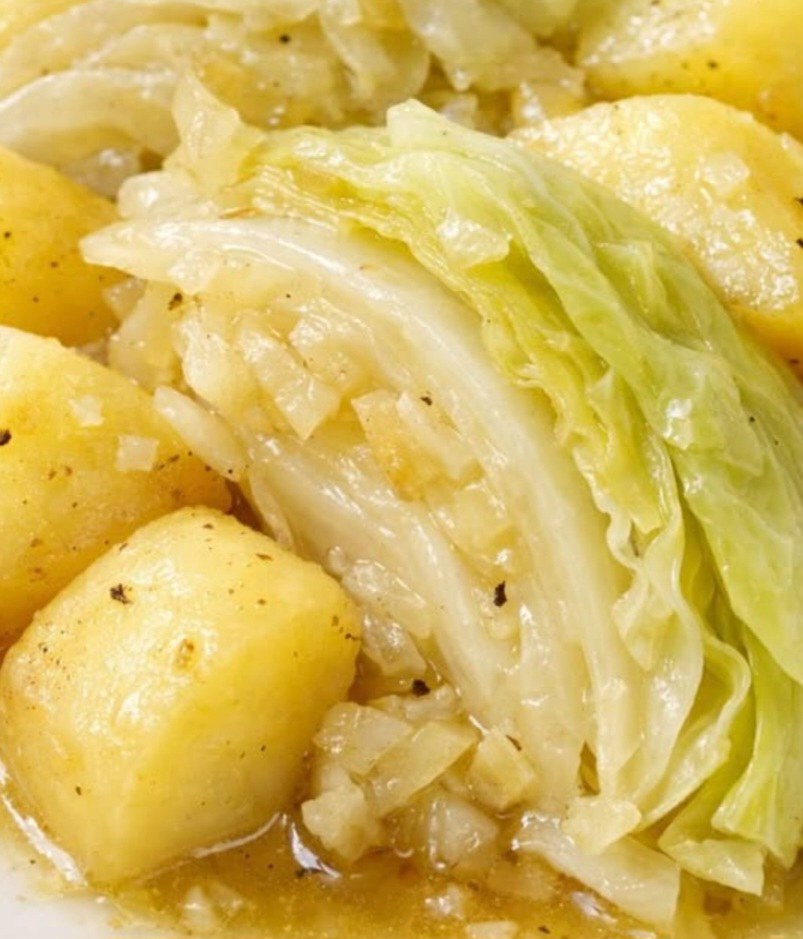
Boiled cabbage and potatoes is a timeless vegetable side dish that combines simple ingredients into a comforting and hearty accompaniment. This recipe features tender green cabbage wedges simmered alongside soft, waxy potatoes in a buttery, flavorful broth. It’s a dish that brings out the natural sweetness of the cabbage and the creamy texture of the potatoes, making it an ideal side for family dinners, holiday meals, or any occasion where you want a satisfying yet straightforward vegetable dish.
Perfect for home cooks seeking an easy and wholesome side, this recipe requires minimal preparation and gentle simmering to achieve tender, flavorful results. Ready in about 45 minutes, it serves 4 to 6 people comfortably and pairs well with a variety of main courses. Whether you’re new to cooking or looking for a reliable side dish, boiled cabbage and potatoes offers both simplicity and taste.
Why you’ll love this boiled cabbage and potatoes
- This recipe uses minimal, everyday ingredients, making it quick to prepare for busy weeknights without compromising flavor.
- The combination of tender cabbage wedges and firm waxy potatoes creates a pleasing texture contrast that is both hearty and light.
- Cooking with chicken broth infuses the dish with savory depth while keeping the vegetables moist and tender throughout simmering.
- It’s naturally gluten-free and can be made vegetarian-friendly by swapping chicken broth for vegetable broth, catering to various dietary preferences.
- The dish reheats exceptionally well, maintaining its flavor and texture, making it perfect for meal prepping or enjoying leftovers.
Ingredients
- 1 medium green cabbage, cut into 6 wedges
- 2 lb Yukon Gold or other waxy potatoes, peeled and cut into large chunks
- 1 medium onion, finely diced
- 3 tbsp butter
- 2 cups chicken broth or water
- 1 1/2 tsp kosher salt, plus more to taste
- 1/2 tsp black pepper
Key to the success of this recipe are fresh green cabbage and waxy potatoes such as Yukon Gold. The cabbage should have crisp leaves and a firm core to hold up well during simmering without turning mushy. For the potatoes, choosing waxy varieties like Yukon Gold ensures they maintain their shape and provide a creamy texture rather than falling apart. The chicken broth adds a rich, savory base that enhances the natural flavors of the vegetables, though water can be used for a lighter taste. Fresh onion and quality butter contribute sweetness and depth, rounding out the dish’s aroma and body.
Instructions
- Melt the butter: In a large pot or Dutch oven, melt 3 tablespoons of butter over medium heat to prepare for sautéing.
- Sauté the onion: Add the finely diced onion to the pot and cook for 3 to 4 minutes until softened but not browned, stirring occasionally.
- Add potatoes and liquid: Place the peeled and chunked potatoes into the pot along with 2 cups of chicken broth or water. Season with 1 1/2 teaspoons of kosher salt and 1/2 teaspoon of black pepper.
- Add cabbage wedges: Nestle the cabbage wedges on top of the potatoes and liquid. Cover the pot with a lid and bring to a gentle simmer over medium-low heat.
- Simmer until tender: Cook for 25 to 35 minutes, turning the cabbage once halfway through if needed, until the potatoes are tender when pierced with a fork and the cabbage is very soft.
- Adjust seasoning: Taste the broth and vegetables, adding more salt and pepper as desired to enhance the flavors.
- Serve hot: Spoon some of the flavorful cooking broth over the cabbage and potatoes before serving for added moisture and taste.
Tips for the best results
- Choose waxy potatoes like Yukon Gold: These potatoes hold their shape during cooking, preventing the dish from becoming mushy and ensuring a pleasant, firm texture.
- Cut cabbage into large wedges: Larger pieces cook evenly and are easier to turn during simmering, which helps maintain their structure and texture.
- Sauté onions gently: Cooking the onions slowly without browning releases their natural sweetness and enhances the overall flavor without introducing bitterness.
- Simmer with the lid on: Keeping the pot covered traps steam, which helps soften the vegetables evenly and keeps the broth flavorful and moist.
- Check tenderness regularly: Testing potatoes and cabbage with a fork prevents overcooking, preserving texture and preventing the cabbage from becoming too mushy.
- Reserve cooking broth for serving: Spoon some broth over the finished dish to add moisture and intensify flavor, making each bite more enjoyable.
Variations and substitutions
- Vegetarian or vegan option: Use vegetable broth instead of chicken broth, and replace butter with olive oil or a plant-based spread to keep the dish fully plant-based.
- Add aromatics: Incorporate garlic cloves, thyme sprigs, or bay leaves during simmering to introduce subtle herbal notes and complexity to the flavor profile.
- Alternative cabbages: Swap green cabbage for red or Savoy cabbage to add color contrast and slightly different tastes, with red cabbage offering a mild sweetness and Savoy providing a tender texture.
- Extra vegetables: Include sliced carrots, parsnips, or leeks with the potatoes to add natural sweetness and varied textures for a more robust side dish.
- Garnishes: Top the finished dish with crispy bacon bits for a smoky crunch or sprinkle fresh chopped parsley for a bright, fresh finish.
Serving suggestions
This boiled cabbage and potatoes side dish pairs beautifully with a variety of main courses. It complements roasted meats such as pork loin, roasted chicken, or beef brisket by balancing rich, savory flavors with its mild sweetness and tender texture. It also works well alongside sausages or smoked fish, where its gentle flavors provide a pleasing contrast. For a complete meal, serve it with crusty artisan bread or a crisp green salad dressed with a light vinaigrette to add freshness and crunch. This combination makes for a comforting and satisfying dinner that’s easy to prepare and enjoy.
Storage and reheating
To store leftovers, transfer the boiled cabbage and potatoes to an airtight container and refrigerate for up to 3 days. When reheating, gently warm the dish on the stovetop over low heat or in the microwave, adding a splash of broth or water to restore moisture and prevent drying out. Avoid high heat or prolonged reheating, as this can cause the cabbage to become overly soft and the potatoes to lose their texture. Proper reheating helps maintain the dish’s tender yet intact consistency, making it just as enjoyable the next day.
Frequently asked questions
Can I use other types of cabbage for this recipe?
Yes, you can substitute green cabbage with other varieties such as red or Savoy cabbage. Red cabbage adds a vibrant purple hue and a slightly sweeter, earthier flavor, while Savoy cabbage has crinkled leaves and a milder taste. Each will affect the dish’s appearance and texture slightly but will still work well with the potatoes and broth.
What is the best type of potato to use?
Waxy potatoes like Yukon Gold or red potatoes are best for this recipe because they hold their shape well during boiling. Their firm texture allows them to become tender without falling apart, which is important for maintaining the dish’s structure. Avoid starchy potatoes like Russets, which tend to break down and become mealy or mushy when boiled for a long time.
Can I make this dish vegan?
Absolutely. To make this dish vegan, simply replace the chicken broth with vegetable broth and use a plant-based butter alternative or olive oil instead of dairy butter. This substitution keeps the dish flavorful and moist while adhering to vegan dietary requirements without changing the cooking method or texture.
How do I know when the cabbage and potatoes are done?
The cabbage and potatoes are done when the potatoes can be easily pierced with a fork and the cabbage is very soft but still holds its shape. This usually takes between 25 and 35 minutes of simmering. Overcooking can cause the cabbage to become mushy, so checking for tenderness regularly is important to achieve the perfect texture.
Is it necessary to sauté the onion first?
Sautéing the onion before adding the other ingredients is recommended because it softens the onion and releases its natural sweetness, which enhances the overall flavor of the dish. While you can add raw onion directly, the resulting flavor will be less developed and the texture slightly more pronounced. The gentle cooking step adds depth and aroma that complements the cabbage and potatoes.
Final thoughts
Boiled cabbage and potatoes is a wonderfully simple and satisfying vegetable side dish that brings warmth and comfort to any meal. Its straightforward ingredients and easy cooking method make it accessible for cooks of all skill levels. This recipe highlights the natural sweetness and textures of cabbage and potatoes, enhanced by savory broth and butter. Try this classic recipe to enjoy a tender, flavorful side that pairs well with countless main dishes and is sure to become a staple in your kitchen.