
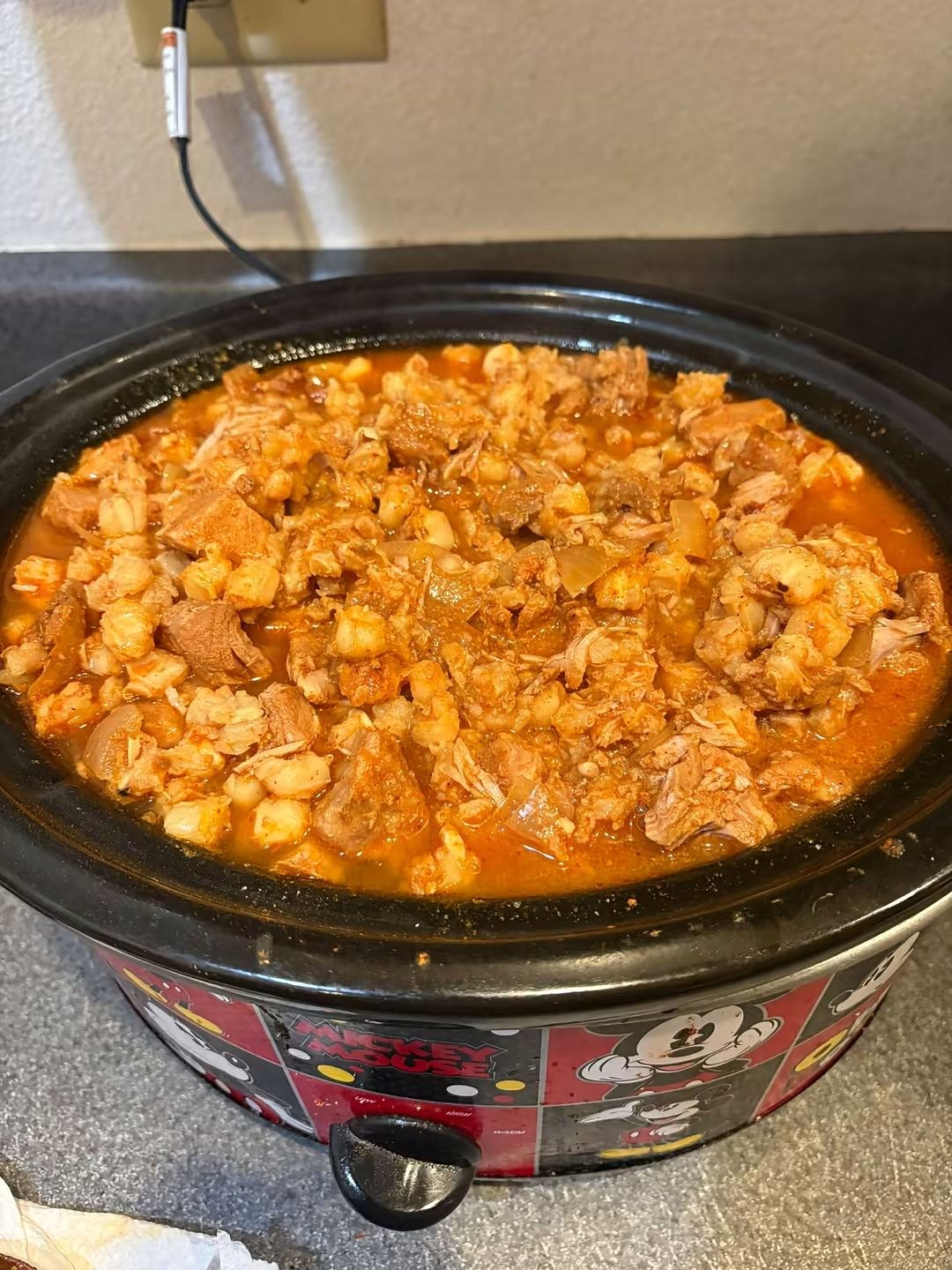
Pozole Rojo is a classic Mexican stew known for its rich red chile broth, tender pork, and hearty hominy. This traditional dish is perfect for gatherings or cozy dinners, delivering deep flavors that celebrate Mexican culinary heritage. Whether you’re a seasoned cook or new to Mexican cuisine, this recipe offers a straightforward way to enjoy comforting, flavorful pozole at home.
With a prep time of just 25 minutes and a slow simmer of about 3 hours, Pozole Rojo is an ideal dish for those who appreciate hands-off cooking that rewards with rich, layered flavors. This recipe serves 8 to 10 people, making it perfect for sharing with family and friends.
Why you’ll love this Pozole Rojo recipe
- The slow-cooked pork becomes incredibly tender, melting in your mouth with every bite.
- The blend of dried guajillo, ancho, and chiles de arbol creates a complex, smoky, and slightly spicy broth.
- Hominy adds a unique chewy texture and traditional Mexican authenticity to the stew.
- This recipe is versatile and can be garnished with fresh toppings for added crunch and brightness.
- Preparing Pozole Rojo is a rewarding experience that brings the rich flavors of Mexican heritage to your kitchen.
Ingredients
- 3 lb pork shoulder, cut into large chunks
- 1 lb pork ribs or additional pork shoulder
- 1 large white onion, divided
- 6 cloves garlic
- 10 cups water or pork stock
- 2 dried guajillo chiles
- 4 dried ancho chiles
- 2 dried chiles de arbol
- 1 tsp dried oregano
- 1 tsp ground cumin
- 2 bay leaves
- 2 tsp kosher salt, plus more to taste
- 1/2 tsp black pepper
- 2 tbsp neutral oil
- 2 cans (25 oz each) white hominy, drained and rinsed
This recipe relies on quality cuts of pork shoulder and ribs, which provide the rich meatiness essential to the stew’s depth. Choosing fresh dried chiles like guajillo, ancho, and chiles de arbol will ensure a vibrant, smoky, and mildly spicy broth. White hominy adds a traditional chewy texture that balances the meat and chile flavors. Fresh onion and garlic contribute savory undertones, while the spices like cumin and oregano round out the complexity of the stew.
Instructions
- Simmer the pork: Place the pork shoulder, pork ribs, half the onion, 4 garlic cloves, bay leaves, salt, pepper, and water or pork stock in a large pot. Bring to a gentle simmer, cover, and cook until the pork is tender, about 2 to 2 1/2 hours. Alternatively, use a slow cooker on low for 6 to 8 hours.
- Prepare the chiles: While the pork cooks, stem and seed the dried guajillo, ancho, and chiles de arbol. Toast them briefly in a dry skillet over medium heat until fragrant, about 1 to 2 minutes. Then soak the toasted chiles in hot water for 15 minutes to soften.
- Make the chile sauce: Blend the softened chiles with the remaining half onion, 2 garlic cloves, cumin, oregano, and about 1 cup of the chile soaking liquid until smooth.
- Strain and fry the sauce: If desired, strain the chile sauce through a fine mesh sieve to remove skins and seeds. Heat the neutral oil in a skillet over medium heat and fry the sauce for 5 to 7 minutes, stirring occasionally, until it thickens slightly and darkens in color.
- Prepare the pork and combine: Remove the cooked pork from the pot, shred or chop it into bite-sized pieces, and return it to the pot. Discard the cooked onion halves and bay leaves.
- Add sauce and hominy: Stir the fried chile sauce and drained hominy into the pork broth. Simmer uncovered for 30 to 45 minutes, allowing the flavors to meld and the broth to turn a rich red color.
- Adjust seasoning and serve: Taste the pozole and add more salt if needed. Serve hot, garnished as desired with shredded cabbage, sliced radishes, diced onion, oregano, lime wedges, and tostadas for a classic experience.
Tips for the best results
- Use fresh dried chiles for the best flavor; avoid old or dusty ones as they lose aroma and taste.
- Toast the chiles just until fragrant to unlock their flavors without burning them, which can cause bitterness.
- Simmer the pork slowly to achieve tender meat that easily shreds, enhancing the stew’s texture.
- Rinse canned hominy thoroughly to remove excess starch and prevent cloudiness in the broth.
- Frying the chile sauce deepens its flavor and color, so don’t skip this step for authentic richness.
- Adjust salt gradually at the end to avoid over-seasoning since the broth reduces and concentrates flavors.
Variations and substitutions
- Chicken Pozole Rojo: Replace pork with bone-in chicken thighs for a lighter but still flavorful stew.
- Vegetarian Pozole: Omit meat and use vegetable broth with mushrooms or jackfruit for texture.
- Spice Level: Adjust the number of chiles de arbol or add fresh jalapeños for more heat.
- Hominy Alternatives: Use frozen or fresh hominy if canned is unavailable; soak fresh hominy overnight.
- Additional Toppings: Try avocado slices, radish sprouts, or queso fresco for varied textures and tastes.
Serving suggestions
Pozole Rojo is traditionally served hot in bowls with a variety of fresh garnishes to personalize each serving. Common toppings include shredded cabbage for crunch, thinly sliced radishes for peppery freshness, diced raw onion for bite, dried oregano for herbal notes, and lime wedges to add brightness. Crispy tostadas or warm corn tortillas make perfect accompaniments, balancing the rich stew with their texture and flavor. This combination creates a well-rounded, satisfying meal.
Storage and reheating
Store leftover Pozole Rojo in an airtight container in the refrigerator for up to 3 days. The flavors often deepen after resting overnight. To reheat, warm the stew gently on the stove over medium heat, stirring occasionally until heated through. If the broth has thickened too much, add a splash of water or stock to loosen it. Pozole Rojo can also be frozen for up to 3 months; thaw overnight in the fridge before reheating.
Frequently asked questions
What is the difference between Pozole Rojo and Pozole Blanco?
Pozole Rojo features a rich, red chile broth made from dried chiles like guajillo and ancho, giving it a smoky and slightly spicy flavor. Pozole Blanco, on the other hand, has a clear broth without the chile sauce, focusing on the pork and hominy flavors. Both are traditional but offer distinct taste experiences.
Can I make Pozole Rojo in a slow cooker?
Yes, Pozole Rojo is well-suited for slow cooker preparation. You can cook the pork, onion, garlic, and bay leaves on low for 6 to 8 hours until tender. Prepare the chile sauce separately and add it with the hominy during the last 30 to 45 minutes of cooking to meld the flavors.
How do I know when the pork is done?
The pork is done when it is very tender and easily shredded with a fork. This typically takes about 2 to 2 1/2 hours of simmering on the stove or 6 to 8 hours in a slow cooker. Properly cooked pork will add richness and texture to the stew.
Can I use fresh chiles instead of dried ones?
Dried chiles provide concentrated flavor and color essential for Pozole Rojo’s traditional taste. Fresh chiles have more moisture and a different flavor profile, so substituting them will change the dish. If fresh chiles are used, adjust cooking times and seasoning accordingly, but dried chiles are recommended for authenticity.
What toppings are traditionally served with Pozole Rojo?
Traditional toppings include shredded cabbage, sliced radishes, diced onion, dried oregano, lime wedges, and tostadas or tortilla chips. These add texture, freshness, and brightness that complement the rich stew, allowing each diner to customize their bowl to taste.
Final thoughts
Pozole Rojo is a beloved Mexican stew that brings warmth, tradition, and bold flavors to your table. Its tender pork, smoky chile broth, and hearty hominy make it a comforting dish perfect for sharing. With this detailed recipe, even home cooks new to Mexican cuisine can create an authentic and delicious meal. Give it a try and enjoy a taste of Mexico right at home.