
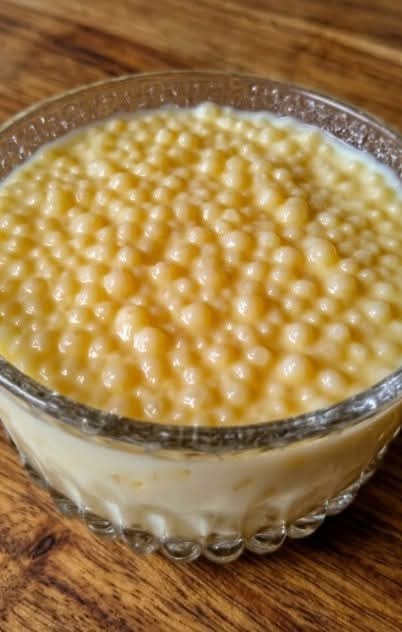
Tapioca pudding is a timeless dessert beloved for its creamy texture and delicate sweetness. This easy tapioca pudding recipe uses small pearl tapioca, whole milk, and a touch of vanilla to create a smooth, comforting treat ideal for any occasion. Whether you’re new to making pudding or looking for a reliable classic, this recipe works wonderfully for home cooks of all skill levels, blending simplicity with satisfying results.
Ready in just about 40 minutes including prep and cooking, this tapioca pudding serves four and delivers a luscious, satisfying dessert that’s perfect warm or chilled. It’s a delightful way to enjoy a nostalgic dessert with simple ingredients you likely have on hand, making it excellent for both casual family dinners and special gatherings.
Why you’ll love this Tapioca Pudding
- This recipe uses small pearl tapioca, which creates a perfectly creamy texture without being too gelatinous, ensuring each bite is smooth yet pleasantly chewy.
- It’s a straightforward, fuss-free dessert with just a handful of pantry staples, making it accessible even if you’re short on time or ingredients.
- The pudding can be served warm or chilled, making it versatile for any season or preference, from cozy winter evenings to refreshing summer treats.
- The gentle cooking method ensures the egg thickens the pudding without curdling, giving a smooth and velvety finish that elevates the dessert.
- The vanilla extract adds a warm aromatic depth that enhances the subtle sweetness, imparting a classic comforting flavor loved by all ages.
Ingredients
- 1/2 cup small pearl tapioca
- 2 1/2 cups whole milk
- 1/3 cup granulated sugar
- 1 large egg
- 1/4 teaspoon salt
- 1 teaspoon vanilla extract
This recipe relies on small pearl tapioca, which is essential for achieving the classic texture of creamy pudding with tender tapioca pearls that soften without disintegrating. When shopping, look for tapioca pearls labeled “small” or “mini” to ensure the right consistency. Whole milk is preferred here because its higher fat content lends richness and creaminess that 2% or skim milk cannot match, although substitutions can be made for dietary preferences. Fresh eggs are important not only for thickening but also for contributing to a smooth, custard-like texture. Granulated sugar balances the mild flavor of tapioca and milk, while vanilla extract introduces a fragrant warmth that rounds out the dessert’s profile beautifully.
Instructions
- Soak the tapioca: If your tapioca package recommends it, rinse the pearls and soak them in 1/2 cup of the milk for 30 minutes to soften. This step hydrates the pearls and helps them cook evenly, preventing a gritty texture.
- Combine ingredients to cook: In a saucepan, mix the soaked tapioca, remaining 2 cups of milk, sugar, and salt. Place over medium-low heat and bring to a gentle simmer while stirring frequently to prevent sticking. Slow heating allows the pearls to gradually swell and the milk to infuse with sweetness.
- Cook until thickened: Continue cooking and stirring for about 20 to 30 minutes, until the tapioca pearls become mostly translucent and the mixture thickens to a creamy consistency. Patience here is key to avoid undercooked pearls or overly thick pudding.
- Temper the egg: Beat the egg in a small bowl, then slowly whisk in a few spoonfuls of the hot tapioca mixture to raise the egg’s temperature gradually. This prevents scrambling and ensures a silky texture.
- Incorporate the egg mixture: Return the tempered egg slowly to the saucepan. Cook gently for 2 to 3 minutes, stirring constantly until the pudding thickens slightly more. Avoid boiling vigorously to prevent curdling and maintain smoothness.
- Finish with vanilla: Remove the pan from heat and stir in the vanilla extract thoroughly. Adding vanilla off-heat preserves its delicate aroma and flavor.
- Serve or chill: Spoon the pudding into dessert bowls to serve warm immediately, or chill in the refrigerator until set and creamy. Both options offer deliciously different experiences of this classic dessert.
Tips for the best results
- Use small pearl tapioca for the ideal texture; larger pearls will change the mouthfeel, often resulting in a chewier or uneven pudding.
- Stir frequently during cooking to prevent tapioca from sticking to the pan and burning. A heavy-bottomed pan helps distribute heat evenly and minimizes hot spots.
- Temper the egg carefully by slowly adding hot pudding to avoid scrambling the egg. This gradual warming is essential to a silky custard base.
- Do not boil the pudding hard after adding the egg; gentle heat is key to smoothness and prevents the egg from curdling.
- If chilling, cover the pudding with plastic wrap touching the surface to prevent a skin from forming, which can affect texture and presentation.
- Adjust sweetness by tasting before adding vanilla and adding a bit more sugar if desired, as sweetness preferences vary widely.
Variations and substitutions
- Use coconut milk instead of whole milk for a dairy-free, tropical twist that adds richness and a subtle coconut flavor.
- Add a pinch of cinnamon or nutmeg for warm spice notes that complement the vanilla and add complexity.
- Stir in fresh or canned fruit like mango, pineapple, or berries before serving to introduce freshness and natural sweetness.
- Swap granulated sugar with brown sugar or honey for a different sweetness profile with deeper, caramel-like undertones.
- For vegan pudding, replace the egg with a cornstarch slurry and use plant-based milk such as almond or oat milk, adjusting cooking time for thickening.
Serving suggestions
Tapioca pudding is delightful on its own or served with a dollop of whipped cream or a sprinkle of toasted coconut flakes for extra texture and flavor contrast. Fresh fruit like sliced strawberries or a drizzle of fruit compote pairs beautifully, adding brightness and a refreshing counterpoint to the creamy pudding. For a cozy dessert experience, enjoy it warm right after cooking, which enhances its comforting qualities. Alternatively, chilling the pudding overnight creates a firmer, silkier texture that is especially refreshing on warm days or as a make-ahead treat.
Storage and reheating
Store tapioca pudding in an airtight container in the refrigerator for up to 3 days, ensuring it maintains freshness and prevents absorption of other odors. The pudding may thicken as it cools; when reheating, stir in a little milk to loosen the texture and restore creaminess. Warm gently on the stovetop over low heat or in short bursts in the microwave, stirring occasionally to ensure even heating without curdling the egg or burning the pudding. Avoid prolonged high heat during reheating to preserve the smooth texture.
Frequently asked questions
What type of tapioca is best for pudding?
Small pearl tapioca is ideal for pudding because it softens nicely and creates a creamy texture without being overly gummy or grainy. Larger pearls tend to remain chewy or unevenly cooked. Instant tapioca can be used for convenience, but it often yields a different, sometimes less desirable consistency.
Can I make tapioca pudding ahead of time?
Yes, tapioca pudding can be made a day in advance and stored in the refrigerator. Chilling allows the flavors to meld and the pudding to thicken to a lovely creamy consistency. Just be sure to cover the surface to prevent a skin from forming and stir gently before serving to restore smoothness.
How do I prevent the pudding from sticking to the pan?
Stirring frequently during cooking and maintaining a medium-low heat prevents the tapioca from sticking and burning. Using a heavy-bottomed saucepan is beneficial as it distributes heat evenly and reduces hot spots that cause sticking. Avoid rushing the cooking process with high heat, which can scorch the milk and pearls.
Is it possible to make tapioca pudding without eggs?
Yes, you can omit the egg and thicken the pudding with cornstarch or another starch substitute. While the texture will be slightly different—less custardy and more gelatinous—the pudding remains delicious and suitable for those avoiding eggs. Adjust the thickening agent quantity for desired firmness.
Can tapioca pudding be frozen?
Freezing tapioca pudding is generally not recommended because the texture can become grainy or watery upon thawing. Tapioca pearls tend to separate and release moisture, which affects the pudding’s creamy consistency. It is best enjoyed fresh or refrigerated for a few days.
Final thoughts
This classic tapioca pudding recipe is a simple yet satisfying dessert that brings comfort and nostalgia to your table. Its creamy texture and subtle vanilla flavor make it a versatile treat for any season, easy enough for weeknight dinners yet special enough for guests. Give this easy recipe a try, and enjoy a homemade pudding that’s sure to become a favorite in your dessert repertoire.