
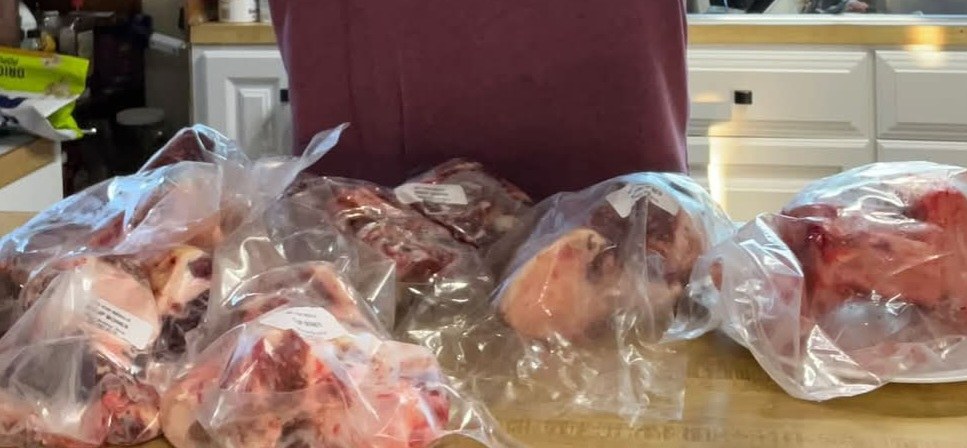
Assorted packaged raw meat cuts offer a convenient and flexible way to enjoy a variety of flavors and textures from one purchase. This assortment typically includes mixed meaty bones, skin-on pieces, and butcher trimmings, making it ideal for home cooks who appreciate cooking from scratch or preparing homemade stocks, braises, and other hearty dishes. Whether you want to maximize your meat usage or prep ingredients for multiple meals, this approach to packaging and storing raw meat cuts ensures you have fresh, ready-to-use portions at your fingertips.
With about 15 minutes of prep time, organizing and portioning your meat assortment efficiently sets you up for near-term cooking or long-term freezing. This method streamlines your kitchen workflow, reduces waste, and allows you to maintain quality without sacrificing flavor or convenience. Perfect for busy cooks who want both variety and control in their meal preparation.
Why you’ll love this Assorted Packaged Raw Meat Cuts
- Offers variety by combining different types of meat cuts, providing diverse options for roasting, braising, grinding, or stock-making.
- Allows for easy portion control, helping reduce waste and making meal planning more efficient and flexible.
- Facilitates long-term storage with proper packaging and labeling techniques, preserving freshness and flavor over time.
- Enhances flavor potential by including meaty bones and skin-on pieces that are ideal for creating rich stocks and tender braises.
- Streamlines meal prep by having ready-to-cook portions sorted by intended use, saving time on busy days.
Ingredients
- 10-12 lb assorted raw meat cuts (mixed meaty bones, skin-on pieces, and butcher trimmings)
- Freezer bags or butcher bags
- Labels for dating and identification
Choosing the right ingredients is key to making the most of your assorted raw meat cuts. The assortment typically includes a combination of bones, fat, connective tissue, and skin-on pieces, each contributing unique flavors and textures. Selecting fresh, high-quality meat from a trusted butcher ensures that your dishes will have excellent taste and mouthfeel. Look for cuts with a good ratio of meat to bone, which is particularly important for versatile cooking methods like roasting, braising, or making stock. In addition, investing in sturdy freezer or butcher bags helps maintain freshness by protecting the meat from air exposure. Clear, durable labels are essential for tracking the type and packaging date, so you can manage your inventory efficiently and avoid spoilage.
Instructions
- Sort the raw cuts. Separate the meat by type and intended cooking method, such as roasting, braising, making stock, or grinding. This helps organize portions for specific recipes and ensures you use each cut in the best way possible.
- Portion the meat. Divide the cuts into meal-sized amounts that match your usual servings or recipe requirements. Consistent portioning makes thawing and cooking more predictable and reduces waste.
- Package securely. Place each portion into clean, food-safe freezer or butcher bags. Press out as much excess air as possible to prevent freezer burn, which can dry out the meat and degrade texture.
- Label each bag. Use labels to write the type of cut and the date of packaging. This practice helps you keep track of freshness and makes meal planning simpler by knowing exactly what’s inside each bag.
- Store appropriately. Refrigerate the portions you plan to use soon, ideally within a few days, or freeze those intended for long-term storage. Proper storage temperatures are crucial to maintain quality and safety.
- Cook according to cut. For example, meaty bone-in pieces are best suited for braising or simmering to create flavorful stocks and tender meat; other cuts may be roasted or ground as desired. Adjust cooking methods to the characteristics of each cut for optimal results.
Tips for the best results
- Use fresh meat from a reputable source. This ensures safety and high-quality flavor. Fresh meat has better texture and cooks more evenly, reducing the risk of unpleasant odors or spoilage.
- Remove excess air from bags. Minimizing air inside packaging prevents freezer burn, which can cause dry spots and off-flavors. Squeezing out air or using vacuum sealing preserves moisture and texture.
- Label bags clearly with cut type and date. Clear labeling prevents confusion and helps you rotate stock properly, using older items first to maintain freshness.
- Keep portions consistent. Uniform portion sizes allow for even thawing and cooking times, making meal prep more predictable and reducing leftovers.
- Store meat in the coldest part of your freezer. This helps maintain a consistently low temperature, slowing down enzymatic activity and microbial growth, which preserves quality longer.
- Thaw frozen portions safely in the refrigerator overnight. Slow thawing preserves texture and reduces bacterial risks compared to quick thawing methods.
Variations and substitutions
- Include different animal proteins like pork, lamb, or poultry bones and trimmings to create a broader range of flavor profiles for your stocks and dishes.
- Substitute vacuum-sealed bags for freezer bags to extend shelf life by removing nearly all air and preventing freezer burn more effectively.
- Add marinade or seasoning to some portions before freezing to have ready-to-cook meals that save time on busy days and infuse flavor during thawing.
- Use ground meat instead of whole cuts if preferred for recipes like burgers, meatballs, or quick sautés, increasing versatility.
- Incorporate organ meats or specialty cuts for nutrient-rich and intensely flavored stock options, enhancing the depth of soups and sauces.
Serving suggestions
The assorted meat cuts you package lend themselves to a wide array of delicious dishes. Roast the skin-on pieces with fresh herbs and spices for a crispy, flavorful main course. Braise meaty bones slowly with vegetables and aromatics to yield tender meat and rich sauces. Simmer bones and trimmings to create deeply flavored homemade stock, perfect as a base for soups and stews. Portions are also excellent for grinding into homemade sausage or mixing into hearty casseroles. Having your meat pre-portioned and labeled means you can quickly select the right cuts for any recipe, saving time and elevating your meals with minimal fuss.
Storage and reheating
Proper packaging and labeling allow you to store assorted raw meat cuts safely in the freezer for up to six months without significant loss of quality. Refrigerate portions intended for near-term use, ideally consuming them within 2-3 days. When freezing, ensure bags are sealed tightly to avoid exposure to air and moisture. Thaw frozen meat slowly in the refrigerator overnight to maintain texture and reduce bacterial risk. When reheating cooked leftovers, do so gently over low heat or in a covered pan to preserve moisture and flavor, avoiding drying out the meat.
Frequently asked questions
What types of meat are best included in assorted raw meat cuts?
Assorted raw meat cuts can include a variety of meats such as beef, pork, lamb, or poultry. The best selections are those with a good mix of meat, bones, and connective tissue, which provide flavor and texture for different cooking methods like roasting, braising, or making stock. Including skin-on pieces adds richness and helps develop deeper flavors, especially in slow-cooked dishes.
How long can assorted raw meat cuts be stored in the freezer?
When properly packaged and sealed, assorted raw meat cuts can be stored in the freezer for up to 6 months. Beyond this period, the risk of freezer burn increases, which can negatively affect texture and flavor. For optimal taste and safety, label each package with the date and try to use the meat within this timeframe.
Can I freeze meat that has already been frozen once?
It is generally not recommended to refreeze raw meat that has been thawed, as this can degrade texture and increase the risk of bacterial contamination. Each freeze-thaw cycle causes moisture loss, resulting in drier meat. To maintain quality and safety, portion and freeze meat only once, thawing only what you plan to use promptly.
How do I prevent freezer burn when storing raw meat cuts?
To prevent freezer burn, press out as much air as possible from the packaging before sealing. Using vacuum-sealed bags is the most effective method, but tight wrapping with plastic wrap followed by freezer bags also works well. Proper packaging keeps moisture in and air out, preserving the meat’s texture and flavor during freezing.
What cooking methods work best for meaty bone-in pieces?
Meaty bone-in pieces excel in slow, moist cooking methods like braising or simmering, which break down connective tissue and release collagen, resulting in tender meat and rich, flavorful stocks. These cuts also work well for roasting when cooked low and slow to allow the meat to become tender while the skin crisps up. They are less suited for quick cooking methods, as they require time to soften.
Final thoughts
Assorted packaged raw meat cuts offer a practical, flavorful way to enjoy a variety of meats while simplifying meal preparation and storage. By carefully sorting, portioning, and packaging your cuts, you can keep your kitchen organized and your meals deliciously diverse. This method helps you maximize your meat purchases, reduce waste, and elevate your home cooking with ease. Give this approach a try to experience the convenience and taste benefits firsthand.