
Introduction
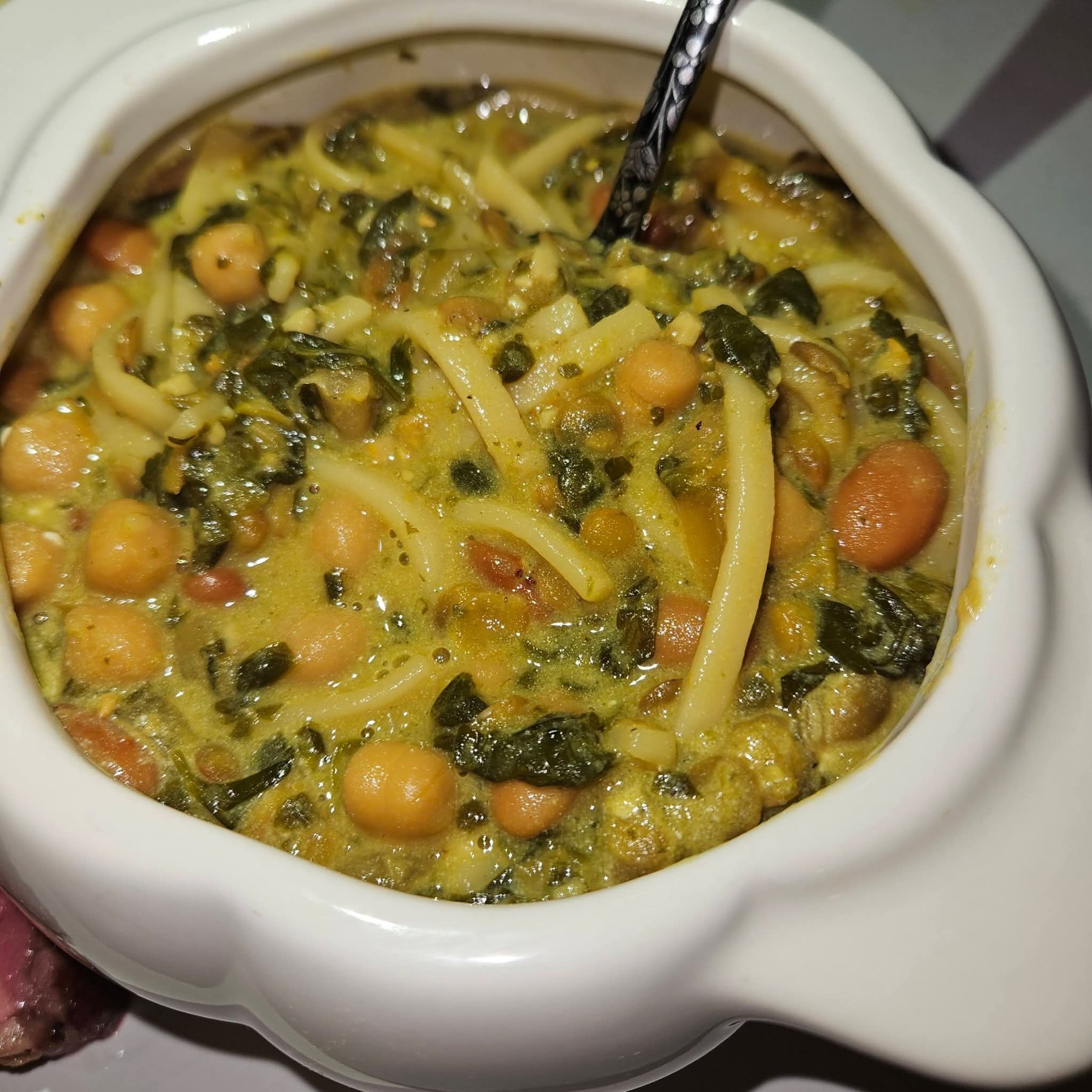
Ash Reshteh is a classic Persian herb and noodle soup loved for its rich, comforting flavors and wholesome ingredients. This traditional dish combines a variety of beans, fresh herbs, and reshteh noodles to create a hearty stew perfect for family meals or special gatherings.
Ideal for those seeking a nutritious, flavorful vegetarian soup, Ash Reshteh is satisfying and easy to prepare. With just about 20 minutes of prep and 50 minutes of cooking, you can enjoy a warm, savory bowl full of texture and aroma that truly celebrates Persian culinary heritage.
Why you’ll love this Ash Reshteh recipe
- This recipe uses a blend of beans and lentils, providing a rich source of plant-based protein and fiber.
- Fresh herbs like spinach, parsley, cilantro, and dill add vibrant flavor and nutrients to the soup.
- Reshteh noodles bring a unique texture and traditional element that sets this soup apart.
- The use of kashk or sour cream adds a tangy creaminess that balances the savory ingredients perfectly.
- It’s a versatile, vegetarian-friendly dish that can be enjoyed year-round for lunch or dinner.
Ingredients
- 2 tablespoons vegetable oil
- 2 large onions, thinly sliced
- 4 cloves garlic, minced
- 1 teaspoon ground turmeric
- 1/2 teaspoon black pepper
- 1/2 teaspoon salt, plus more to taste
- 1/2 cup brown lentils, rinsed
- 1/2 cup cooked chickpeas
- 1/2 cup cooked kidney beans or pinto beans
- 6 cups water or light stock
- 4 cups chopped spinach
- 1 cup chopped parsley
- 1 cup chopped cilantro
- 1/2 cup chopped dill
- 4 green onions, sliced
- 4 ounces reshteh or linguine broken into shorter lengths
- 1 cup kashk or 1/2 cup sour cream thinned with a little water
- 2 tablespoons dried mint
- 1 tablespoon butter or oil for the mint
This recipe serves 4-6 people and requires about 20 minutes of preparation plus 50 minutes of cooking time. The key ingredients include a variety of beans for protein and texture, fresh herbs for brightness, and reshteh noodles which can be substituted with linguine if unavailable. Kashk, a fermented dairy product, adds a distinctive tang; sour cream diluted with water can be used as an alternative. Selecting fresh, vibrant herbs and properly cooking the beans ensures the best flavor and texture.
Instructions
- Cook the onions: Heat the vegetable oil in a large pot over medium heat. Add the thinly sliced onions and cook, stirring occasionally, until they turn deeply golden brown. Reserve about one-third of the cooked onions for garnish later.
- Add spices and garlic: Stir in the minced garlic, ground turmeric, black pepper, and salt. Cook for about 1-2 minutes until the mixture is fragrant but not burnt.
- Simmer lentils: Add the rinsed brown lentils and pour in the 6 cups of water or light stock. Bring to a boil, then reduce heat and simmer for 20 minutes until the lentils start to soften.
- Add beans and herbs: Mix in the cooked chickpeas, kidney or pinto beans, chopped spinach, parsley, cilantro, dill, and sliced green onions. Continue to simmer for another 15 minutes until the greens have wilted and the soup thickens.
- Cook the noodles: Add the broken reshteh or linguine noodles to the pot. Stir frequently to prevent the noodles from sticking together. Cook until the noodles are tender, about 7-10 minutes.
- Incorporate kashk: Stir in most of the kashk, reserving some for garnishing. Simmer the soup for an additional 5 minutes. Taste and adjust salt as needed; the soup should have a savory and slightly tangy flavor.
- Prepare mint oil: In a small pan, heat the butter or oil over low heat. Add the dried mint and cook for a few seconds until it becomes aromatic, taking care not to burn it.
- Serve: Ladle the hot Ash Reshteh into bowls. Top with the reserved fried onions, extra kashk, and drizzle with the fragrant mint oil if desired.
Tips for the best results
- Cook the onions slowly to achieve a deep golden color and rich flavor without burning.
- Rinse lentils and beans well to remove any impurities and reduce foam during cooking.
- Break the noodles into shorter lengths to ensure even cooking and easier eating.
- Stir frequently when adding noodles to avoid clumping and sticking to the pot.
- Use fresh herbs for a bright and vibrant taste; dry herbs will lessen the flavor impact.
- Be cautious when heating dried mint; it burns easily and can become bitter if overcooked.
Variations and substitutions
- Use chickpeas and other beans canned for convenience, but rinse well before adding.
- Substitute reshteh noodles with linguine or thin egg noodles if unavailable.
- Replace kashk with sour cream or Greek yogurt thinned with water for a similar tangy effect.
- Add a handful of chopped fresh basil or mint leaves for a different herbal twist.
- Include small cubes of cooked beef or lamb for a non-vegetarian version.
Serving suggestions
Ash Reshteh is best served hot and makes a complete meal on its own due to its hearty beans and noodles. It pairs wonderfully with warm flatbread or crusty bread to soak up the flavorful broth. A simple side salad with cucumbers and tomatoes dressed lightly with lemon juice complements the rich herbaceous soup beautifully. Garnish generously with reserved fried onions, extra kashk, and mint oil for authentic taste and presentation.
Storage and reheating
Store leftover Ash Reshteh in an airtight container in the refrigerator for up to 3 days. The soup thickens as it cools; add a splash of water or stock when reheating to restore the desired consistency. Reheat gently on the stove over medium-low heat, stirring occasionally to prevent sticking. This dish also freezes well for up to 2 months; thaw overnight in the refrigerator before reheating.
Frequently asked questions
What is reshteh and can I use other noodles?
Reshteh are traditional Persian flat noodles similar in size to linguine. If you cannot find reshteh, broken linguine or thin egg noodles make excellent substitutes, providing similar texture and cooking times.
Can I make Ash Reshteh vegan?
Yes, you can make a vegan version by replacing kashk with a plant-based yogurt or sour cream alternative. Ensure any butter used for mint oil is substituted with vegetable oil or vegan margarine.
How long can I store Ash Reshteh?
Stored in the refrigerator, Ash Reshteh remains fresh for up to 3 days. For longer storage, freeze in airtight containers for up to 2 months. Always reheat thoroughly before serving.
What is kashk and where can I find it?
Kashk is a fermented whey product common in Persian cooking, offering a distinct tangy flavor. It can often be found in Middle Eastern or Persian specialty stores. Sour cream diluted with a little water is a practical substitute if kashk is unavailable.
Can I prepare Ash Reshteh ahead of time?
Yes, Ash Reshteh can be prepared a day in advance. The flavors deepen overnight, making it even more delicious. Reheat gently and adjust seasoning before serving.
Final thoughts
Ash Reshteh is a beautifully balanced and nourishing Persian soup that brings together hearty beans, fresh herbs, and tender noodles in a flavorful broth. Whether you’re new to Persian cuisine or looking for a comforting vegetarian dish, this recipe is sure to become a favorite. Give it a try and enjoy a taste of traditional Persian home cooking in your own kitchen.