
Introduction
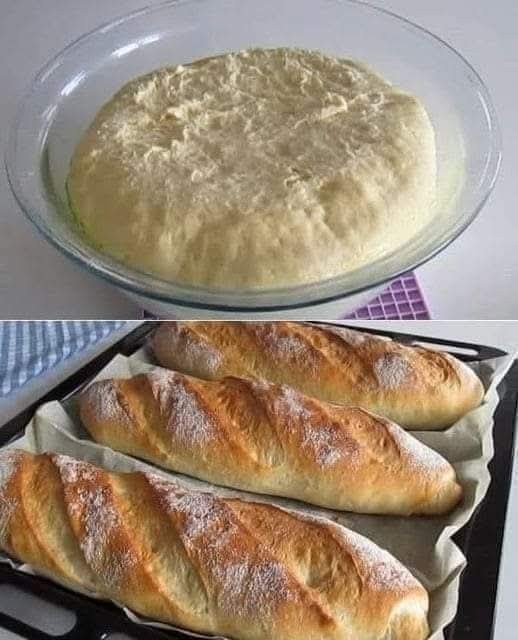
The French Batard is a classic bread known for its short, torpedo-like shape and a delightful balance of crispy crust and soft crumb. This recipe yields three small loaves, ideal for sharing or enjoying fresh throughout the week. Whether you’re a beginner or an experienced baker, this straightforward method helps you achieve authentic French bread with minimal fuss.
With about 25 minutes of active prep plus rising time and a quick 20 to 25 minutes baking time, this recipe fits nicely into a day when you want fresh homemade bread without spending hours in the kitchen. The combination of simple ingredients like bread flour, yeast, water, salt, and a touch of sugar creates a flavorful loaf that’s perfect for sandwiches, toasts, or alongside soups and salads.
Why you’ll love this French Batard Bread Recipe
- This recipe produces a crusty exterior with a tender, chewy interior, capturing the true essence of French bread.
- The dough is easy to handle and shape, making it accessible even for home bakers with limited experience.
- The recipe yields three small loaves, which is perfect for small families or meal prepping for the week.
- The use of simple, everyday ingredients means you don’t need specialty items to enjoy authentic French bread.
- The baking process includes a steam method to enhance the crust, resulting in bakery-quality bread at home.
Ingredients
- 500 g bread flour
- 350 ml lukewarm water
- 7 g active dry yeast
- 10 g fine salt
- 1 tsp sugar
- Extra flour for dusting
This recipe uses bread flour, which has a higher protein content than all-purpose flour, helping develop gluten for a better structure and chewiness. Choose fresh active dry yeast to ensure proper rising and fermentation. Lukewarm water activates the yeast gently without killing it, while salt controls yeast activity and enhances flavor. The small amount of sugar feeds the yeast to promote a good rise and browning during baking. Dusting flour prevents sticking during shaping and scoring.
Instructions
- Activate the yeast: In a large bowl, dissolve the yeast and sugar in lukewarm water. Let it stand for 5 to 10 minutes until the mixture becomes foamy, signaling the yeast is active.
- Mix the dough: Add the bread flour and salt to the yeast mixture. Stir until a shaggy dough forms, ensuring all flour is incorporated.
- Knead the dough: Knead the dough by hand or with a mixer for 8 to 10 minutes until it becomes smooth and elastic, which indicates good gluten development.
- First rise: Place the dough in a lightly oiled bowl, cover it, and let it rise in a warm place until doubled in size, about 1 to 1 1/2 hours.
- Divide the dough: Turn the dough out onto a lightly floured surface. Divide it into three equal pieces for small loaves.
- Shape the loaves: Shape each piece into a short, torpedo-shaped loaf (batard), tightening the surface as you roll to create tension in the dough.
- Second rise (proofing): Place the loaves seam-side down on a parchment-lined baking tray, leaving space between them. Cover loosely and let them proof for 30 to 45 minutes until puffy.
- Preheat oven and prepare loaves: Preheat your oven to 230°C (450°F). Dust the loaves lightly with flour and make 3 to 4 diagonal slashes across each loaf using a sharp knife or lame.
- Bake with steam: Bake the loaves for 20 to 25 minutes until deeply golden and crisp. For an improved crust, add steam by placing a small tray of hot water at the bottom of the oven at the start of baking.
- Cool before slicing: Remove the loaves from the oven and cool completely on a wire rack before slicing to avoid a gummy texture.
Tips for the best results
- Use bread flour for better gluten development and a chewier crumb texture.
- Make sure the water is lukewarm (about 38°C/100°F) to activate the yeast without killing it.
- Knead thoroughly until the dough is smooth and elastic to build strength and structure.
- Allow the dough to rise in a warm, draft-free spot for consistent fermentation.
- Use a sharp blade to score the loaves just before baking to control expansion and create attractive patterns.
- Adding steam during baking helps form a crisp, glossy crust typical of French bread.
Variations and substitutions
- Whole wheat flour: Substitute up to half the bread flour with whole wheat for a nuttier flavor and denser crumb.
- Herbs: Add dried herbs like rosemary or thyme to the dough for aromatic variations.
- Olive oil: Replace a small amount of water with olive oil to enrich the dough and add subtle flavor.
- Seed topping: Brush loaves with water and sprinkle seeds (sesame, poppy) before baking for extra crunch and taste.
- Sourdough starter: Replace the commercial yeast with sourdough starter for a tangy flavor and longer fermentation.
Serving suggestions
French Batard bread is incredibly versatile. Serve slices fresh with butter and jam for breakfast or use it as a base for sandwiches filled with meats, cheeses, and fresh vegetables. It also pairs beautifully with soups, stews, and salads, soaking up broths and sauces perfectly. Toast slices to bring out nutty flavors and enjoy with dips or spreads. Its crusty exterior and soft interior make it a crowd-pleaser at any meal.
Storage and reheating
Store your French Batard loaves in a paper bag or bread box to maintain the crust’s crispness while keeping the crumb soft. Avoid plastic bags as they trap moisture and soften the crust. For longer storage, slice and freeze the bread, then toast or warm slices directly from frozen. To refresh the crust after storage, briefly heat the bread in a preheated oven at 180°C (350°F) for 5 to 10 minutes.
Frequently asked questions
What is the difference between a Batard and a Baguette?
A Batard is a shorter, thicker loaf with a rounded, torpedo shape, whereas a baguette is longer, thinner, and more uniform in width. Both have similar crusty exteriors and airy interiors, but the Batard offers a slightly chewier crumb due to its shape and baking style.
Can I use instant yeast instead of active dry yeast?
Yes, you can substitute instant yeast for active dry yeast in this recipe. Use about 25% less instant yeast and add it directly to the flour without dissolving it in water first. Adjust rising times as needed based on dough behavior.
Why is steam important when baking French bread?
Steam in the oven delays crust formation, allowing the bread to expand fully and develop a glossy, crisp crust. It also helps create the characteristic crackly texture and enhances browning for a more flavorful crust.
How can I tell when the bread is fully baked?
Fully baked bread will have a deep golden brown color and sound hollow when tapped on the bottom. Using a thermometer, the internal temperature should reach around 93°C (200°F) for optimal doneness.
Can I make this dough ahead of time?
Yes, you can prepare the dough and refrigerate it after the first rise for up to 24 hours. This slow fermentation develops flavor. Bring the dough back to room temperature before shaping and proceed with proofing and baking.
Final thoughts
Making French Batard bread at home is a rewarding experience that brings authentic bakery flavors to your kitchen. With simple ingredients and clear steps, you can enjoy fresh, crusty loaves perfect for any occasion. Give this recipe a try and discover the joy of homemade French bread that fills your home with irresistible aroma and taste.