
Introduction
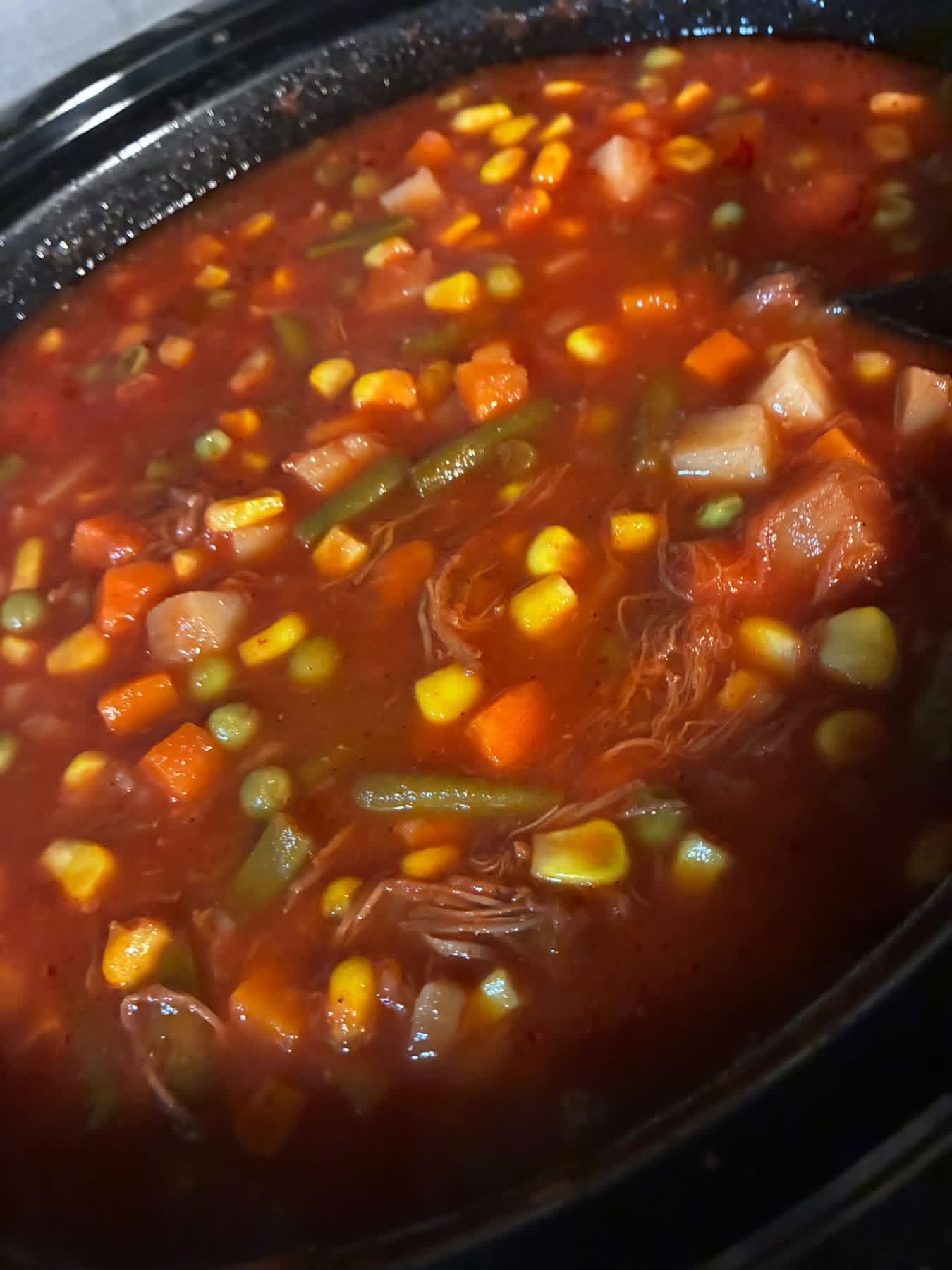
Vegetable Beef Soup is a classic comfort dish that brings together tender, slow-cooked beef and a vibrant mix of fresh vegetables in a rich, tomato-based broth. This hearty soup is perfect for those seeking a wholesome and satisfying meal, especially during chilly days when a warm bowl is just what you need. Whether you’re cooking for a family dinner or preparing meals ahead for the week, this recipe offers simplicity without sacrificing depth of flavor.
With a straightforward preparation process and slow cooking that allows flavors to meld beautifully, you’ll end up with melt-in-your-mouth beef and vegetables that are cooked to tender perfection. The balanced combination of ingredients makes this soup an excellent choice for home cooks wanting a nutritious, filling dish that’s easy to customize and versatile enough for any kitchen setup.
Why you’ll love this Vegetable Beef Soup
- This soup uses tender beef chuck that transforms into melt-in-your-mouth softness after slow cooking, delivering rich flavor with every bite.
- A colorful variety of vegetables including potatoes, carrots, green beans, corn, and peas provides a nutritional boost alongside texture contrast.
- The tomato-based broth adds a delightful tang and depth, perfectly enhancing the savory elements of the beef and vegetables.
- The recipe is highly adaptable, suitable for both slow cooker and stovetop methods, fitting your schedule and kitchen equipment.
- This soup holds up well as leftovers and freezes beautifully, making it an ideal option for meal prepping or quick reheating on busy days.
Ingredients
- 1 1/2 lb beef chuck roast or stew beef
- 1 tbsp vegetable oil
- 1 medium onion, diced
- 2 cloves garlic, minced
- 4 cups beef broth
- 1 can (28 oz) crushed tomatoes
- 2 tbsp tomato paste
- 2 medium potatoes, peeled and diced
- 2 carrots, diced
- 1 1/2 cups cut green beans
- 1 cup corn kernels
- 1 cup peas
- 1 tsp Worcestershire sauce
- 1 tsp kosher salt, plus more to taste
- 1/2 tsp black pepper
- 1/2 tsp dried thyme
- 1 bay leaf
This recipe serves 6 to 8 people and involves about 20 minutes of preparation time followed by 4 to 8 hours of cooking, depending on your chosen method. The key to its rich flavor and tender texture lies in selecting quality beef chuck, known for its marbling and suitability for slow cooking which breaks down connective tissue beautifully. Fresh vegetables like potatoes and carrots are excellent choices as they soak up the savory broth while adding natural sweetness and body. Opt for a good quality beef broth and canned crushed tomatoes to ensure your soup has the perfect depth and consistency every time.
Instructions
- Season and brown the beef: Sprinkle the beef with salt and pepper. Heat vegetable oil in a pot or skillet over medium-high heat and brown the beef on all sides. This step locks in flavor and creates a rich base. Transfer the browned beef to your slow cooker or soup pot.
- Sauté aromatics: Add diced onion and minced garlic to the pot and cook briefly until fragrant and translucent, about 2-3 minutes.
- Add liquids and vegetables: Stir in beef broth, crushed tomatoes, and tomato paste. Then add the diced potatoes, carrots, green beans, corn kernels, peas, Worcestershire sauce, dried thyme, and bay leaf.
- Cook the soup: For slow cooker: cover and cook on low for 7-8 hours or on high for 4-5 hours until the beef is very tender. For stovetop: bring to a gentle simmer, cover, and cook for about 2 hours. Add quick-cooking vegetables like green beans, corn, and peas during the last 30-40 minutes if preferred for texture.
- Shred beef and season: Use two forks to shred the beef directly in the soup, discarding any large fat pieces. Taste and adjust salt and pepper as needed. Remove the bay leaf before serving.
Tips for the best results
- Choose beef chuck roast or stew beef: This cut has just the right amount of fat and connective tissue that breaks down slowly, resulting in tender, flavorful meat that enhances the soup’s richness.
- Brown the beef thoroughly: Caramelizing the meat creates complex Maillard reaction flavors that deepen the soup’s savory profile, making it more satisfying and aromatic.
- Cook low and slow: Allowing the soup to simmer gently over several hours tenderizes the beef perfectly and lets the vegetables absorb the broth’s flavors without turning mushy.
- Add delicate vegetables late: Introducing peas and green beans near the end of cooking preserves their bright color, crisp texture, and fresh flavor, preventing overcooking.
- Adjust seasoning gradually: Since broth and canned tomatoes contribute saltiness, add salt slowly and taste often to avoid over-seasoning your soup.
- Skim off excess fat: Removing fat floating on the surface before serving results in a cleaner, less greasy broth, improving the overall eating experience.
Variations and substitutions
- Swap beef for lamb or venison: These meats offer a richer, gamey flavor that pairs beautifully with the hearty vegetables and tomato broth.
- Use sweet potatoes instead of regular potatoes: Sweet potatoes add a subtle sweetness and earthiness that complements the savory beef and tangy tomatoes well.
- Add barley or small pasta: Incorporating grains like barley or pasta such as orzo makes the soup heartier and more filling, perfect for colder days.
- Use frozen green beans: If fresh green beans aren’t available, frozen ones work well and can be added directly without thawing, maintaining convenience.
- Spice it up: For a touch of heat, add red pepper flakes or smoked paprika to introduce a smoky, spicy note that brightens the soup.
Serving suggestions
Serve your Vegetable Beef Soup steaming hot alongside crusty bread or soft dinner rolls that are perfect for dipping and soaking up the delicious broth. A crisp, lightly dressed green salad adds a refreshing contrast to the richness of the soup, balancing the meal. For dessert, opt for something light and fresh like a fruit salad or a yogurt parfait to finish on a clean, satisfying note without feeling too heavy. This combination makes for a well-rounded, comforting dinner ideal for family gatherings or a cozy weeknight meal.
Storage and reheating
Store any leftover Vegetable Beef Soup in an airtight container in the refrigerator, where it will keep well for up to 4 days. When reheating, warm it gently on the stovetop over medium heat, stirring occasionally to prevent the vegetables and meat from sticking or burning. For longer storage, freeze the soup in freezer-safe containers or heavy-duty zip-top bags for up to 3 months. Thaw frozen soup overnight in the refrigerator before reheating to help preserve the texture of the beef and vegetables, ensuring your soup tastes just as good as freshly made.
Frequently asked questions
Can I use ground beef instead of beef chuck?
Ground beef cooks much faster than beef chuck but does not provide the same tender, shredded texture that slow-cooked chuck delivers. If you choose ground beef, brown it thoroughly to develop flavor and shorten the cooking time significantly since ground meat becomes tender quickly. Keep in mind the soup’s texture and mouthfeel will differ, leaning more toward a stew than a shredded beef soup.
Is it necessary to brown the beef before cooking?
Browning the beef is an important step that adds depth of flavor through caramelization, creating a richer, more complex broth. While you can skip this step if short on time, the soup will lack some of the robust, savory notes that browned meat imparts. Taking the extra few minutes to brown the beef enhances the overall taste and aroma significantly.
Can I make this soup on the stovetop only?
Absolutely, this soup adapts well to stovetop cooking. Simmer the ingredients gently for about 2 hours until the beef is tender. Adding quick-cooking vegetables like green beans, corn, and peas during the last 30 to 40 minutes helps maintain their texture and color. Stovetop cooking offers more control over temperature and timing, which can be useful for adjusting the soup to your preference.
What can I substitute for Worcestershire sauce?
If Worcestershire sauce is unavailable, soy sauce or a splash of balsamic vinegar are good alternatives that provide a similar umami boost and depth. Use these substitutes sparingly and adjust according to taste, as they can vary in saltiness and acidity, ensuring they complement but do not overpower the soup’s other flavors.
Can I use fresh tomatoes instead of canned crushed tomatoes?
Fresh tomatoes can be used, but they require more preparation such as peeling and chopping, and may alter the soup’s texture and consistency. Canned crushed tomatoes offer convenience and a consistent, smooth texture that blends seamlessly into the broth. If using fresh tomatoes, consider cooking them down to a sauce-like consistency before adding to the soup to mimic the canned version.
Final thoughts
Vegetable Beef Soup is a timeless and deeply satisfying dish that brings together nourishing ingredients for a comforting meal any time of year. Its straightforward preparation, flexibility, and rich flavor profile make it a go-to recipe for home cooks looking to create a hearty, nutritious soup with minimal fuss. Try this recipe and experience the warmth, flavor, and wholesome goodness it brings to your table—perfect for sharing with loved ones or enjoying as a cozy solo meal.