
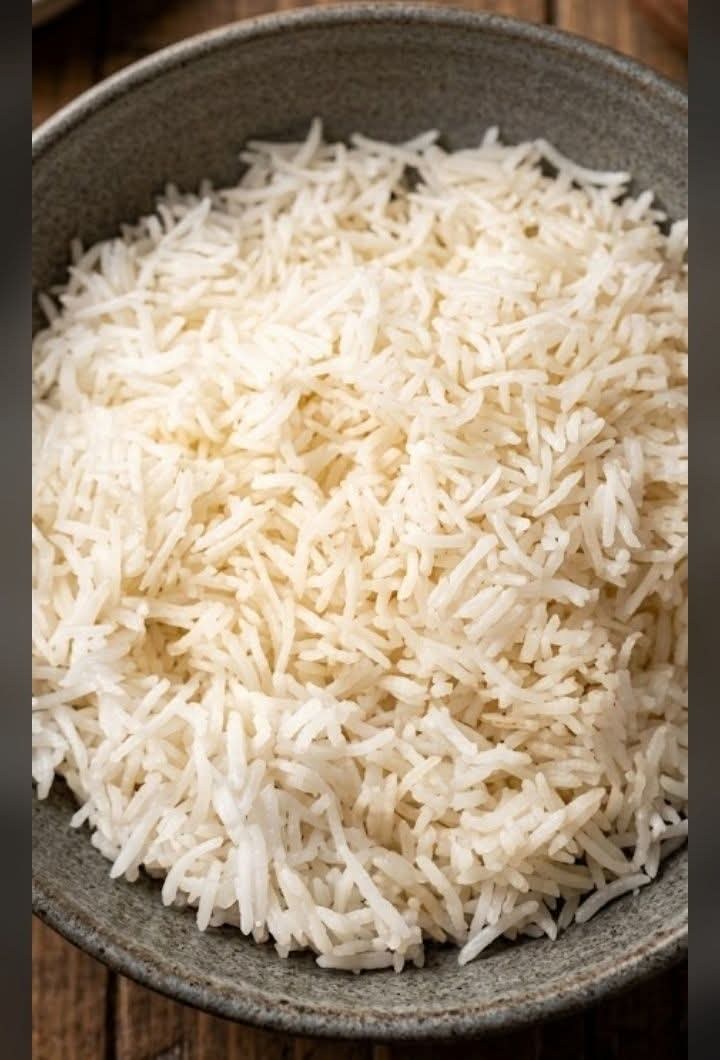
Steamed Basmati Rice is a fragrant and fluffy side dish cherished worldwide for its delicate texture and distinctive nutty aroma. This recipe is ideal for anyone looking for a dependable and easy-to-make rice option that pairs wonderfully with a variety of cuisines, from rich Indian curries to vibrant Middle Eastern stews.
With just a handful of simple ingredients and clear, straightforward steps, you can prepare perfectly steamed basmati rice in under 40 minutes. Whether you’re a novice cook or a seasoned home chef, this method guarantees consistently excellent results every time.
Why you’ll love this Steamed Basmati Rice recipe
- It produces light and fluffy rice with separate grains, avoiding mushiness and clumping.
- The soaking step enhances the texture by hydrating the grains, reducing cooking time, and ensuring perfect tenderness.
- Minimal ingredients make it quick, simple, and budget-friendly, perfect for everyday meals.
- Optional additions like oil or butter add subtle richness and deepen the flavor profile without overpowering the rice’s natural aroma.
- Versatile side dish that complements an extensive range of dishes from different global cuisines, enhancing your meal variety.
Ingredients
- 1 cup basmati rice
- 1 1/2 cups water
- 1/2 teaspoon kosher salt
- 1 teaspoon neutral oil or 1 tablespoon butter (optional)
This recipe yields about 4 side servings and requires approximately 25 minutes of prep time, 12 minutes of cooking, and 10 minutes of resting. The star ingredient is basmati rice, renowned for its long, slender grains and aromatic qualities. When selecting basmati rice, opt for aged varieties as they possess a more pronounced fragrance and firmer texture, which contribute to better cooking results. Fresh water is essential for rinsing the rice thoroughly to remove excess starch, which helps prevent the grains from sticking together during cooking.
Instructions
- Rinse the rice: Place the basmati rice in a bowl and rinse under cold water several times until the water runs mostly clear to remove excess starch.
- Soak the rice: Soak the rinsed rice in fresh cold water for 20 minutes, then drain thoroughly to improve texture and shorten cooking time.
- Combine ingredients: Add the soaked rice, 1 1/2 cups water, 1/2 teaspoon kosher salt, and optional oil or butter to a saucepan with a tight-fitting lid.
- Bring to a boil: Heat over medium-high until the water reaches a rolling boil.
- Simmer gently: Stir once to distribute ingredients, then reduce the heat to very low. Cover the pot tightly and cook undisturbed for 12 minutes.
- Steam off heat: Remove the saucepan from the heat and let the rice steam, still covered, for 10 minutes to finish cooking and absorb moisture evenly.
- Fluff and serve: Gently fluff the rice with a fork to separate grains and serve immediately.
Tips for the best results
- Rinse rice thoroughly: This removes surface starch, which is the main culprit behind sticky and clumpy rice. Washing until the water runs clear ensures minimal starch remains on the grains.
- Soak the rice: Soaking allows the grains to absorb water before cooking, which promotes even cooking and results in light, fluffy rice with a tender bite rather than a gummy texture.
- Use a heavy-bottomed pot with a tight lid: A heavy base distributes heat evenly, preventing hot spots that can burn or undercook the rice. A tight lid traps steam, essential for proper cooking and moisture retention.
- Do not lift the lid during cooking or steaming: Opening the lid releases steam and heat, disrupting the cooking process and potentially causing uneven texture or undercooked grains.
- Adjust water for texture preferences: If you prefer firmer rice, slightly reduce the water. For softer, stickier rice, increase water by a tablespoon or two. Keep notes for future batches to perfect your preferred texture.
- Fluff gently with a fork: Using a fork rather than stirring vigorously prevents breaking the delicate grains and helps maintain the integrity of each individual grain, enhancing the fluffy appearance.
Variations and substitutions
- Butter instead of oil: Using butter adds a creamy richness and slightly nutty flavor that complements the natural aroma of basmati rice.
- Add whole spices: Incorporate bay leaves, cardamom pods, or cloves during cooking to infuse subtle aromatic notes without overpowering the rice.
- Use broth instead of water: Substitute vegetable or chicken broth for water to impart savory depth and complexity to the rice.
- Mix in toasted nuts or dried fruits: After cooking, stir in toasted almonds, cashews, or raisins to add texture contrast and a touch of natural sweetness.
- Substitute jasmine rice: For a different fragrant profile, use jasmine rice, but adjust water and cooking times as jasmine rice tends to be softer and requires less cooking time.
Serving suggestions
Steamed basmati rice pairs beautifully with a variety of flavorful dishes such as spicy Indian curries, stir-fried vegetables, grilled meats, and hearty vegetable stews. Its light, fluffy texture acts as a perfect canvas that balances rich sauces and complex spices. Use it as a base for rice bowls topped with fresh herbs like cilantro or mint, sautéed vegetables, or your choice of protein to create wholesome meals. For a simple yet refreshing side, serve the rice with a squeeze of fresh lemon juice and a sprinkle of chopped cilantro to brighten the flavors and add a fresh herbal note.
Storage and reheating
To store leftover steamed basmati rice, transfer it to an airtight container and refrigerate promptly. It will keep well for up to 3 days. When reheating, add a few drops of water over the rice to restore moisture and prevent drying out. Cover the container to trap steam and heat gently in the microwave or on the stovetop until warmed through. Avoid overheating, as this can cause the grains to harden or become mushy. For best texture, fluff the rice gently after reheating.
Frequently asked questions
How do I prevent basmati rice from being sticky?
Sticky rice usually results from excess surface starch and improper cooking technique. Thoroughly rinsing the rice removes starch that causes clumping. Soaking the rice before cooking hydrates the grains evenly, preventing them from sticking together. Cooking on low heat with a tight-fitting lid and avoiding stirring during cooking and steaming preserves the grain separation. These steps combined yield fluffy, separate grains every time.
Can I use a rice cooker for steamed basmati rice?
Yes, a rice cooker is a convenient and reliable tool for cooking basmati rice. Use the same rice-to-water ratio (1 cup rice to 1 1/2 cups water) and follow your rice cooker’s instructions. It’s still beneficial to rinse and soak the rice beforehand as this improves texture and reduces cooking time. The rice cooker’s automatic settings ensure consistent heat and timing, making it especially helpful for busy cooks.
What is the difference between basmati and jasmine rice?
Basmati rice is known for its long, slender grains and nutty aroma, producing a firmer, fluffier texture when cooked. Jasmine rice has slightly shorter grains and offers a floral, sweet scent with a softer, stickier texture. Both are aromatic varieties but suit different culinary uses based on their unique flavors and textures.
Can I add spices or herbs while cooking the rice?
Absolutely! Adding whole spices like cardamom pods, cloves, or bay leaves during the cooking process infuses the rice with subtle, fragrant notes that enhance its flavor without overpowering it. Be sure to remove any whole spices before serving to maintain a pleasant texture and taste.
How much water should I use for fluffy basmati rice?
The typical ratio is 1 1/2 cups of water for every 1 cup of basmati rice, which balances moisture for fluffy, separate grains. Adjust the water slightly based on how long you soak the rice and your texture preference—less water for firmer grains, more for softer rice. Keeping track of adjustments helps you perfect your ideal texture.
Final thoughts
Steamed Basmati Rice is a versatile and essential side dish that elevates any meal with its fragrant aroma and perfectly fluffy texture. This straightforward recipe, with its simple ingredients and easy-to-follow method, allows you to consistently prepare restaurant-quality rice at home. Whether served alongside spicy curries or as a base for vibrant rice bowls, it offers endless possibilities. Give this recipe a try and enjoy the satisfying comfort of perfectly cooked basmati rice every time.