
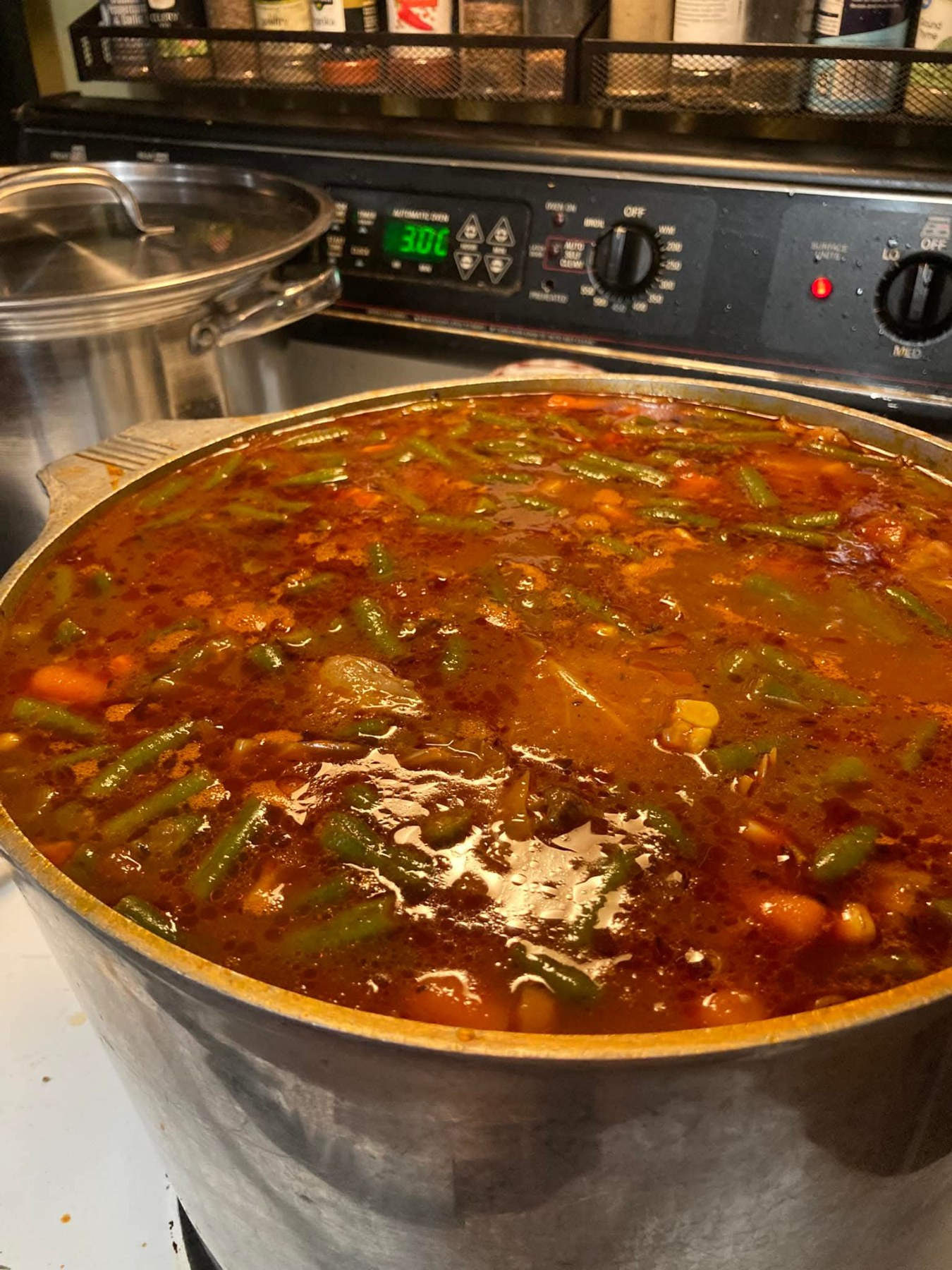
Cabbage Vegetable Soup is a wholesome and comforting dish that perfectly combines fresh vegetables and savory broth in one satisfying bowl. This soup is ideal for anyone looking for a nutritious, fiber-rich meal that is both simple to prepare and versatile enough for family gatherings or weekly meal prep. Its hearty nature and vibrant flavors make it a go-to option for those seeking a healthy, delicious way to enjoy a variety of vegetables.
With a prep time of just 20 minutes and a cook time of 45 minutes, this recipe yields 8 to 10 generous servings, making it ideal for feeding a crowd or having nourishing leftovers throughout the week. The blend of cabbage, green beans, carrots, and tomatoes creates a vibrant, flavorful soup that warms the soul and helps increase your daily vegetable intake effortlessly.
Why you’ll love this Cabbage Vegetable Soup
- This soup is packed with a variety of fresh vegetables, providing essential vitamins and minerals to support a balanced diet.
- It’s straightforward to make using simple ingredients commonly found in most kitchens, perfect for beginner or busy cooks.
- The broth base can be customized with either vegetable or beef stock, allowing flexibility to suit vegetarian or meat-eating preferences.
- Low in calories but high in dietary fiber, it’s a filling option that helps promote digestion and keeps you satisfied longer.
- Perfect for batch cooking, this soup reheats exceptionally well and often tastes even better the next day as the flavors deepen.
Ingredients
- 2 tablespoons vegetable oil
- 1 large onion, diced
- 3 cloves garlic, minced
- 4 carrots, sliced
- 4 cups green beans, cut into 1-inch pieces
- 1/2 small green cabbage, chopped
- 1 can (28 ounces) crushed tomatoes
- 8 cups vegetable broth or beef broth
- 1 can (15 ounces) corn, drained, or 1 1/2 cups frozen corn
- 1 teaspoon paprika
- 1 teaspoon dried oregano
- 1/2 teaspoon dried thyme
- 1 bay leaf
- 1 1/2 teaspoons kosher salt, plus more to taste
- 1/2 teaspoon black pepper
- 1 tablespoon tomato paste (optional)
This recipe uses a wholesome mix of fresh and pantry staples that come together to create a deeply flavorful and nutritious soup. When selecting your vegetables, choose firm carrots with vibrant orange color and crisp green beans without blemishes or softness to ensure the best texture in your finished soup. The cabbage should be fresh, with bright green leaves and no signs of wilting or discoloration. High-quality crushed tomatoes and broth are essential for a rich, well-rounded flavor — opting for low-sodium broth allows you to better control seasoning. You can easily tailor the soup for vegetarians by using vegetable broth or choose beef broth for a heartier taste, making this recipe flexible for all dietary preferences.
Instructions
- Heat the oil: In a large stockpot over medium heat, warm 2 tablespoons of vegetable oil until shimmering and hot enough to gently sizzle a piece of onion.
- Sauté the onion: Add the diced onion and cook for about 5 minutes, stirring occasionally until softened and translucent, which builds a flavorful base for the soup.
- Add garlic: Stir in the minced garlic and cook for an additional 30 seconds, just long enough to release its aromatic oils without burning.
- Cook vegetables: Add the sliced carrots and green beans, cooking for 3 to 4 minutes while stirring to combine and slightly soften the vegetables, enhancing their natural sweetness.
- Add remaining ingredients: Incorporate the chopped cabbage, crushed tomatoes, broth, corn, paprika, oregano, thyme, bay leaf, salt, pepper, and tomato paste if using, stirring well to combine all flavors evenly.
- Bring to a boil: Increase heat to high and bring the mixture to a rolling boil, which helps meld the flavors and start the cooking process for the cabbage and beans.
- Simmer gently: Reduce heat to low, cover partially or leave uncovered, and simmer for 35 to 45 minutes until the vegetables are tender and the flavors have fully blended together.
- Season and serve: Taste the soup and adjust salt and pepper as needed. Remove the bay leaf, ladle into bowls, and serve hot for maximum comfort and flavor.
Tips for the best results
- Use fresh vegetables: Fresh produce ensures the best texture and vibrant flavor. Older vegetables can become mushy and dull the overall taste.
- Don’t rush the sautéing of onions and garlic: Taking the time to soften onions and gently cook garlic releases their natural sweetness and builds a complex flavor foundation for the soup.
- Simmer the soup gently: A gentle simmer allows flavors to develop fully without breaking down the vegetables too much, preserving their texture and nutrients.
- Adjust seasoning gradually: Adding salt and pepper in increments and tasting near the end prevents over-salting and ensures balanced seasoning.
- For thicker soup: Mash some of the cooked vegetables with a spoon or add a bit more tomato paste to create a heartier texture without extra calories.
- Broth choice matters: Use vegetable broth for a lighter, vegetarian-friendly soup or beef broth for a richer, more robust flavor profile.
Variations and substitutions
- Protein boost: Add cooked beans or lentils to increase protein content and add a satisfying texture to the soup.
- Spice it up: Incorporate a pinch of cayenne pepper or crushed red pepper flakes during cooking for a gentle kick of heat.
- Leafy greens: Substitute or add kale, spinach, or Swiss chard for additional nutrients and a variation in texture.
- Root vegetables: Try adding diced potatoes, parsnips, or turnips for a heartier, more filling soup especially during colder months.
- Herb swap: Use fresh herbs like thyme and oregano if available to provide a brighter, more aromatic flavor than dried herbs.
Serving suggestions
This cabbage vegetable soup pairs wonderfully with crusty bread or warm dinner rolls that can soak up the flavorful broth, making each bite more satisfying. A light side salad with a tangy vinaigrette adds freshness and balances the warm soup. For a more filling meal, serve alongside a grain such as quinoa, brown rice, or barley, which complements the soup’s texture and adds extra nutrition. Garnishing with fresh parsley or a sprinkle of grated Parmesan cheese adds a lovely finishing touch and enhances the overall flavor profile. This soup is an excellent choice for lunch or a light dinner, especially on cooler days when you crave something warm and nourishing.
Storage and reheating
Store any leftover cabbage vegetable soup in an airtight container in the refrigerator for up to 4 days. The flavors continue to meld and deepen during refrigeration, often making the soup taste even better the next day. For longer storage, freeze the soup in portioned containers or freezer bags for up to 3 months. When reheating, warm gently on the stovetop over medium heat, stirring occasionally to heat evenly and prevent sticking. Avoid boiling after reheating to preserve the texture of the vegetables and maintain the soup’s fresh taste.
Frequently asked questions
Can I use frozen vegetables instead of fresh?
Yes, frozen vegetables can be used as a convenient alternative when fresh produce is unavailable. Keep in mind that frozen vegetables tend to release more water as they cook, which may slightly thin the soup. You might need to reduce the amount of broth or simmer the soup a bit longer to achieve your desired consistency. Also, frozen veggies are usually pre-trimmed and cut, saving prep time.
Is this soup suitable for vegetarians?
Absolutely. This soup is easily adapted for vegetarians by using vegetable broth instead of beef broth. The combination of tomato paste, herbs, and a variety of fresh vegetables creates a flavorful, hearty dish that stands on its own without any meat. For added protein, you can include beans or lentils while keeping it vegetarian-friendly.
Can I make this soup in a slow cooker?
Yes, this recipe is well-suited for slow cooker preparation. After sautéing the onions and garlic on the stovetop to develop flavor, transfer all ingredients to the slow cooker. Cook on low for 6 to 8 hours or on high for 3 to 4 hours until the vegetables are tender and the flavors meld beautifully. This method is convenient for busy days and enhances the depth of flavor.
How can I make the soup spicier?
To add heat, incorporate crushed red pepper flakes, cayenne pepper, or a dash of your favorite hot sauce during cooking. Start with small amounts and taste as you go to avoid overpowering the natural flavors of the soup. Adding spicy elements towards the end of cooking preserves their pungency and freshness.
What can I do if the soup tastes bland?
If your soup lacks depth or tastes bland, try gradually adding more salt to enhance the flavors. A splash of vinegar or fresh lemon juice can brighten the overall taste, balancing the richness of the broth and tomatoes. Adding an extra spoonful of tomato paste deepens the umami flavor. Additionally, simmering the soup a little longer allows flavors to concentrate and develop complexity.
Final thoughts
This Cabbage Vegetable Soup recipe is a delightful way to enjoy a variety of fresh vegetables in a nourishing and flavorful meal. Easy to prepare and versatile, it adapts well to many dietary preferences and occasions. Whether you’re cooking for a family, meal prepping for the week, or simply craving a comforting bowl of soup, this recipe delivers satisfying homemade goodness that will keep you coming back for more. Give it a try and savor the wholesome flavors!