
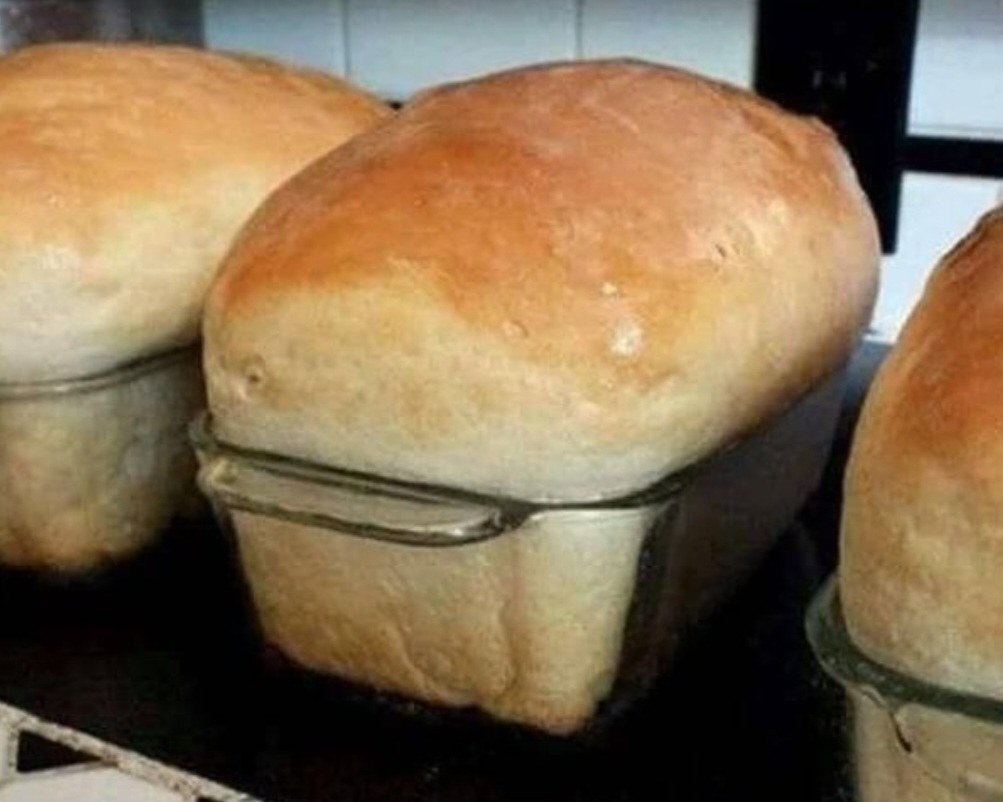
Homemade white sandwich bread is one of those recipes that changes how you think about everyday bread. Soft, tender and lightly sweet, this loaf slices beautifully for sandwiches, toast and french toast, and it has a delicate crumb that store-bought bread rarely matches. This recipe makes two full loaves, so you can enjoy one right away and freeze the other for later.
This recipe is designed for home bakers who are comfortable with the basics of yeast but want a reliable, straightforward method. You do not need any special equipment beyond two standard loaf pans, a large mixing bowl and a wire rack. With a little patience during the rising times, you will end up with a classic sandwich loaf that tastes as good as it looks.
Why you’ll love this homemade white sandwich bread
- The soft, fluffy crumb is ideal for sandwiches that hold together without tearing.
- Milk and butter give the loaf a rich flavor and a tender texture that lasts for days.
- The recipe yields two loaves, so it is a practical choice for families or for batch baking.
- Using simple pantry ingredients means you can bake it without a special trip to the store.
- Each slice is consistent and even, making it perfect for everyday lunches and toast.
Ingredients
Servings: 2 loaves (about 12 slices each)
Prep time: 20 minutes, plus 1.5 to 2 hours of rising
Cook time: 30 minutes
- 6 cups (750 g) bread flour or all-purpose flour, plus extra for kneading
- 2 1/4 tsp (1 packet) active dry yeast
- 2 tbsp (25 g) granulated sugar
- 2 tsp salt
- 1 1/2 cups (360 ml) warm milk (about 110°F / 43°C)
- 1/2 cup (120 ml) warm water
- 3 tbsp (45 g) unsalted butter, melted, plus more for brushing
- 1 tbsp butter or oil for greasing pans and bowl
Bread flour has a higher protein content than all-purpose flour, which gives the dough more structure and a slightly chewier, more elastic crumb. All-purpose flour also works well and produces a softer, more delicate loaf. Choose active dry yeast that is fresh and within its expiration date, since old yeast is the most common reason bread fails to rise. Whole milk is preferred for its richness, but you can use 2% milk with good results. Unsalted butter lets you control the salt level precisely, and the warm liquids should feel comfortably warm to the touch, not hot, so the yeast stays alive.
Instructions
- Activate the yeast. Combine the warm milk, warm water, sugar and yeast in a large bowl and let stand 5 to 10 minutes until foamy. If nothing bubbles after this time, the yeast is not active and you should start again with fresh yeast.
- Add the butter and flour. Stir in the melted butter and salt, then add the flour gradually until a shaggy dough forms. Add it a cup at a time so you do not overshoot the amount needed.
- Knead the dough. Knead on a lightly floured surface or with a dough hook for 8 to 10 minutes until the dough is smooth and elastic. It should spring back when pressed gently with a finger.
- First rise. Place the dough in a greased bowl, cover it, and let it rise in a warm spot for about 1 hour until doubled in size.
- Shape the loaves. Punch down the dough, divide it into 2 equal pieces, shape each into a loaf and place them in greased loaf pans (8.5 x 4.5 inch).
- Second rise. Cover the pans and let the dough rise again for 30 to 45 minutes until it crowns about an inch above the rim of the pans.
- Bake. Preheat the oven to 375°F (190°C) and bake for 28 to 32 minutes until the loaves are deep golden brown and sound hollow when tapped on the bottom.
- Cool. Brush the tops with melted butter, let the loaves cool in the pans for 5 minutes, then turn them out onto a wire rack and cool completely before slicing.
Tips for the best results
- Keep your liquids warm but not hot. Water or milk above about 120°F (49°C) can kill the yeast, so use a thermometer if you are unsure.
- Find a warm, draft-free spot for rising, such as an oven with only the light on or a sunny windowsill.
- Check the dough’s elasticity rather than relying only on time. Properly kneaded dough stretches thin without tearing.
- Use the poke test during the second rise. If a dent springs back slowly, the loaves are ready for the oven.
- Let the loaves cool completely before slicing. Cutting too early can make the crumb gummy and squash the slices.
- Weigh your flour when possible. Scooping flour directly from the bag can pack in too much and make the bread dry and dense.
Variations and substitutions
- Whole wheat version: Replace up to half of the flour with whole wheat flour for a nuttier loaf with more fiber and a heartier texture.
- Dairy-free: Use warm water in place of the milk and a neutral oil in place of the butter for a simpler, lighter loaf.
- Honey instead of sugar: Swap the granulated sugar for an equal weight of honey for a slightly deeper, floral sweetness.
- Herbed loaf: Knead in a tablespoon of dried herbs such as rosemary or thyme for an aromatic savory bread.
- Cinnamon swirl: Roll the dough into a rectangle, spread with cinnamon sugar, roll it up and place it in the pan for a sweet breakfast loaf.
Serving suggestions
This bread is wonderfully versatile. Slice it thick for classic sandwiches with turkey, cheese and lettuce, or thin for a delicate tea sandwich with cucumber and cream cheese. Toast the slices and spread them with butter and jam for a simple breakfast, or use day-old bread for french toast, which soaks up custard beautifully. It also makes excellent garlic toast, croutons for a salad, or a base for a warm grilled cheese sandwich. Pair a fresh slice with a bowl of soup for an easy and satisfying meal.
Storage and reheating
Store cooled bread in an airtight bag or container at room temperature for up to three days. To keep it soft longer, wrap it well in plastic and avoid refrigerating it, since the fridge can dry the crumb out faster. For longer storage, slice the loaf, wrap the slices tightly and freeze for up to three months. Toast slices straight from the freezer, or thaw a whole loaf at room temperature. To refresh a slightly stale slice, warm it briefly in a low oven or a toaster to restore its softness.
Frequently asked questions
Why didn’t my bread rise?
The most common cause is inactive yeast, so make sure it foams during the activation step. Liquids that were too hot can also kill the yeast, and a cold kitchen can slow the rise considerably. Try a warmer spot and allow more time before deciding the dough has failed.
Can I make this bread without a stand mixer?
Yes, you can knead the dough entirely by hand on a lightly floured surface. Expect it to take the full 8 to 10 minutes, and use the windowpane test to judge when it is ready. The dough should stretch thin without tearing, which means the gluten has developed well.
How do I know when the loaf is fully baked?
Look for a deep golden-brown crust and tap the bottom of the loaf. A fully baked loaf sounds hollow. For the most accurate check, an instant-read thermometer should show about 190°F (88°C) in the center of the loaf.
Why is my bread dense?
Dense bread is often caused by too much flour, under-kneading or insufficient rising. Measure flour by weight if possible, knead until the dough is smooth and elastic, and make sure the dough has doubled during the first rise and risen above the pan during the second.
Can I use a different pan size?
Yes, but adjust your expectations. A larger pan will produce a flatter loaf that bakes faster, while a smaller pan will create a taller loaf that may need a few extra minutes in the oven. Check the bread for doneness rather than relying only on the timing.
Final thoughts
Homemade white sandwich bread is a rewarding bake that fills your kitchen with a warm, comforting aroma and gives you soft, flavorful slices for days. Once you have made it a couple of times, the rhythm of mixing, rising and baking becomes second nature. We hope you give this recipe a try, and we would love to hear how your loaves turned out.