
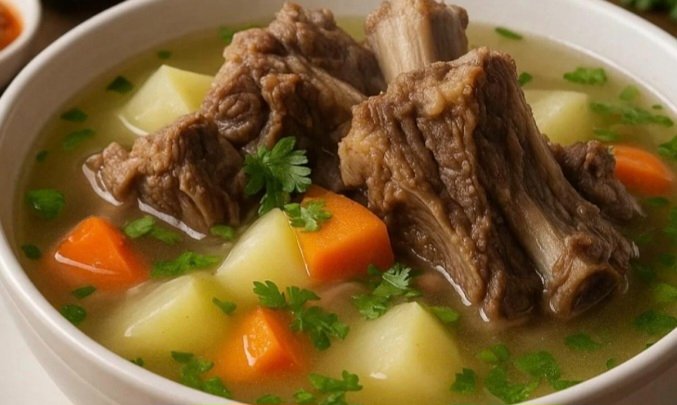
Hearty Beef Rib Soup with a Rich, Savory Broth
When the cold weather rolls in, there’s nothing quite like a steaming bowl of hearty beef rib soup to warm you up from the inside out. This robust dish not only satisfies your hunger but also offers a rich, savory broth that leaves a lasting impression. In this article, we’ll explore the ingredients, preparation methods, and tips to make the perfect beef rib soup that’s sure to become a family favorite.
The Importance of Selecting Quality Ingredients
Fresh Beef Ribs
Choosing the right cut of meat is crucial for achieving a flavorful soup. Look for fresh beef ribs, preferably bone-in cuts, as they yield maximum flavor during the cooking process. Cuts like short ribs or back ribs work wonderfully due to their rich marbling and depth of flavor.
Vegetables and Aromatics
For a well-rounded soup, you’ll need a variety of vegetables. Carrots, onions, and celery form the classic mirepoix base, which adds sweetness and complexity to the broth. Additionally, consider incorporating garlic, potatoes, or even mushrooms for extra richness.
Herbs and Spices
Herbs and spices are essential for enhancing the flavor profile of your soup. Fresh herbs like thyme and parsley add brightness, while bay leaves provide an aromatic quality. Don’t shy away from using spices such as black peppercorns, allspice, or even a touch of chili powder for a little kick.
Preparing the Beef Rib Soup
Step 1: Browning the Beef
To create a rich, savory broth, start by browning the beef ribs in a large pot or Dutch oven. Use a bit of oil over medium-high heat and sear the ribs until they develop a deep brown crust on all sides. This step is essential as it caramelizes the meat and enhances the overall flavor.
Step 2: Sautéing the Vegetables
Once the beef is browned, remove it from the pot and set it aside. In the same pot, add chopped onions, carrots, and celery. Sauté these farm-fresh vegetables until they are tender and start to caramelize, about 5-7 minutes. This golden base adds layers of flavor to your soup.
Step 3: Deglazing the Pot
After the vegetables are softened, it’s time to deglaze the pot. Pour in a splash of red wine, beer, or beef broth, scraping up any browned bits stuck to the bottom. This step captures the essence of all the flavors and incorporates them back into your soup.
Step 4: Building the Broth
Return the beef ribs to the pot and add enough beef broth to cover the meat and vegetables. You can use store-bought broth for convenience or homemade broth for an extra depth of flavor. Don’t forget to add your herbs and spices at this stage!
Step 5: Simmering for Maximum Flavor
Bring the pot to a boil, then reduce the heat and let it simmer for at least 2-3 hours. This slow-cooking process allows the flavors to meld beautifully while the beef becomes tender and succulent. You can occasionally skim off any excess fat from the surface for a cleaner broth.
Enhancing the Recipe
Adding Extras
To take your hearty beef rib soup to the next level, consider adding in extras like diced tomatoes, beans, or even barley. These not only enhance the flavor but also contribute to the soup’s texture and nutritional value.
Adjusting Seasoning
After simmering, taste the soup and adjust the seasoning as needed. You may want to add salt, pepper, or additional herbs to refine the flavors to your preference.
Serving Suggestions
Presentation is Key
When serving your hearty beef rib soup, presentation can elevate the dining experience. Ladle the soup into deep bowls, and garnish with freshly chopped parsley or chives. A sprinkle of freshly grated Parmesan cheese can also add a savory touch that pairs beautifully with the broth.
Side Dishes
Consider serving your beef rib soup with crusty bread or a side salad to create a complete meal. A fresh arugula salad with lemon vinaigrette can provide a refreshing contrast to the savory depth of the soup.
Storing and Reheating
If you have leftovers, you’re in for a treat! Beef rib soup tends to taste even better the next day, as the flavors continue to develop. Store the soup in an airtight container in the refrigerator for up to 3 days. When reheating, do so gently on the stove over low heat, adding a splash of broth or water if the soup has thickened.
Conclusion
Hearty beef rib soup with a rich, savory broth is a comforting dish that offers warmth and satisfaction, especially during chilly nights. By using high-quality ingredients, carefully following preparation steps, and allowing ample simmering time, you can create a soup that delights the senses and nourishes the soul. Enjoy this delightful recipe with family and friends, and make it part of your culinary repertoire for years to come!