
Introduction
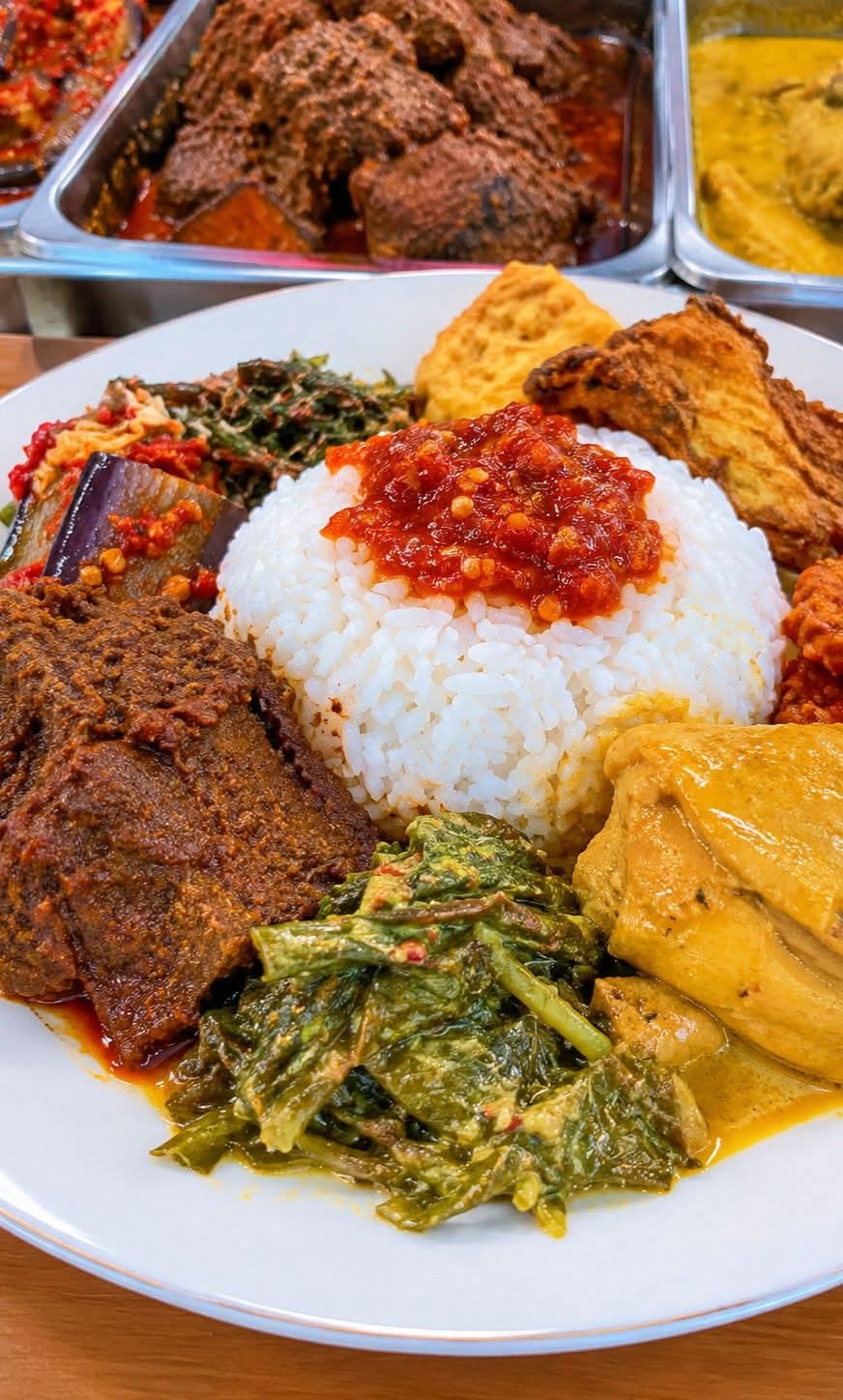
Nasi Padang is a celebrated Indonesian rice dish featuring an array of rich and aromatic components like beef rendang, ayam gulai, sambal merah, and coconut-infused greens. This dish is perfect for those who love bold flavors and a variety of textures on one plate, offering a true taste of West Sumatra’s culinary heritage.
With about 25 minutes of prep and a few hours of slow cooking, this recipe rewards patience with deeply fragrant spices and tender meats. Whether you’re cooking for family or hosting guests, Nasi Padang delivers an impressive and satisfying meal that brings the vibrant spirit of Indonesian cuisine to your table.
Why you’ll love this Nasi Padang recipe
- It combines tender beef rendang and flavorful ayam gulai for a delicious variety of protein options.
- The use of fresh spices and herbs creates a rich, authentic taste that’s deeply satisfying.
- Slow cooking the rendang ensures melt-in-your-mouth beef with perfectly reduced sauce.
- Accompanying sambal and greens add layers of heat, freshness, and texture to the dish.
- This dish is versatile enough to serve on special occasions or as a hearty family dinner.
Ingredients
- 3 cups cooked jasmine rice
- 500 g beef chuck, cut in large pieces
- 400 g chicken pieces
- 400 ml coconut milk
- 2 stalks lemongrass, bruised
- 6 kaffir lime leaves
- 2 bay leaves
- 4 cloves garlic
- 8 shallots
- 6 red chilies
- 2 bird’s-eye chilies
- 3 cm fresh ginger
- 3 cm galangal
- 2 cm turmeric
- 1 tsp ground coriander
- 1 tsp salt, plus more to taste
- 1 tsp palm sugar
- 2 tbsp cooking oil
- 1 bunch cassava leaves or spinach, blanched
- 1 small eggplant, cut into chunks
- Extra sambal merah for serving
- Optional fried tofu or fritters for garnish
This recipe serves 4 people, with a preparation time of 25 minutes and a lengthy cook time of about 3 hours to allow the beef rendang to become tender and flavorful. The key ingredients such as beef chuck and chicken provide a hearty protein base. Fresh aromatics like lemongrass, kaffir lime leaves, and a blend of spices including turmeric and galangal deliver the signature fragrance and depth. Choosing fresh, high-quality produce and spices will ensure the best taste, while jasmine rice adds a delicate, fragrant foundation to the dish.
Instructions
- Cook the rice: Steam or cook the jasmine rice until fluffy and keep it warm for serving.
- Prepare the spice paste: Blend garlic, shallots, red chilies, bird’s-eye chilies, fresh ginger, galangal, turmeric, ground coriander, salt, and palm sugar into a smooth paste.
- Make the beef rendang: Heat half the cooking oil in a pan, fry half the spice paste until fragrant. Add the beef chuck, half the coconut milk, one bruised lemongrass stalk, three kaffir lime leaves, and one bay leaf. Simmer slowly over low heat for 2 to 3 hours, stirring occasionally, until the beef is tender and the sauce thickens into a dark, oily paste.
- Cook the ayam gulai: In another pan, heat a little oil and fry the remaining spice paste. Add the chicken pieces, remaining coconut milk, the second lemongrass stalk, remaining kaffir lime leaves, and bay leaf. Simmer gently for 30 to 40 minutes until the chicken is cooked through and coated in a yellow coconut gravy.
- Prepare the greens: Briefly simmer the blanched cassava leaves or spinach with a spoonful of gulai gravy or a little coconut milk and salt to taste.
- Cook the eggplant: Simmer the eggplant chunks until tender, then toss them with a little sambal merah or some of the red chili mixture for added flavor.
- Assemble the plate: Mound the warm jasmine rice in the center of each plate. Spoon sambal merah on top of the rice, then arrange portions of beef rendang, ayam gulai, the greens, eggplant, and any optional fried tofu or fritters around the rice.
Tips for the best results
- Use fresh spices and aromatics for the most vibrant flavors in the spice paste.
- Simmer the beef rendang slowly and patiently to achieve tender meat and deep sauce reduction.
- Keep the rice warm and fluffy, as it balances the rich and spicy components.
- Adjust the number of chilies in the spice paste to control the heat level to your liking.
- Blanching the greens before simmering prevents them from becoming too bitter or tough.
- Serve the dish with extra sambal merah on the side for those who enjoy additional spice.
Variations and substitutions
- Replace beef chuck with lamb or mutton for a different but equally rich rendang.
- Use tofu or tempeh instead of chicken for a vegetarian version of ayam gulai.
- Swap cassava leaves with kale or collard greens if unavailable.
- Add potatoes or carrots to the gulai for extra heartiness and texture.
- Use store-bought sambal merah if short on time, although homemade gives better flavor.
Serving suggestions
Nasi Padang is traditionally served as a communal feast with all components arranged on a large platter for sharing. For a home meal, serve it on individual plates, pairing the fragrant rice with generous portions of beef rendang, ayam gulai, sautéed greens, and spicy eggplant. Additional fried tofu or fritters make excellent garnishes. Accompany with fresh cucumber slices or a simple vegetable salad to balance the richness. A cold beverage like iced tea or coconut water complements the spicy and creamy flavors beautifully.
Storage and reheating
Store leftover beef rendang and ayam gulai in airtight containers in the refrigerator for up to 3 days. The flavors often deepen after resting. Reheat gently on the stovetop over low heat, adding a splash of coconut milk or water to loosen the sauce if needed. Rice can be reheated in the microwave or steamed until warm and fluffy again. Avoid reheating multiple times to maintain the best taste and texture.
Frequently asked questions
What is Nasi Padang?
Nasi Padang is an Indonesian dish originating from West Sumatra, featuring steamed rice served with a variety of side dishes such as beef rendang, ayam gulai (chicken in coconut curry), sambal, and vegetables. It is known for its rich spices and complex flavors.
Can I use other types of rice for Nasi Padang?
While jasmine rice is preferred for its fragrance and texture, you can substitute with other long-grain white rice varieties. Avoid sticky or short-grain rice to maintain the dish’s traditional balance of flavors and textures.
How spicy is Nasi Padang?
The dish can be quite spicy due to the inclusion of red chilies and bird’s-eye chilies in the spice paste and sambal. However, the heat level can be adjusted by reducing the amount of chilies to suit your taste.
What is the difference between beef rendang and ayam gulai?
Beef rendang is a dry, slow-cooked dish with a thick, reduced coconut sauce, resulting in tender meat with intense flavors. Ayam gulai is chicken cooked in a yellow, saucier coconut milk curry with a milder spice profile, providing contrast on the plate.
Can I prepare Nasi Padang ahead of time?
Yes, Nasi Padang components like beef rendang and ayam gulai benefit from being made ahead as flavors deepen with time. Store them separately in the refrigerator and reheat gently before serving. Rice is best cooked fresh but can be reheated carefully.
Final thoughts
This Nasi Padang recipe showcases the rich and diverse flavors of Indonesian cuisine in one memorable meal. With tender beef rendang, fragrant ayam gulai, and vibrant side dishes, it’s perfect for sharing and celebrating bold spices at home. Give this recipe a try to bring the warmth and complexity of Indonesia’s culinary traditions to your dining table.