
Introduction
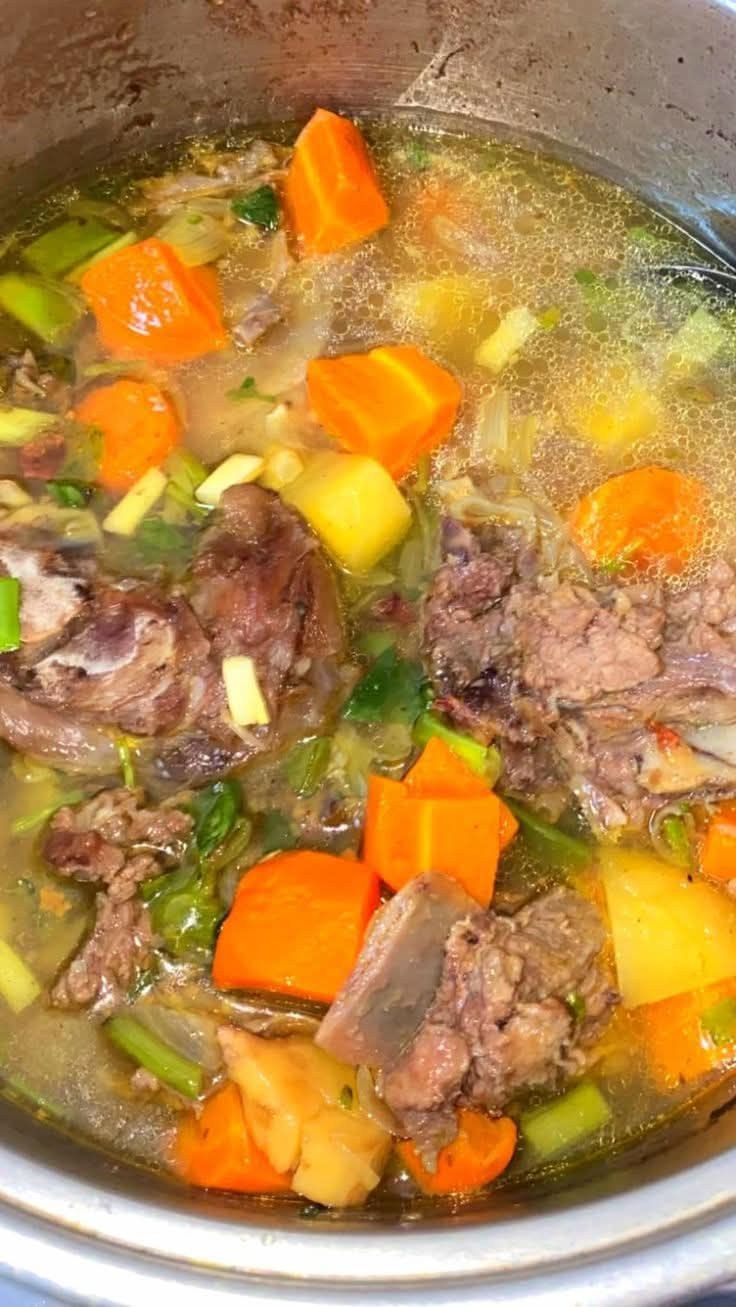
Beef Shank Vegetable Soup is a classic, hearty dish that combines tender beef shank with fresh vegetables to create a flavorful and nourishing meal. This soup is ideal for anyone seeking a comforting, protein-rich dinner that also includes wholesome vegetables in every spoonful. It’s a perfect choice for home cooks looking to prepare a satisfying dish that is both rustic and elegant.
With about 20 minutes of preparation and nearly 3 hours of simmering, this recipe brings out the deep flavors of beef and vegetables, resulting in a rich broth and tender ingredients. It serves 6 people, making it perfect for family meals or batch cooking for the week. The long simmer time is key to developing the soup’s signature flavor and melt-in-your-mouth texture, rewarding patience with every bowl.
Why you’ll love this Beef Shank Vegetable Soup
- This soup features beef shank, which creates a rich, gelatinous broth packed with flavor and nutrients, thanks to the collagen and marrow in the bones.
- The combination of carrots, potatoes, onion, and celery adds natural sweetness and varied texture to every bite, balancing the savory depth of the beef.
- Simmering slowly allows the beef to become tender and infuses the broth with deep, comforting flavors that develop over time.
- This recipe is simple to prepare and uses minimal ingredients, making it accessible for home cooks of all skill levels without sacrificing taste.
- The soup is versatile and can be enjoyed as a filling main course or a starter for larger meals, suitable for both casual dinners and special occasions.
Ingredients
- 2 1/2 lb beef shank, bone-in, cut into large pieces
- 10 cups water
- 1 large onion, quartered
- 3 celery stalks, cut into 1-inch pieces
- 4 medium carrots, peeled and cut into large chunks
- 3 medium potatoes, peeled and cubed
- 4 garlic cloves, smashed
- 1 tbsp whole black peppercorns
- 2 tsp salt, plus more to taste
- 2 tbsp chopped parsley or scallion greens
This recipe relies on quality beef shank, which provides rich marrow and collagen for a flavorful broth. Choose firm, fresh beef shank with good marbling for the best tenderness—look for pieces with visible bone marrow and a bright red color. Fresh vegetables like carrots, potatoes, celery, and onion contribute natural sweetness and texture, balancing the savory meat. Garlic and whole black peppercorns add nuanced savory notes and gentle heat. Using bone-in beef shank enhances the soup’s flavor complexity and body by releasing gelatin and minerals during the long simmer. Opt for firm, unblemished vegetables and fresh herbs to maximize freshness and aroma.
Instructions
- Prepare the beef: Rinse the beef shank pieces under cold water and place them in a large pot with 10 cups of water. This initial rinse removes any surface impurities for a cleaner broth.
- Bring to boil and skim: Heat over medium-high until boiling, then skim off any foam or impurities that rise to the surface to keep the broth clear. Skimming is essential to prevent a cloudy broth and ensures a pure, clean flavor.
- Add aromatics and simmer: Stir in the quartered onion, smashed garlic cloves, whole black peppercorns, and 2 teaspoons salt. Reduce heat to low and let simmer gently for 2 to 2 1/2 hours until the beef is tender and the broth is rich. Simmering slowly breaks down connective tissues and extracts flavor without toughening the meat.
- Cook carrots and celery: Add the peeled, chunked carrots and celery pieces to the pot and cook for 15 minutes, allowing the vegetables to soften slightly. Adding these vegetables later prevents them from becoming too mushy during the long cooking process.
- Add potatoes and continue simmering: Stir in the peeled, cubed potatoes and simmer for another 15 to 20 minutes until all vegetables are tender but not mushy. Timing the addition of potatoes carefully helps maintain their shape and texture.
- Adjust seasoning: Taste the broth and add more salt if needed to balance the flavors. Gradual seasoning helps avoid over-salting and enhances the natural flavors.
- Finish with herbs and serve: Sprinkle chopped parsley or scallion greens over the hot soup and serve immediately. Adding herbs at the end preserves their fresh aroma and vibrant color.
Tips for the best results
- Use bone-in beef shank: The bones release collagen and marrow that create a rich, silky broth and add natural nutrients, making the soup more flavorful and satisfying.
- Skim foam carefully: Removing foam during the initial boil prevents impurities from clouding the broth, resulting in a visually appealing and clean-tasting soup.
- Simmer gently over low heat: A gentle simmer breaks down tough connective tissues without toughening the meat fibers, ensuring tender beef and a clear broth.
- Cut vegetables into large chunks: Larger pieces maintain their texture during the long cooking time, preventing them from turning mushy and preserving their individual flavors.
- Adjust salt gradually at the end: Adding salt last allows you to control seasoning precisely, preventing the soup from becoming too salty as flavors concentrate during cooking.
- Add fresh herbs just before serving: This preserves their bright flavor, aroma, and vibrant color, enhancing the final presentation and taste of the soup.
Variations and substitutions
- Swap parsley or scallion greens for fresh dill or thyme to change the herb profile and add unique aromatic notes to the soup.
- Replace potatoes with sweet potatoes for a slightly sweeter, nutrient-rich alternative that adds color and a different texture.
- Add a bay leaf or two during simmering for additional aromatic depth and a subtle earthy flavor that complements the beef.
- Use vegetable broth instead of water for a richer vegetable flavor in the soup base, enhancing complexity without overpowering the beef.
- Include other root vegetables like parsnips or turnips to diversify the texture and taste, adding sweetness and earthiness.
Serving suggestions
Beef Shank Vegetable Soup pairs wonderfully with crusty bread or warm dinner rolls to soak up the flavorful broth, adding a satisfying textural contrast. A simple green salad dressed with a light vinaigrette complements the richness of the soup by providing brightness and freshness. For a heartier meal, serve alongside steamed rice or buttered noodles, which absorb the savory broth and make the dish more filling. Garnishing with extra fresh herbs like parsley or scallions adds a pop of color and fresh aroma, enhancing both visual appeal and flavor complexity.
Storage and reheating
This soup stores well in an airtight container in the refrigerator for up to 3 days, allowing flavors to meld even further. When reheating, warm gently on the stovetop over medium-low heat, stirring occasionally to prevent sticking and ensure even heating. For longer storage, freeze the soup in portion-sized containers for up to 3 months. To preserve texture and flavor, thaw overnight in the refrigerator before reheating. Avoid rapid reheating or boiling, which can toughen the beef and break down vegetables.
Frequently asked questions
Can I use beef shank without the bone?
Yes, boneless beef shank can be used, but the bone contributes extra flavor, richness, and gelatin to the broth that enhances mouthfeel and depth. If using boneless beef shank, consider supplementing with a beef broth base or adding a marrow bone separately to retain those qualities.
Is it necessary to simmer the soup for over two hours?
Simmering slowly for 2 to 2 1/2 hours is important because beef shank is a tough cut with a lot of connective tissue. The long cooking time breaks down collagen into gelatin, making the meat tender and the broth rich and silky. Shorter cooking times may result in tougher meat and a less flavorful broth, diminishing the soup’s signature comforting texture.
Can I prepare this soup in a slow cooker?
Yes, this soup adapts well to slow cooker preparation. Transfer all ingredients to a slow cooker and cook on low for 6 to 8 hours or on high for 3 to 4 hours until the beef is tender and vegetables are cooked through. Slow cooking allows flavors to develop gently and hands-free, making it convenient for busy days.
What can I use if I don’t have whole black peppercorns?
If whole black peppercorns are unavailable, freshly ground black pepper can be used as a substitute. However, add the ground pepper later in the cooking process or at the end to avoid bitterness and flavor loss, as ground pepper releases its oils quickly and can overpower the soup if cooked too long.
Should I peel the potatoes and carrots?
Peeling potatoes and carrots ensures a smoother texture and removes any dirt, preservatives, or bitterness that can be present in the skins. However, if you prefer a more rustic soup with additional fiber and nutrients, you can leave the skins on after washing them thoroughly. The choice depends on your texture preference and desired presentation.
Final thoughts
Beef Shank Vegetable Soup is a satisfying and nourishing dish that brings warmth and comfort to any table. Its rich broth and tender ingredients make it a timeless recipe to enjoy with family and friends, especially during cooler months. With simple ingredients and straightforward steps, it’s a recipe that rewards patience with deeply developed flavors. Give this recipe a try and savor the depth of flavors that slow-simmered beef and fresh vegetables create together.