
Introduction
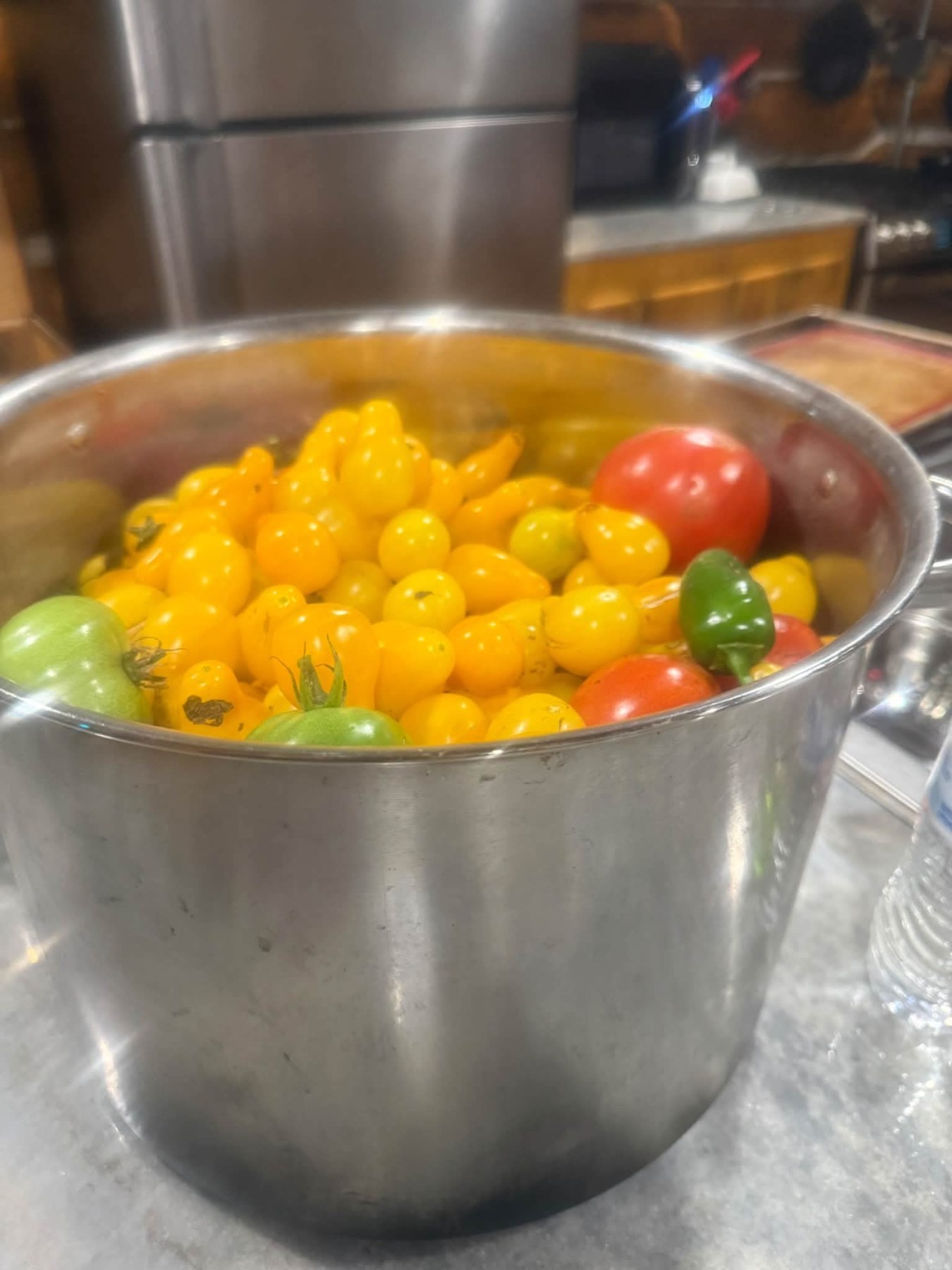
Mixed Cherry and Pear Tomatoes for Sauce is a vibrant and fresh tomato sauce that beautifully combines the unique flavors of yellow pear tomatoes, yellow cherry tomatoes, red tomatoes, and green tomatoes. This colorful sauce provides a natural, wholesome base for enhancing pasta dishes, pizzas, or any recipes calling for a rich homemade tomato sauce. With just 15 minutes of preparation and 45 minutes of cooking, you can create approximately 6 cups of delicious, flavorful sauce that captures the essence of fresh tomatoes.
This recipe is ideal for both experienced cooks and kitchen novices, offering a straightforward method to showcase the freshness and complexity of mixed tomatoes. The blend of sweet, tangy, and slightly tart varieties results in a sauce with balanced depth and brightness, perfect for elevating meals without relying on preservatives or complicated processes. Its simplicity and natural ingredients make it a go-to option for those who appreciate authentic, homemade flavors.
Why you’ll love this Mixed Cherry and Pear Tomatoes for Sauce
- This sauce captures the natural sweetness and acidity of a variety of fresh tomatoes for a complex flavor profile that brightens any dish.
- The recipe uses simple, wholesome ingredients, making it a healthy, additive-free alternative to store-bought sauces.
- It’s incredibly versatile, serving as a perfect base for pasta, pizza, roasted vegetables, or even as a dipping sauce.
- Making your own sauce gives you full control over seasoning and texture, allowing you to tailor it to your personal taste.
- The cooking process is straightforward and approachable, suitable for cooks of all skill levels who want fresh, flavorful results.
Ingredients
- 4 lb yellow pear tomatoes
- 2 lb yellow cherry tomatoes
- 1 lb red tomatoes
- 2 green tomatoes
- 1/4 cup olive oil
- 1 medium onion, chopped
- 4 cloves garlic, sliced
- 1 1/2 tsp kosher salt
- 1/2 tsp black pepper
- 10 basil leaves
- 1 tbsp red wine vinegar
Makes about 6 cups of sauce.
Prep time: 15 minutes
Cook time: 45 minutes
The key to this sauce’s vibrant flavor lies in the combination of diverse tomato varieties: yellow pear and cherry tomatoes bring a natural sweetness and subtle fruitiness, while red tomatoes add depth and body. The inclusion of green tomatoes introduces a slight tartness that balances the overall taste. When selecting tomatoes, aim for ripe but firm specimens without blemishes or soft spots to ensure the sauce is flavorful without becoming watery. The olive oil and garlic contribute rich, savory notes, while fresh basil and red wine vinegar added at the end lift the sauce with aromatic freshness and a touch of acidity.
Instructions
- Prepare the tomatoes: Rinse all tomatoes thoroughly and remove any stems or blemishes to ensure a clean sauce base.
- Cut the tomatoes: Halve the larger red and green tomatoes for quicker cooking; leave the smaller yellow pear and cherry tomatoes whole or halve them if you prefer a chunkier texture.
- Sauté onions: Heat the olive oil in a large stockpot over medium heat. Add the chopped onion and cook until softened, about 5 minutes, stirring occasionally.
- Add garlic: Stir in the sliced garlic and cook for an additional 30 seconds, allowing the garlic to release its aroma without burning.
- Cook tomatoes: Add all the tomatoes to the pot along with the kosher salt and black pepper. Cover and cook over medium heat, stirring occasionally, until the tomatoes burst and release their juices, about 20 to 30 minutes.
- Simmer uncovered: Remove the lid and continue simmering the sauce until it thickens slightly, around 20 minutes more, stirring regularly to prevent sticking.
- Blend or mill: For a smoother sauce, pass the mixture through a food mill or blend it briefly. This step is optional based on your texture preference.
- Finish sauce: Stir in the fresh basil leaves and red wine vinegar. Taste and adjust seasoning if necessary.
- Serve or store: Serve the sauce warm immediately or allow it to cool before refrigerating for later use.
Tips for the best results
- Choose ripe but firm tomatoes: Using tomatoes that are ripe ensures maximum flavor, but firmness prevents the sauce from becoming too watery and helps maintain a desirable texture.
- Simmer the sauce slowly: Slow simmering allows the tomatoes to break down gently, concentrating their flavors and avoiding any burnt or bitter notes that can occur with high heat.
- Stir often once uncovered: Regular stirring prevents the sauce from sticking to the pot’s bottom and promotes even thickening, resulting in a smooth, luscious consistency.
- Adjust texture with blending: Blending or milling the sauce can create a silky finish, while leaving it chunky offers rustic texture; choose based on your dish and preference.
- Add fresh basil at the end: Adding basil late preserves its bright, herbaceous aroma and prevents it from turning bitter during cooking.
- Use high-quality olive oil: Good olive oil lends richness and depth, enhancing the sauce’s overall flavor and mouthfeel.
Variations and substitutions
- Tomato varieties: Substitute any of the tomatoes with Roma or plum tomatoes to create a thicker, meatier sauce.
- Herbs: Experiment with oregano or thyme instead of basil for a different herbal profile that complements the tomato base.
- Spices: Incorporate red pepper flakes during cooking for a subtle heat or a pinch of smoked paprika for smoky depth.
- Vinegar: Swap red wine vinegar for balsamic vinegar to add a sweeter, richer finish, or use lemon juice for a bright citrus twist.
- Additional vegetables: Add diced bell peppers, carrots, or even mushrooms to introduce extra sweetness, texture, and nutritional value.
Serving suggestions
This fresh tomato sauce is wonderfully versatile and pairs beautifully with a wide variety of dishes. Spoon it generously over al dente pasta for a simple yet satisfying meal, or use it as a flavorful base for homemade pizza, spreading it evenly before adding your favorite toppings. It also complements grilled meats such as chicken or sausage, enhancing their savory flavors with its bright, fresh tomato notes. Additionally, try it as a dipping sauce for crusty bread or as a savory addition to vegetable casseroles and baked dishes. The natural sweetness and balanced acidity bring a refreshing lift to many meals.
Storage and reheating
To store, transfer the sauce to an airtight container and refrigerate for up to 5 days, ensuring it stays fresh and flavorful. For longer preservation, freeze the sauce in portion-sized containers or freezer bags for up to 3 months. When reheating, warm the sauce gently on the stovetop over low heat, stirring occasionally to prevent scorching. Avoid boiling the sauce during reheating, as high heat can dull the fresh tomato flavors and alter the texture. Proper storage and reheating maintain the sauce’s vibrant taste and quality for convenient use in future meals.
Frequently asked questions
Can I use only one type of tomato for this sauce?
Yes, you can certainly use a single variety such as all cherry tomatoes or all red tomatoes if that’s what you have on hand. However, combining different types of tomatoes enhances the sauce’s complexity and balance, as each variety contributes unique flavor notes—sweetness from yellow tomatoes, acidity from green tomatoes, and richness from red tomatoes. This mixture results in a more interesting and well-rounded sauce compared to using just one type.
Do I have to peel the tomatoes before cooking?
Peeling tomatoes is optional. When cooked until they burst, the skins soften significantly, and if you prefer a smooth sauce, blending or passing the sauce through a food mill will remove most skins. Leaving the skins on adds dietary fiber and a rustic texture, but may slightly affect smoothness. It depends on your texture preference and how you plan to use the sauce.
How long can I store this sauce in the freezer?
Properly stored in airtight containers or freezer bags, this tomato sauce can be frozen for up to 3 months without significant loss of flavor or quality. When ready to use, thaw it overnight in the refrigerator for best results, then gently reheat on the stove. Freezing in smaller portions allows you to thaw only what you need, minimizing waste and preserving freshness.
Is red wine vinegar necessary in this recipe?
Red wine vinegar adds a subtle acidity that brightens the sauce and balances the natural sweetness of the tomatoes. While it is not absolutely necessary, omitting it may result in a less vibrant flavor. You can substitute with balsamic vinegar for a sweeter, richer note or lemon juice for a fresh citrus tang, but be aware that these changes will slightly alter the sauce’s flavor profile.
Can I make this sauce spicy?
Absolutely. Adding red pepper flakes during the cooking process infuses the sauce with a gentle heat, while a dash of hot sauce added at the end can give it a more pronounced spicy kick. Adjust the amount of spice to suit your personal preference, and remember you can always add more later if needed. This flexibility allows you to customize the sauce to complement a variety of dishes.
Final thoughts
Mixed Cherry and Pear Tomatoes for Sauce is a wonderful way to celebrate the fresh, vibrant flavors of tomatoes in a versatile homemade sauce. The colorful blend of tomato varieties creates a unique and balanced flavor that enhances countless dishes, from pasta to pizza and beyond. Simple to prepare yet full of depth, this sauce brings natural freshness to your kitchen without complicated steps or additives. Give this recipe a try and enjoy the bright, wholesome taste of homemade tomato sauce made with love and care.