
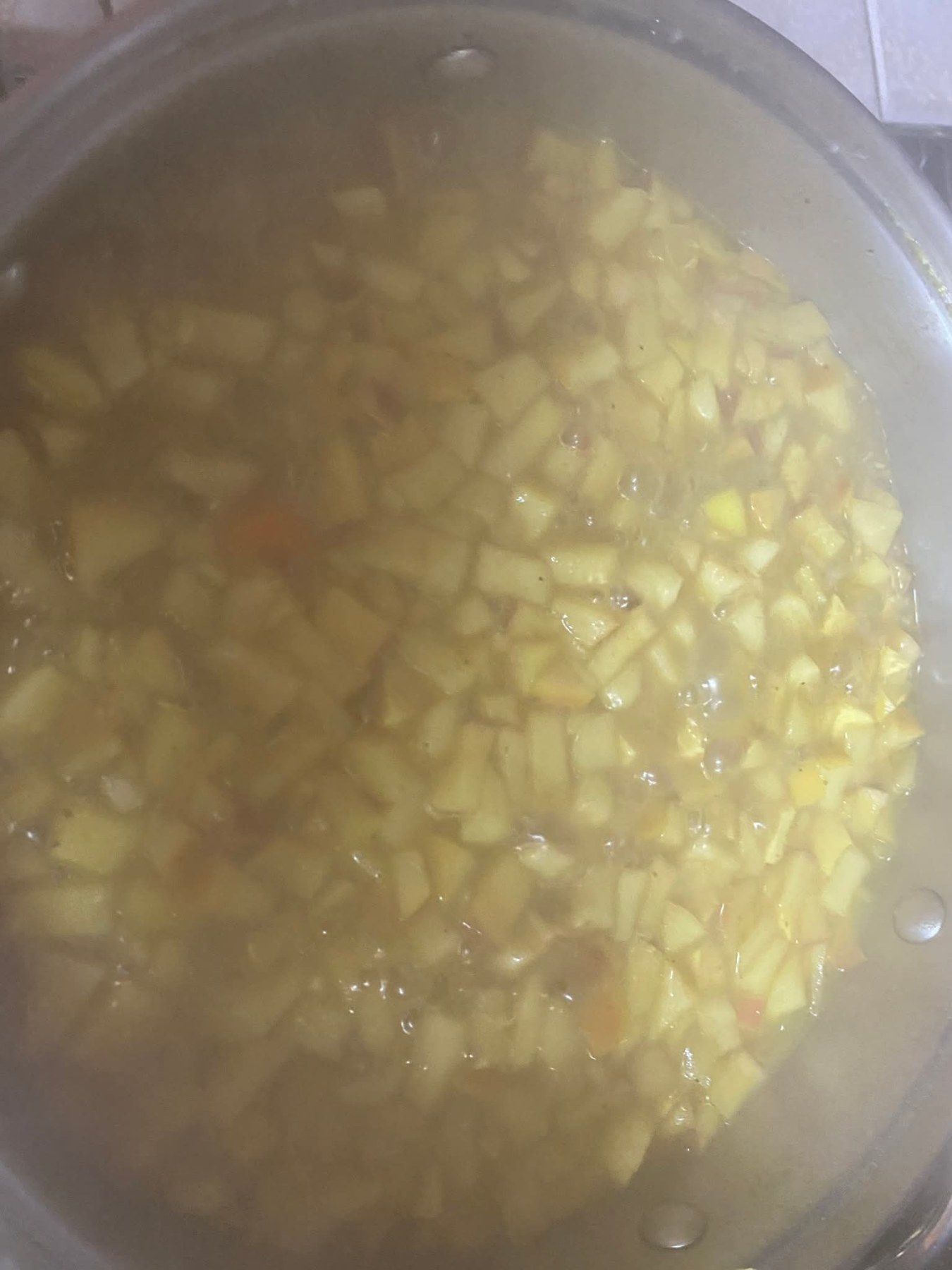
Stewed apples are a timeless fruit dessert cherished for their warm, tender texture and naturally sweet flavor, beautifully enhanced by the aromatic combination of cinnamon and lemon. This easy stewed apples recipe is perfect for anyone looking for a comforting and versatile dish that can be enjoyed throughout the year. Whether you want a quick breakfast topping or a light, wholesome dessert, stewed apples offer satisfying deliciousness with very little effort.
With just a handful of simple ingredients and about 25 minutes from start to finish, this recipe is ideal for busy home cooks who want a wholesome treat without complicated steps or long preparation. The process of gently simmering diced apples with sugar, fresh lemon juice, ground cinnamon, and a touch of water creates a fragrant and naturally sweet compote that pairs wonderfully with a variety of dishes, making it a kitchen staple.
Why you’ll love this Stewed Apples recipe
- This recipe uses simple, everyday ingredients that are easy to find in any grocery store and budget-friendly for all households.
- The gentle stewing process brings out the natural sweetness of the apples while maintaining a tender but slightly firm texture, avoiding mushiness.
- The addition of cinnamon and lemon juice adds warm spice and bright acidity, enhancing the flavor complexity without overpowering the fruit.
- It’s highly versatile, delicious served warm or chilled, making it perfect for any season or occasion.
- Stewed apples can be used in numerous ways—from a wholesome topping for porridge and yogurt to a flavorful addition to pancakes, waffles, or ice cream.
Ingredients
- 6 medium apples, peeled and diced
- 3 tablespoons sugar
- 1/4 cup water
- 1 tablespoon lemon juice
- 1/2 teaspoon ground cinnamon
- 1 tablespoon butter (optional)
- 1 pinch salt
This recipe calls for firm, tart apples such as Granny Smith or Braeburn to balance the sweetness and help the fruit hold its shape during cooking. Firm apples prevent the stewed mixture from becoming overly mushy and maintain a pleasing bite. Fresh lemon juice is essential not only for adding a bright, tangy flavor but also for preventing the apples from browning during cooking. Ground cinnamon lends a warm, aromatic spice note that complements the sweetness naturally released by the apples. Sugar is added to enhance sweetness, but you can adjust the amount depending on your apple variety and taste preferences. The optional butter enriches the compote by creating a glossy finish and deeper flavor, but it can be omitted for a lighter, dairy-free version.
Instructions
- Prepare the apples: Peel, core, and dice the apples into small cubes. Cutting the apples into uniform pieces ensures even cooking and a consistent texture throughout the dish.
- Combine ingredients: Place the diced apples in a medium saucepan along with the sugar, water, lemon juice, ground cinnamon, and a pinch of salt. The salt enhances the overall flavor by balancing the sweetness and acidity.
- Simmer gently: Heat the mixture over medium heat, stirring occasionally. Bring it to a gentle simmer to allow the apples to cook slowly and absorb the flavors without burning or sticking to the pan.
- Cook the apples: Let the apples cook for 10 to 15 minutes until they soften and release their juices, but still hold some shape. Stir periodically to prevent sticking and ensure even cooking. The apples should be tender yet retain a slight firmness for the best texture.
- Add butter (optional): If using, stir in the butter and cook for an additional 1 to 2 minutes. This step enriches the compote, giving it a glossy sheen and a richer mouthfeel.
- Serve: Enjoy the stewed apples warm or chilled. They can be eaten on their own or used as a delicious topping for porridge, yogurt, pancakes, or ice cream.
Tips for the best results
- Use tart, firm apples: Apples like Granny Smith or Braeburn hold their shape well during cooking and provide a nice balance of sweet and tart flavors, preventing the compote from becoming too mushy or overly sweet.
- Peeling the apples: While peeling creates a smoother texture and reduces cooking time, leaving the skins on adds fiber, nutrients, and visual appeal. Choose based on your texture preference and dietary needs.
- Simmer gently over medium heat: Cooking at a moderate temperature prevents the apples from sticking or burning and allows the flavors to meld slowly and evenly, resulting in a balanced taste.
- Adjust sugar to taste: Different apple varieties vary in sweetness, so taste the mixture as it cooks and add more sugar if needed to suit your preference.
- Add lemon juice early: Adding lemon juice at the start prevents enzymatic browning and adds a bright, fresh acidity that balances the natural sweetness of the apples.
- Cook uncovered for thicker compote: If you prefer a thicker texture, cook the mixture uncovered to allow some of the liquid to evaporate. Stir occasionally to avoid sticking.
Variations and substitutions
- Use brown sugar or honey instead of white sugar to introduce a deeper, caramel-like sweetness and richer flavor profile.
- Add a splash of vanilla extract or a pinch of nutmeg along with the cinnamon for extra warmth, aroma, and complexity.
- Replace water with apple cider, orange juice, or other fruit juices to infuse the stewed apples with additional natural flavors.
- Mix different apple varieties, such as combining tart Granny Smith with sweeter Honeycrisp, to create a more nuanced balance of sweet and tart notes.
- Omit butter for a vegan-friendly version or substitute it with coconut oil to maintain richness while keeping it plant-based.
Serving suggestions
Stewed apples are incredibly versatile and can be served either warm or chilled depending on your preference and the season. For breakfast, spoon them over hot oatmeal or creamy yogurt to add natural sweetness, moisture, and a comforting fruit flavor. They also make a delightful topping for pancakes or waffles, adding a fresh, fruity contrast to the richness of the batter. For dessert, serve the stewed apples alongside vanilla ice cream or dollop them on a slice of pound cake or warm sponge cake for an elegant yet simple treat. You can also enjoy the stewed apples plain as a comforting snack any time of day, offering a wholesome, naturally sweet option.
Storage and reheating
Leftover stewed apples should be stored in an airtight container in the refrigerator and will keep well for up to 4 days. Proper refrigeration maintains freshness and prevents spoilage. When ready to enjoy again, gently reheat the apples in a saucepan over low heat, stirring occasionally to prevent sticking or scorching. Alternatively, microwave in short bursts until warmed through. If the compote has thickened too much during storage, add a splash of water or fruit juice to loosen the consistency as you reheat. Stewed apples also freeze well in a sealed container for up to 3 months; thaw them overnight in the refrigerator before reheating to preserve texture and flavor.
Frequently asked questions
Can I use other fruits instead of apples?
Yes, you can stew other firm fruits like pears, peaches, or plums using a similar method. Each fruit has its own texture and water content, so adjust cooking times accordingly to avoid overcooking or turning the fruit to mush. For example, pears may cook slightly faster, while plums may release more juice, altering the consistency.
Do I need to peel the apples?
Peeling the apples results in a smoother compote and can reduce cooking time because the skins won’t need to soften. However, leaving the skins on adds extra fiber, nutrients, and a more rustic texture and color to your stewed apples. Choose based on your texture preference and dietary priorities.
How long do stewed apples last in the fridge?
When stored properly in an airtight container, stewed apples will last about 4 days in the refrigerator. Always check for any off smells, discoloration, or mold before consuming. For longer storage, freezing is a great option that preserves flavor and texture well.
Can I make this recipe sugar-free?
Absolutely, you can omit the added sugar if your apples are naturally sweet or substitute with natural sweeteners such as maple syrup, agave nectar, or stevia. Adjust the amount to your taste, keeping in mind that different sweeteners have varying levels of sweetness and may slightly alter the flavor.
What type of apples work best for stewing?
Tart and firm apples such as Granny Smith, Braeburn, or Honeycrisp are ideal for stewing because they hold their shape well and provide a balanced sweet-tart flavor. Softer, sweeter apple varieties tend to break down more quickly, resulting in a mushier texture, which might be desirable for specific recipes but less so for this one.
Final thoughts
Stewed apples are a wonderfully simple yet delicious way to enjoy fresh fruit with minimal effort. This easy recipe delivers warmth, comfort, and versatile flavor that fits perfectly as a breakfast topper or a light dessert. With the perfect blend of tender apples, fragrant cinnamon, and bright lemon, this dish is sure to become a favorite in your home cooking repertoire. Take a few minutes to prepare this classic treat and enjoy its cozy, wholesome goodness any time of year.