
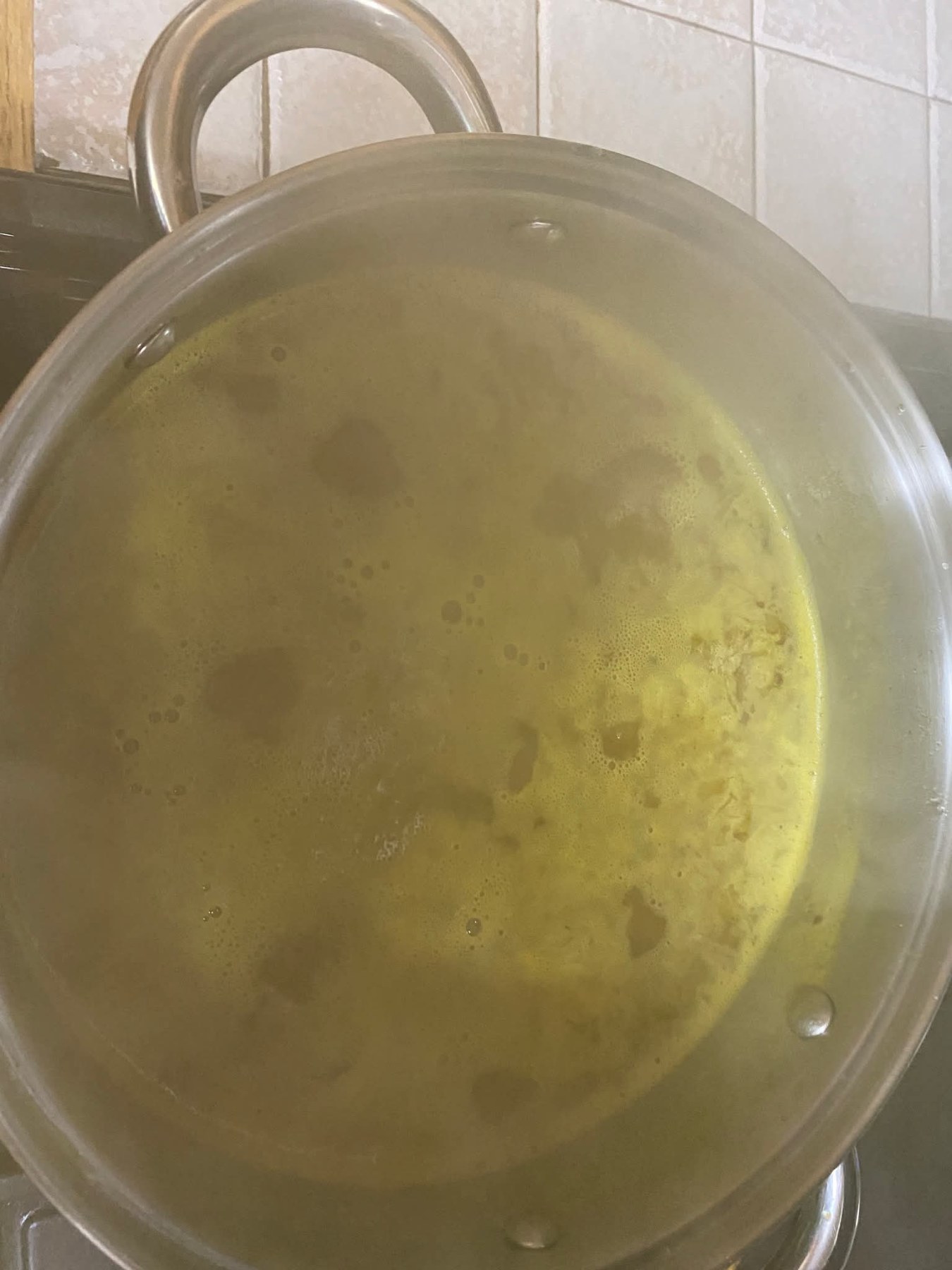
Chicken stock is a fundamental ingredient in countless recipes, providing a rich and savory base that enhances soups, stews, sauces, and more. This chicken stock recipe uses simple ingredients like chicken backs or wings, aromatic vegetables, and herbs to create a deeply flavorful broth that is both nourishing and versatile. Whether you’re a beginner or an experienced home cook, this recipe offers a straightforward way to elevate your cooking with authentic homemade stock.
Ideal for home cooks looking to add depth to their dishes, this recipe takes about 15 minutes to prepare and simmers gently for 2 to 3 hours to extract maximum flavor. The slow cooking process ensures all the nutrients and flavors are drawn out, resulting in a clear, rich broth. Whether you use it immediately or store it for later, homemade chicken stock elevates your cooking with authentic taste and wholesome goodness.
Why you’ll love this Chicken Stock recipe
- It uses everyday ingredients to create a rich, homemade broth that enhances any dish with natural depth.
- The slow simmering process extracts deep flavors and nutrients from the chicken and vegetables, enriching your meals.
- Making your own stock lets you control the salt and avoid preservatives found in store-bought versions, ensuring freshness.
- This recipe yields about 10 cups, providing plenty for multiple meals or freezing for convenient future use.
- The method is straightforward and forgiving, perfect for cooks of all skill levels seeking reliable results.
Ingredients
- 2 kg chicken backs, wings, or a whole cut-up chicken
- 1 large onion, quartered
- 2 carrots, roughly chopped
- 2 celery stalks, roughly chopped
- 3 garlic cloves, smashed
- 2 bay leaves
- 8 black peppercorns
- 1 small bunch parsley stems
- 3 liters cold water
- 1 tbsp salt
Prep time: 15 minutes | Cook time: 2 hours 30 minutes | Servings: About 10 cups
The key ingredients for this chicken stock are quality chicken bones or pieces, fresh vegetables, and herbs. Choose chicken parts with bones and some skin to add richness and gelatin, which gives the stock body and a silky texture. Fresh vegetables such as onion, carrot, and celery provide natural sweetness and aromatic layers that balance the savory notes. Using cold water at the start helps extract flavors gradually and prevents emulsifying fats too quickly, keeping the stock clear. The herbs and spices like bay leaves, black peppercorns, and parsley stems add subtle complexity and freshness, rounding out the flavor profile beautifully.
Instructions
- Prepare the chicken and vegetables: Place the chicken backs, wings, or cut-up chicken into a large stockpot. Add the quartered onion, roughly chopped carrots and celery, smashed garlic cloves, bay leaves, black peppercorns, and parsley stems. This combination ensures a well-balanced base with plenty of flavor.
- Add cold water: Pour 3 liters of cold water over the ingredients, ensuring everything is covered. Starting with cold water helps draw out the collagen and flavors slowly for a richer stock.
- Heat gently: Bring the mixture slowly to a gentle simmer over medium heat. Avoid boiling vigorously, which can cloud the stock and make it greasy by emulsifying fats and impurities.
- Skim foam: During the first 20 to 30 minutes, skim off any foam or impurities that rise to the surface with a spoon to keep the stock clear and improve its taste. This step is crucial for a clean, bright broth.
- Season and simmer: Add 1 tablespoon of salt and reduce the heat to maintain a bare simmer. Partially cover the pot and cook for 2 to 3 hours to extract full flavor and gelatin from the bones while keeping the broth clear and delicate.
- Strain the stock: After simmering, strain the liquid through a fine sieve into a clean pot or large bowl, discarding the solids. Using a fine mesh ensures a smooth, clear stock free of bits.
- Cool and store: Allow the stock to cool before refrigerating. Once chilled, skim off any excess fat from the surface if desired before using in recipes. Cooling quickly helps prevent bacterial growth and preserves freshness.
Tips for the best results
- Use cold water when starting the stock: Cold water extracts collagen and flavors more effectively from the bones and meat, resulting in a richer and more gelatinous broth.
- Maintain a gentle simmer: A low simmer prevents fats and impurities from emulsifying into the liquid, keeping the stock clear and light in flavor.
- Skim foam regularly: Removing foam and scum during the first half hour removes impurities that can cause bitterness and cloudiness, ensuring a clean taste.
- Simmer for at least 2 hours: Cooking long enough allows collagen to break down into gelatin, giving the stock body; however, avoid overcooking beyond 3 hours to prevent a bitter or overly concentrated flavor.
- Use a fine mesh sieve when straining: This filters out small particles, resulting in a smooth, clear stock that enhances the texture of your dishes.
- Cool the stock quickly before refrigerating: Rapid cooling reduces the risk of bacteria growth and helps maintain the fresh flavor and quality of the stock.
Variations and substitutions
- Use a whole chicken: For a richer, meatier stock, use a whole cut-up chicken instead of just backs or wings. This adds more body and flavor complexity.
- Add mushrooms: Incorporating dried or fresh mushrooms adds an earthy umami depth, perfect for enhancing savory soups and sauces.
- Swap parsley for thyme: Thyme imparts a subtle herbal note that complements chicken beautifully, providing a slightly different aromatic profile.
- Include leek: Adding leek in place of or alongside onion introduces a mild sweetness and gentle complexity, enhancing the stock’s flavor layers.
- Make a lighter stock: Use only chicken bones without skin if you prefer a leaner broth with less fat and a cleaner taste, suitable for delicate dishes.
Serving suggestions
Chicken stock is incredibly versatile and can be used as a base in countless dishes. Use it as the foundation for classic soups like chicken noodle or vegetable soup, which benefit from its rich flavor. It’s excellent for cooking grains such as rice or quinoa, imparting extra taste and aroma. Incorporate it into sauces and gravies to add depth and richness without overpowering other ingredients. Chicken stock also works beautifully in risottos and hearty stews, enriching the overall taste and texture. Serve it warm as a comforting broth on its own, garnished with fresh herbs, or use it as a flavor booster in your favorite recipes to amplify their savoriness.
Storage and reheating
Once cooled, chicken stock can be stored safely in an airtight container in the refrigerator for up to 4 days. For longer storage, freeze the stock in convenient portions using ice cube trays or freezer-safe containers, preserving its quality for up to 3 months. When reheating, warm the stock gently over low heat to maintain its clarity and flavor, avoiding rapid boiling which can degrade taste and cause cloudiness. After refrigeration, you may notice a layer of solidified fat on top; skim this off if you prefer a leaner broth or incorporate it for added richness depending on your recipe.
Frequently asked questions
Can I use raw chicken instead of bones for stock?
Yes, using raw cut-up chicken or parts like wings and backs works well for stock and often yields a richer flavor due to the meat and skin. The meat adds body and taste, while the bones provide gelatin. Just be sure to simmer gently to extract the best taste without cloudiness or greasiness.
Why should I avoid boiling chicken stock vigorously?
Boiling the stock hard can cause fats and impurities to emulsify into the liquid, making it cloudy and greasy. A gentle simmer keeps the stock clear by allowing impurities to float to the surface where they can be skimmed off, resulting in a cleaner, more refined flavor and appearance.
How long can I store homemade chicken stock?
Refrigerated chicken stock is best used within 3 to 4 days to ensure safety and freshness. For longer storage, freeze it in airtight containers or ice cube trays for up to 3 months. Proper freezing preserves flavor and nutrient quality, making it convenient to use in future recipes.
Is it necessary to add salt when making stock?
Adding a tablespoon of salt during cooking lightly seasons the stock and helps bring out the other flavors. However, you can reduce or omit salt if you plan to use the stock in recipes that will be salted later, allowing more control over the final seasoning of your dishes.
Can I make chicken stock in a slow cooker or pressure cooker?
Absolutely. Slow cookers provide a convenient way to simmer stock gently for extended periods, enhancing flavor extraction without much attention. Pressure cookers speed up the process significantly, producing rich stock in under an hour. Adjust cooking times accordingly, but the basic ingredients and method remain the same, ensuring delicious results.
Final thoughts
Homemade chicken stock is a simple yet transformative ingredient that adds richness and depth to your cooking. With just a few basic ingredients and patience, you can create a versatile stock that enhances countless meals, from soups to sauces and beyond. Give this recipe a try and experience the difference that fresh, homemade stock makes in your kitchen, elevating everyday dishes into something truly special.