
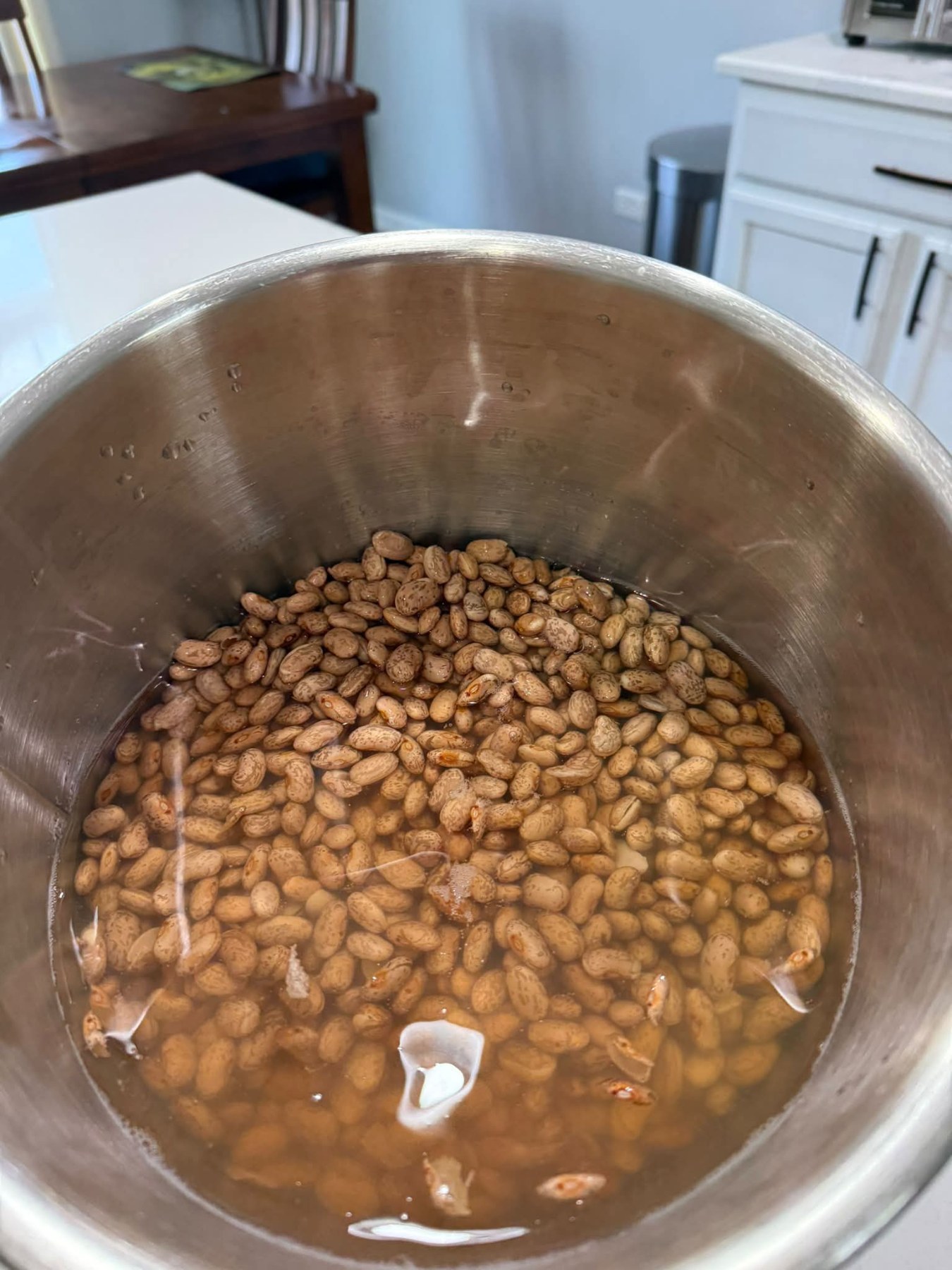
Soaked pinto beans are a fundamental ingredient prep step that every home cook should master. This simple soaking process transforms dried pinto beans, making them easier to cook and digest while enhancing their texture and flavor. Whether you are planning to make refried beans, chili, or a hearty bean stew, soaked pinto beans are the perfect starting point for a wide range of delicious dishes.
This recipe is ideal for anyone looking to save time in the kitchen and achieve tender, evenly cooked beans. With just a few basic ingredients and some patience, you can prepare soaked pinto beans that are ready for your favorite meals. The soaking process is straightforward and requires minimal active time, making it a convenient and practical step in your cooking routine that will elevate your bean-based recipes.
Why you’ll love this Soaked Pinto Beans recipe
- Soaking pinto beans significantly reduces cooking time, saving you valuable time and energy in meal preparation.
- The process improves the beans’ digestibility, helping to minimize common discomfort such as bloating and gas from beans.
- Soaked beans develop a better texture and cook more evenly, resulting in tender, creamy beans every time you prepare them.
- It’s a simple, natural way to prepare beans without any added preservatives or chemicals, keeping your meals wholesome and pure.
- The soaking water can be flavored with herbs or salt to subtly enhance the beans’ taste before cooking, adding depth to your dishes.
Ingredients
- 1 pound dried pinto beans
- 8 cups cold water, plus more as needed
Prep time: 10 minutes active plus 8-12 hours soaking
Cook time: 0 minutes for soaking stage (cooking time not included here)
The key ingredients for soaking pinto beans are wonderfully simple: dried pinto beans and fresh cold water. When selecting beans, opt for those that are uniform in size and free from cracks, discoloration, or shriveled spots to ensure even soaking and cooking. Using fresh cold water is essential because it helps hydrate the beans gradually and safely, preserving their integrity during the long soak. This preparation step primes the beans for cooking, setting you up for a smooth and efficient cooking process that yields delicious results.
Instructions
- Sort the beans: Begin by spreading out the dried pinto beans on a clean surface and carefully remove any stones, damaged beans, or debris to ensure only good quality beans are soaked. This step prevents unpleasant surprises during cooking and ensures the best texture.
- Rinse thoroughly: Place the sorted beans in a colander and rinse them well under cold running water to remove dust, dirt, and any residues from packaging. Clean beans make for cleaner-tasting dishes.
- Soak the beans: Transfer the rinsed beans into a large pot or bowl and cover them with 8 cups of cold water, making sure the water level is at least 2 to 3 inches above the beans. This extra water accounts for the beans’ expansion as they absorb moisture.
- Allow to soak: Let the beans soak for 8 to 12 hours or overnight at room temperature. If your kitchen is warm or you plan to soak longer, refrigerate the beans to prevent fermentation, which can cause off flavors and spoilage.
- Drain and rinse: After soaking, drain the beans and rinse them well with fresh water to remove any residues or oligosaccharides released during soaking that can cause digestive discomfort.
- Ready for cooking: To cook, place the soaked beans in a pot, cover them with fresh water by about 2 inches, and simmer gently until tender, which typically takes 1 to 1 1/2 hours depending on the age and size of the beans. Avoid boiling vigorously to keep the skins intact.
Tips for the best results
- Use a large enough container: Choose a bowl or pot that allows the beans plenty of room to expand during soaking. Beans can double or even triple in size, so ample space prevents overflow and uneven soaking.
- Rinse beans well before and after soaking: This removes dirt and surface starches that can cause foaming or bitterness during cooking, resulting in cleaner flavor and better texture.
- Soak beans at room temperature for 8-12 hours: This timeframe ensures optimal hydration without risking fermentation. If soaking longer, refrigerate to keep the beans fresh and prevent souring.
- Enhance soaking water with salt or herbs: Adding a pinch of salt or a bay leaf to the soaking water can subtly improve the beans’ flavor, infusing them gently before cooking.
- Discard soaking water before cooking: This step helps remove oligosaccharides and other compounds that can cause gas and digestive discomfort, making the beans easier to digest.
- Simmer gently rather than boiling rapidly: A gentle simmer cooks beans evenly and prevents their skins from splitting or becoming tough, preserving a pleasing texture.
Variations and substitutions
- Quick soak method: Boil the beans for 2 minutes, then remove from heat and soak for 1 hour. This reduces soaking time while still softening the beans effectively.
- No soak option: Cook dried pinto beans directly but expect longer cooking times and potentially uneven texture. This method is less efficient but works in a pinch.
- Use vegetable broth: Soak or cook beans in vegetable broth instead of water to infuse a richer, savory flavor into the beans from the start.
- Different beans: Substitute pinto beans with black beans, navy beans, or kidney beans following the same soaking method for varied taste and texture.
- Flavor additions: Add garlic cloves, onion slices, or fresh herbs like rosemary or thyme to the soaking water for subtle flavor infusion.
Serving suggestions
Soaked pinto beans serve as a versatile base for many hearty dishes. After cooking, they can be used in classic refried beans, chili, bean soups, or tossed into fresh salads for added protein and texture. Their creamy texture and mild, earthy flavor make them perfect for mashing with spices and herbs to create flavorful dips or spreads. They pair beautifully with Mexican, Southwestern, and Southern-style recipes. For extra brightness and freshness, garnish your cooked beans with chopped cilantro, diced onions, or a squeeze of lime juice just before serving.
Storage and reheating
Cooked pinto beans should be stored in an airtight container in the refrigerator, where they will keep well for up to 5 days. For longer storage, freeze the beans in portioned freezer-safe bags or containers, which preserves their flavor and texture for up to 3 months. When reheating, thaw frozen beans overnight in the refrigerator and warm gently on the stovetop or in the microwave. Add a splash of water or broth as needed to maintain moisture and prevent drying out during reheating.
Frequently asked questions
Why should I soak pinto beans before cooking?
Soaking pinto beans softens them, which significantly reduces overall cooking time. It also helps to leach out some of the indigestible sugars called oligosaccharides that can cause gas and bloating, making the beans easier on your digestive system. Additionally, soaking promotes even cooking and improves the beans’ texture.
Can I soak pinto beans for too long?
Yes, soaking beans for more than 12 to 16 hours at room temperature can lead to fermentation, which causes off flavors and an unpleasant smell. If you need to soak beans longer than this, it’s best to refrigerate them during soaking to keep them fresh and prevent spoilage or fermentation.
What if I forget to soak my beans overnight?
If you forget to soak your beans overnight, you can use the quick soak method by boiling the beans for 2 minutes and then letting them soak in the hot water for 1 hour before cooking. This speeds up hydration but may not fully replicate the tenderness and digestibility of an overnight soak.
Should I use the soaking water to cook the beans?
It is best to discard the soaking water and cook the beans in fresh water. The soaking water contains compounds that can cause digestive discomfort and off flavors, so replacing it with fresh water results in cleaner taste and better digestibility.
How do I know when soaked pinto beans are fully cooked?
Fully cooked pinto beans should be tender and creamy inside while still holding their shape. They should mash easily with a fork but not be mushy. Cooking times vary depending on the beans’ age and size but typically range from 1 to 1 1/2 hours of gentle simmering after soaking.
Final thoughts
Mastering soaked pinto beans is an essential skill for anyone who enjoys cooking with dried beans. This easy preparation step not only saves cooking time but also improves texture and enhances flavor in countless dishes. With just a little planning, soaking your beans will elevate your meals and make your cooking more efficient and enjoyable. Give this simple soaking method a try and discover how much better your beans can taste when properly prepared. Enjoy your cooking adventure with perfectly soaked pinto beans!