
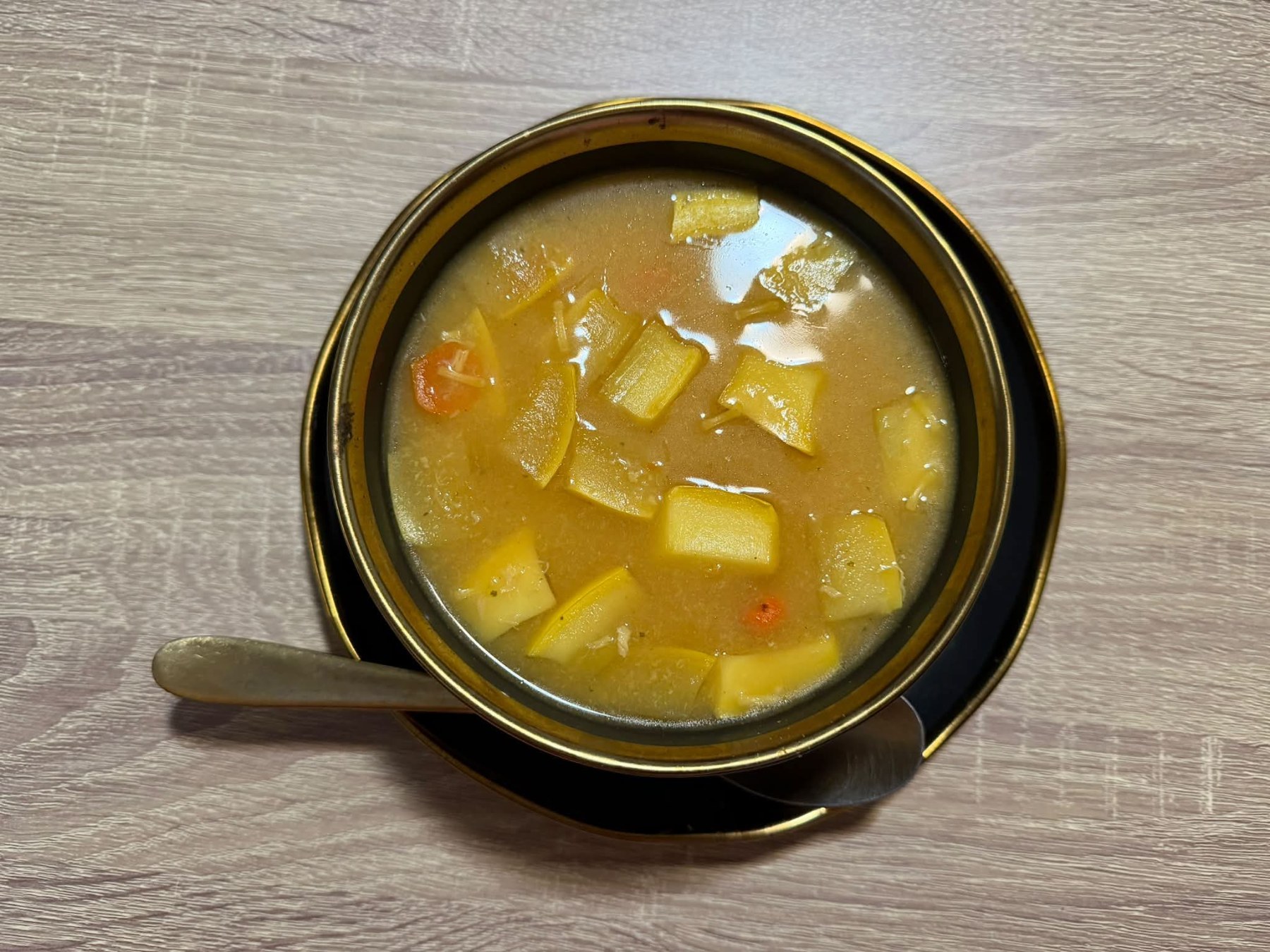
Potato Vegetable Soup is a warm and nourishing dish perfect for any season, offering both comfort and nutrition in every spoonful. This easy recipe combines simple, wholesome ingredients like potatoes, carrots, onion, and celery cooked in a flavorful vegetable or chicken broth. It’s an ideal choice for home cooks looking to create a satisfying meal that is healthy, versatile, and straightforward to prepare.
Whether you’re new to making soups or seeking a reliable recipe for a wholesome, comforting meal, this Potato Vegetable Soup is a fantastic option. It requires minimal prep time yet delivers rich flavor with a tender, hearty texture that’s sure to please your family and guests. This recipe works well as a quick weekday dinner or a cozy weekend lunch.
Why you’ll love this Potato Vegetable Soup
- This soup is easy to make with simple pantry ingredients and minimal prep time, making it accessible for cooks of all skill levels.
- It offers a comforting and hearty meal that’s suitable for vegetarians when prepared with vegetable broth, providing a nutritious, plant-based option.
- The combination of potatoes and fresh vegetables creates a rich texture and balanced mix of flavors that satisfy without heaviness.
- This versatile recipe can be customized with your favorite herbs and spices, allowing you to tailor it to your taste preferences.
- Potato Vegetable Soup is perfect for batch cooking and reheats exceptionally well, making it convenient for quick meals throughout the week.
Ingredients
- 2 tbsp butter or oil
- 1 medium onion, diced
- 2 celery stalks, sliced
- 2 medium carrots, sliced
- 4 medium potatoes, peeled and cut into chunks
- 6 cups vegetable broth or light chicken broth
- 1 bay leaf
- 1 tsp salt, or to taste
- 1/2 tsp black pepper
- 2 tbsp chopped parsley (optional)
Prep time: 15 minutes | Cook time: 30 minutes | Servings: 4
The key ingredients in this Potato Vegetable Soup include fresh potatoes, carrots, and celery, which provide a natural sweetness and hearty texture essential for a satisfying soup. Selecting the right potatoes is crucial; Yukon Gold and Russet varieties are excellent choices because they hold their shape during cooking while delivering a creamy interior that thickens the broth naturally. Fresh, firm vegetables ensure vibrant flavor and texture, so choose crisp carrots and celery. Using a good-quality vegetable or light chicken broth adds depth to the soup without overpowering the gentle vegetable notes, creating a balanced and flavorful base.
Instructions
- Heat butter or oil: Place a soup pot over medium heat and add the butter or oil, allowing it to melt and warm up. This step is essential to create a flavorful base by gently cooking the aromatics.
- Sauté vegetables: Add the diced onion, sliced celery, and carrots to the pot. Cook for 5 to 7 minutes, stirring occasionally until the vegetables soften slightly and release their aroma. This process develops sweetness and layers of flavor.
- Add potatoes and broth: Stir in the peeled and chunked potatoes, then pour in the vegetable or chicken broth. Add the bay leaf, salt, and black pepper to the pot to infuse the broth with subtle seasoning and fragrance.
- Bring to a boil, then simmer: Increase the heat to bring the soup to a boil. Once boiling, reduce the heat to maintain a gentle simmer. Simmering gently prevents the vegetables from breaking apart too quickly and allows flavors to meld.
- Cook until tender: Let the soup simmer for 20 to 25 minutes, or until the potatoes are tender and the broth is flavorful. Test the potatoes by piercing with a fork; they should be soft but not falling apart completely.
- Remove bay leaf and thicken: Take out the bay leaf. For a slightly thicker broth, lightly mash a few potato chunks in the pot while keeping most pieces intact. This technique thickens the soup naturally without needing cream or flour.
- Adjust seasoning and serve: Taste the soup and adjust salt and pepper as needed. Stir in chopped parsley if using, then serve the soup hot to enjoy its full, fresh flavors.
Tips for the best results
- Use firm potatoes like Yukon Gold or Russet: These varieties hold their shape during cooking while offering a creamy interior that naturally thickens the soup, balancing texture and richness.
- Don’t overcook the vegetables: Keep them tender but not mushy to preserve texture and flavor. Overcooked vegetables can become bland and lose their pleasant bite.
- Lightly mash some potatoes in the pot: This thickens the broth naturally, adding body and creaminess without needing dairy or flour, making the soup lighter and healthier.
- Taste and adjust seasoning at the end: Salt and pepper levels can change during cooking, so adjusting at the end ensures the perfect balance and enhances all the flavors.
- Add fresh parsley just before serving: Fresh herbs brighten the soup and add a subtle freshness that complements the warm, earthy flavors.
- Use low-sodium broth: This gives you control over the soup’s saltiness, allowing you to season to your preference and keep the dish healthy.
Variations and substitutions
- Replace butter or oil with olive oil: This offers a healthier fat option and imparts a mild fruity flavor that pairs well with the vegetables.
- Add garlic or leeks with the onions: Introducing these aromatics adds an extra layer of savory complexity and depth to the soup’s flavor.
- Include other vegetables like peas, corn, or green beans: Adding colorful vegetables increases the nutrient content and adds visual appeal and texture variety.
- Use sweet potatoes instead of regular potatoes: This creates a sweeter, more vibrant soup with a unique flavor profile and additional nutrients like beta-carotene.
- For a creamier soup, finish with cream or coconut milk: Adding a splash before serving enriches the broth and adds a smooth, luxurious mouthfeel.
Serving suggestions
Serve Potato Vegetable Soup hot as a satisfying starter or a light main course that warms and nourishes. It pairs beautifully with crusty bread, garlic toast, or a simple green salad for a balanced meal. For a heartier experience, add a side of roasted vegetables or a protein such as grilled chicken or tofu to complement the soup’s gentle flavors. Garnishing with fresh herbs, a sprinkle of grated cheese, or a drizzle of good-quality olive oil can enhance both the flavor and presentation, making it perfect for family dinners or casual entertaining.
Storage and reheating
Store any leftover Potato Vegetable Soup in an airtight container in the refrigerator for up to 3 days to maintain freshness and flavor. When ready to eat, gently reheat the soup on the stovetop over medium-low heat, stirring occasionally to prevent sticking and ensure even warming. Alternatively, reheat in the microwave in short intervals, stirring between each to distribute heat evenly and avoid hot spots. If the soup thickens too much during storage, add a splash of broth or water to loosen it before reheating, restoring the desired consistency without diluting flavor.
Frequently asked questions
Can I make Potato Vegetable Soup vegan?
Absolutely. To make the soup vegan, simply use vegetable broth instead of chicken broth and replace the butter with a plant-based oil like olive oil or coconut oil. These substitutions keep the soup fully plant-based while maintaining rich, satisfying flavor and a smooth texture.
How can I make this soup creamier without cream?
Lightly mashing some of the cooked potatoes in the soup naturally thickens it and creates a creamy texture without adding dairy. Another method is to blend a portion of the soup using an immersion blender or regular blender, then mix it back into the pot. Both techniques add body and richness while keeping the soup light and dairy-free.
Can I freeze Potato Vegetable Soup?
Yes, Potato Vegetable Soup freezes very well. Store it in an airtight container or freezer-safe bag, leaving some space for expansion, and freeze for up to 3 months. To enjoy, thaw the soup overnight in the refrigerator, then reheat gently on the stovetop, stirring occasionally to restore texture and flavor. Keep in mind that potatoes may slightly change texture after freezing but the soup will still be delicious.
What other herbs can I use besides parsley?
Thyme, dill, or chives are excellent alternatives or additions to parsley, each bringing their own unique aroma and flavor notes. Add fresh herbs at the end of cooking or just before serving to preserve their bright color and delicate taste, enhancing the overall freshness of the soup.
Is it necessary to peel the potatoes?
Peeling potatoes results in a smoother texture and a clean appearance, which many prefer in a classic soup. However, leaving the skins on adds a rustic feel and extra nutrients such as fiber and antioxidants. If you choose to leave the skins, make sure to wash the potatoes thoroughly to remove any dirt or residues before cooking.
Final thoughts
Potato Vegetable Soup is a comforting and easy-to-make dish that brings wholesome, fresh ingredients together in a warm, flavorful broth. Its simplicity and versatility make it a must-have recipe to keep in your cooking repertoire for busy weeknights or cozy meals. By following this recipe, you’ll enjoy a nourishing and satisfying soup that’s sure to become a family favorite. Give it a try and experience the comforting taste of homemade soup made with love.