
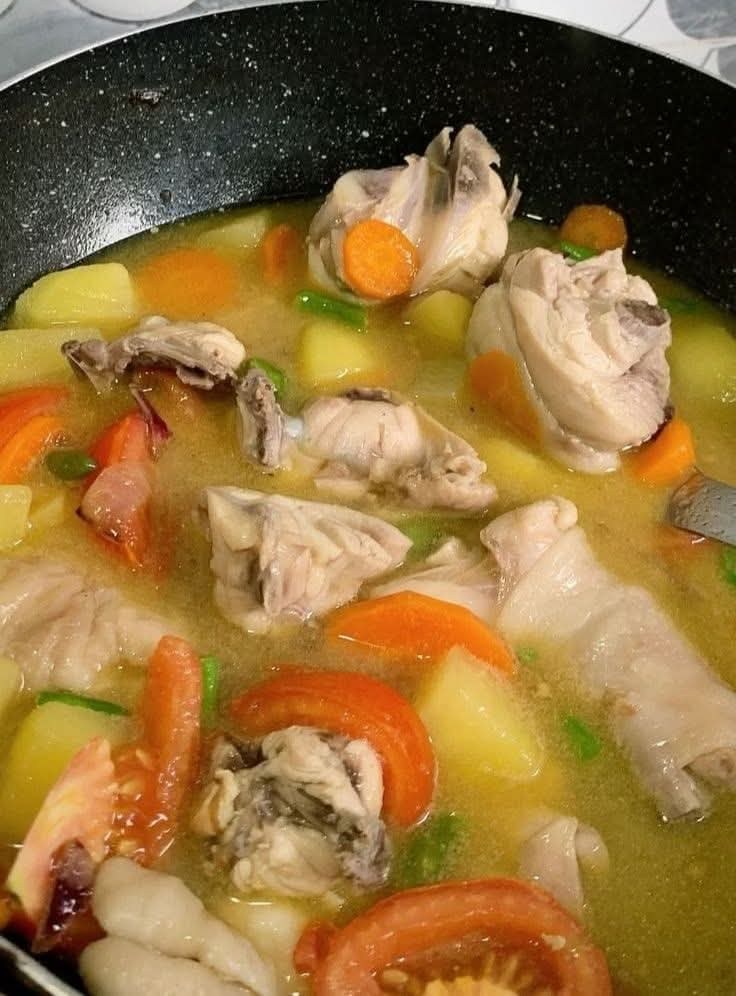
Chicken Nilaga Soup is a beloved classic Filipino dish that showcases simple, comforting flavors through tender chicken simmered alongside wholesome vegetables in a clear, aromatic broth. This traditional soup is a perfect choice for anyone seeking a warm, nourishing meal that’s both satisfying and easy to prepare. Its gentle flavors and hearty ingredients make it a favorite across generations and an ideal introduction to Filipino cuisine.
With just a handful of basic ingredients and straightforward cooking steps, Chicken Nilaga Soup delivers a balanced blend of savory and subtly sweet tastes. The slow simmering process extracts rich flavors from the chicken and vegetables, while the fish sauce adds a depth of umami without overpowering the broth. Whether you’re cooking for family dinners or looking for a soothing bowl on a chilly day, this recipe offers a wholesome, crowd-pleasing meal.
Why you’ll love this Chicken Nilaga Soup recipe
- This soup uses simple, wholesome ingredients that are easy to find and prepare, making it accessible to cooks everywhere.
- The slow simmering process creates tender chicken and a rich, flavorful broth that is deeply comforting.
- It’s a versatile dish that can be customized with your favorite vegetables to suit your taste and seasonal availability.
- Chicken Nilaga is light yet filling, making it perfect for any season or occasion, from casual lunches to family gatherings.
- The recipe is straightforward and approachable, suitable for cooks of all skill levels, including beginners.
Ingredients
- 1.5 kg bone-in chicken, cut into serving pieces
- 8 cups water
- 1 large onion, quartered
- 2 medium tomatoes, quartered
- 1 tbsp fish sauce
- 1 tsp whole black peppercorns
- 3 medium potatoes, peeled and chunked
- 2 medium carrots, sliced into rounds
- 150 g green beans, trimmed and cut into short lengths
- 1 small cabbage or 1 bunch pechay, optional
- Salt to taste
Serving size: 6 servings | Prep time: 15 minutes | Cook time: 45 minutes
The key to a rich, flavorful Chicken Nilaga lies in the quality of the chicken and fresh vegetables you choose. Opt for bone-in chicken pieces with skin, as the bones and skin release collagen and fat that enrich the broth with body and flavor. Fresh potatoes and carrots provide natural sweetness and a pleasant texture that contrasts nicely with the tender chicken. The optional cabbage or pechay adds a mild, leafy green element that brightens the soup. Using a good-quality fish sauce is important, as it contributes a savory umami depth that balances the broth without overwhelming the delicate flavors.
Instructions
- Combine key ingredients: Place the chicken, water, quartered onion, tomatoes, fish sauce, and whole black peppercorns in a large pot. Bring to a boil over medium-high heat, skimming off any foam that rises to keep the broth clear.
- Simmer the chicken: Lower the heat to medium-low, cover the pot, and let it simmer for 25 to 30 minutes until the chicken starts to become tender but is not fully cooked through.
- Add root vegetables: Add the peeled and chunked potatoes and sliced carrots to the pot. Continue simmering for another 10 to 12 minutes until these vegetables are nearly cooked through but still hold their shape.
- Incorporate green vegetables: Add the trimmed green beans and either cabbage or pechay if using. Simmer for an additional 3 to 5 minutes until the vegetables become tender but not mushy, preserving their fresh texture.
- Season to taste: Taste the broth and adjust seasoning by adding salt or more fish sauce as needed to balance the flavors perfectly.
- Serve hot: Ladle the soup into bowls and serve immediately. Chicken Nilaga is traditionally enjoyed with steamed rice on the side for a complete and satisfying meal.
Tips for the best results
- Use bone-in chicken pieces for a richer, more flavorful broth: The bones release gelatin and marrow during simmering, adding depth and body to the soup that boneless cuts cannot replicate.
- Skim the foam during boiling to ensure a clear and clean-tasting soup: Removing impurities early prevents cloudiness and off-flavors, resulting in a visually appealing broth and a purer taste.
- Add vegetables in stages to avoid overcooking and maintain their texture: Root vegetables need more time to soften than green vegetables, so adding them separately ensures each component is perfectly cooked.
- Simmer gently on low heat to keep the chicken tender and prevent broth cloudiness: A gentle simmer extracts flavors slowly without breaking down the chicken fibers too quickly or causing the broth to become murky.
- Adjust the fish sauce gradually to achieve the right balance of saltiness and umami: Adding it slowly allows you to control the seasoning and prevents overpowering the delicate broth with saltiness.
- Serve immediately after cooking to enjoy the soup at its freshest and most flavorful: The texture and aroma are best when the soup is hot and fresh, as prolonged sitting can cause vegetables to become mushy and flavors to dull.
Variations and substitutions
- Substitute bone-in chicken with bone-in pork ribs for a richer broth and a different flavor profile, adding a heartier, slightly fattier taste.
- Use sweet corn chunks or saba bananas as additional vegetables to introduce a natural sweetness that complements the savory broth.
- Replace green beans with snap peas or snow peas for a crisper texture and a fresh, slightly sweet flavor.
- Swap cabbage or pechay with bok choy or mustard greens for a different leafy green taste and a slight peppery note.
- For a spicier twist, add sliced chili peppers during cooking or serve with a side of chili vinegar to enhance the flavor complexity.
Serving suggestions
Chicken Nilaga is traditionally served hot alongside steamed white rice, allowing the rice to soak up the flavorful broth and balance the tender chicken and vegetables. For an added burst of flavor, prepare a simple dipping sauce made from fish sauce mixed with calamansi juice and chopped chili peppers. This dipping sauce intensifies the savory and tangy notes, enhancing each bite of chicken. The soup also pairs well with light Filipino side dishes such as atchara (pickled papaya) or fresh green salads, which provide a refreshing contrast to the warm, hearty soup. Serving a side of crusty bread is another option for soaking up the broth in a more Western-style meal.
Storage and reheating
Leftover Chicken Nilaga should be stored in an airtight container in the refrigerator and consumed within 3 days to ensure freshness and safety. When reheating, warm the soup gently over low heat on the stove to prevent the chicken from toughening and to preserve the broth’s clarity and flavor. Avoid boiling the soup again, as this can cause the vegetables to become mushy and the broth to cloud. For longer storage, Chicken Nilaga freezes well for up to one month; thaw it overnight in the refrigerator before reheating gently. When reheating from frozen, allow extra time to heat through evenly without rapid boiling.
Frequently asked questions
What is Chicken Nilaga?
Chicken Nilaga is a traditional Filipino boiled soup made by simmering bone-in chicken with vegetables such as potatoes, carrots, and green beans in a clear, savory broth. It is seasoned with fish sauce and whole peppercorns, resulting in a mild, comforting dish often served with rice. This soup is popular for its simplicity, nourishing qualities, and its ability to warm the body and soul.
Can I use boneless chicken for this recipe?
While boneless chicken can be used for convenience and quicker cooking, bone-in pieces are preferred because the bones and skin contribute gelatin and fat that enrich the broth’s flavor and texture. Boneless chicken cooks faster but may result in a broth that is lighter and less complex in taste. If using boneless chicken, consider adding chicken bones or a broth base to compensate.
What vegetables can I add to Chicken Nilaga?
The classic vegetables for Chicken Nilaga include potatoes, carrots, green beans, and leafy greens like cabbage or pechay. However, you can customize the soup by adding other vegetables such as corn on the cob chunks, saba bananas for sweetness, or leafy greens like bok choy and mustard greens to introduce different textures and flavors. The key is to add vegetables that complement the mild broth and cook within the simmering time.
How do I make the broth clear?
To achieve a clear broth, it is important to skim off the foam and impurities that rise to the surface during the initial boiling. Simmer the soup gently over low heat rather than boiling vigorously, as rapid boiling agitates the broth and causes cloudiness. Avoid stirring the soup too much, and use fresh, clean ingredients to minimize particles that can cloud the broth. These steps help produce a clean, visually appealing soup.
Is fish sauce necessary in Chicken Nilaga?
Fish sauce is a key ingredient in Chicken Nilaga because it adds a distinctive umami flavor that enhances the broth’s depth without overpowering its mildness. While you can substitute fish sauce with salt, the resulting flavor will be less complex and authentic. For those who prefer a milder taste or have dietary restrictions, adjusting the amount of fish sauce or using alternatives like soy sauce can work, but the traditional flavor profile will differ.
Final thoughts
Chicken Nilaga Soup is a timeless Filipino comfort dish that brings warmth, wholesome flavors, and a sense of home to your dining table. Its simplicity combined with fresh, quality ingredients and tender chicken makes it a favorite for family meals and cozy evenings. This easy-to-follow recipe invites you to explore Filipino cuisine and enjoy a nourishing, satisfying soup that’s sure to become a staple in your kitchen. Try making Chicken Nilaga today and experience the heartwarming flavors of this classic soup.