
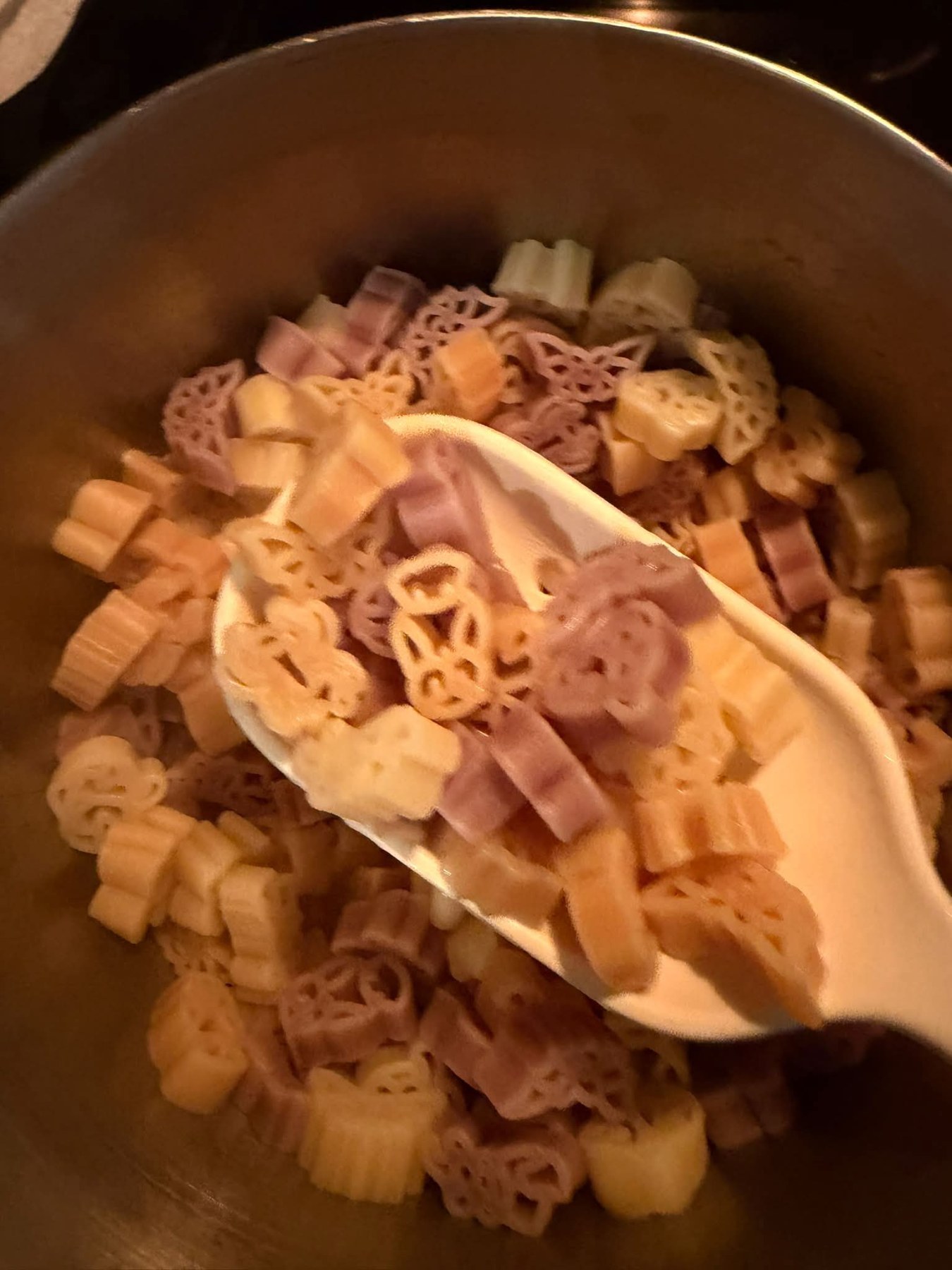
Tri-Color Shaped Vegetable Pasta is a vibrant, flavorful dish that puts a fresh twist on traditional pasta meals. Made with pasta infused with vegetable powders like spinach, tomato, and beet, this recipe delivers eye-catching colors alongside a mild, earthy taste. It’s an ideal solution for home cooks who want a quick, fuss-free meal that still feels special. Ready in just about 15 minutes, it’s perfect for busy weeknights or a simple lunch that brings a bit of brightness to your plate.
This recipe is especially suited for families and anyone who appreciates a visually appealing dish with minimal preparation. The tri-color pasta shapes add fun texture and color, encouraging even picky eaters to enjoy their meal. With basic ingredients like butter and Parmesan cheese, it balances simplicity and comfort, yet provides a delicious base that you can easily customize with your favorite sauces, herbs, or proteins.
Why you’ll love this Tri-Color Shaped Vegetable Pasta
- It cooks quickly in just about 10 minutes, making it perfect for hectic schedules and last-minute meals.
- The tri-color pasta introduces vibrant natural hues and subtle vegetable flavors that enhance the dish’s appeal.
- Simple ingredients such as butter and Parmesan cheese create a rich, creamy, and comforting taste without complexity.
- This recipe provides a versatile base that pairs beautifully with a wide range of sauces, toppings, or proteins.
- Its family-friendly presentation and flavors make it especially appealing to kids and adults looking for a colorful, enjoyable pasta experience.
Ingredients
- 12 oz tri-color shaped vegetable pasta
- 3 quarts water
- 1 tbsp kosher salt
- 2 tbsp butter or 1 tbsp olive oil
- 1/4 cup grated Parmesan cheese
- Optional: black pepper to taste
This recipe serves 4 and requires 5 minutes of prep time plus 10 minutes of cooking. The tri-color shaped pasta is crafted from durum wheat semolina combined with vegetable powders such as spinach, tomato, and beet, which impart natural green, red, and orange colors. When choosing your pasta, opt for good-quality dried shapes that retain their texture and shape well after cooking, ensuring a pleasing bite. Freshly grated Parmesan cheese is essential for a creamy, nutty flavor that melts smoothly. Butter or olive oil adds a silky richness, complementing the vegetable notes without overpowering them.
Instructions
- Bring water to a boil: Pour 3 quarts of water into a large pot and bring it to a rolling boil over high heat.
- Add salt and pasta: Stir in 1 tablespoon of kosher salt, then add the 12 ounces of tri-color shaped pasta to the boiling water.
- Cook pasta until tender: Follow the package instructions for cooking time, usually 7 to 10 minutes for small dried shapes. Stir occasionally to prevent sticking and ensure even cooking.
- Drain pasta and reserve water: Drain the pasta thoroughly, but keep a few tablespoons of the cooking water in case you want to adjust the sauce texture.
- Toss with butter or oil: Return the drained pasta to the pot. Add 2 tablespoons butter or 1 tablespoon olive oil and toss well to coat the pasta evenly.
- Add Parmesan and season: Stir in 1/4 cup grated Parmesan cheese and a splash of reserved pasta water to lightly coat the pasta with a silky finish. Season with black pepper to taste if desired.
- Serve immediately: Plate the pasta right away as a simple buttered dish or use it as a base to add your favorite pasta sauce or toppings.
Tips for the best results
- Use plenty of water: Using at least 3 quarts of water prevents the pasta from sticking together and allows it to cook evenly by providing enough space for the shapes to move freely.
- Cook to al dente: Avoid overcooking by testing the pasta a minute or two before the package’s minimum time. Al dente pasta has a slight firmness that holds the shape and texture well, preventing mushiness.
- Reserve pasta water: Keeping a few tablespoons of the starchy cooking water helps to emulsify the butter and Parmesan, creating a smooth, glossy sauce that clings perfectly to the pasta.
- Grate Parmesan fresh: Freshly grated Parmesan melts better and has a more vibrant flavor compared to pre-grated versions, enhancing the overall taste and texture of the dish.
- Add butter off the heat: Incorporate butter after removing the pot from direct heat to avoid burning and to preserve its delicate, creamy flavor.
- Stir frequently while cooking: Regular stirring prevents the tri-color pasta shapes from clumping or sticking to the bottom of the pot, ensuring even cooking and maintaining their individual shape.
Variations and substitutions
- Use olive oil instead of butter: Swap butter for olive oil to create a dairy-free version with a fruity, slightly peppery aroma that complements the vegetable pasta.
- Add sautéed aromatics: Incorporate garlic or shallots sautéed in olive oil or butter before tossing the pasta to introduce deeper, savory layers of flavor.
- Fresh herbs: Stir in chopped basil, parsley, or oregano to add a fresh, herbal brightness that contrasts nicely with the earthy pasta colors.
- Nut toppings: Sprinkle toasted pine nuts, walnuts, or almonds on top for added crunch, nuttiness, and textural contrast.
- Vegan alternatives: Use vegan Parmesan substitutes or nutritional yeast to keep the dish vegan-friendly while still delivering cheesy, savory notes.
Serving suggestions
This tri-color shaped vegetable pasta is a versatile dish that can be served as a simple main course or a colorful side. Pair it with a crisp green salad dressed with lemon vinaigrette to balance the richness of the butter and Parmesan. Crusty artisan bread or garlic bread complements the meal beautifully, adding texture and a satisfying crunch. For a heartier plate, serve alongside roasted vegetables like asparagus or bell peppers, or add grilled chicken, shrimp, or tofu for extra protein. You can also elevate the dish by stirring in a classic tomato sauce, fresh pesto, or a light cream sauce to introduce new layers of flavor and richness.
Storage and reheating
Leftover tri-color vegetable pasta can be stored in an airtight container in the refrigerator for up to 3 days. To maintain the best texture, avoid overcrowding the container to prevent clumping. When reheating, add a splash of water, broth, or olive oil to restore moisture and prevent the pasta from drying out. Warm gently in a skillet over medium-low heat, stirring frequently to heat evenly without overcooking. Alternatively, microwave in short 30-second bursts, stirring in between to ensure the pasta heats through without becoming mushy.
Frequently asked questions
What is tri-color shaped vegetable pasta made from?
Tri-color vegetable pasta is made primarily from durum wheat semolina combined with natural vegetable powders such as spinach, tomato, and beet. These powders provide the pasta with its distinctive green, red, and orange colors, as well as subtle earthy and sweet vegetable notes that enhance the overall flavor profile.
Can I use fresh pasta instead of dried tri-color pasta?
Yes, fresh tri-color pasta is an excellent alternative if available. Fresh pasta cooks much faster, typically in 2 to 4 minutes, so it’s important to watch it closely to avoid overcooking. Fresh pasta offers a tender texture and delicate mouthfeel, which can complement the light butter and Parmesan sauce beautifully.
Is this recipe suitable for vegans?
The basic recipe includes butter and Parmesan cheese, which are not vegan ingredients. However, you can easily adapt it by substituting butter with olive oil and using a vegan Parmesan alternative or nutritional yeast to replicate the cheesy flavor. This makes the dish fully vegan-friendly without sacrificing taste or texture.
Can I add vegetables or protein to this pasta?
Absolutely! This pasta serves as a versatile base that pairs well with a variety of sautéed or roasted vegetables such as bell peppers, zucchini, mushrooms, or cherry tomatoes. For added protein, grilled chicken, shrimp, tofu, or even crispy chickpeas can be tossed in to create a more substantial and balanced meal.
How do I prevent the pasta from sticking together?
To prevent sticking, use a large pot with plenty of boiling water, which allows the pasta shapes to move freely. Stir the pasta occasionally during cooking to separate the pieces. After draining, tossing the pasta immediately with butter or olive oil coats the shapes and prevents them from clumping. Avoid rinsing the pasta after cooking, as the starch on the surface helps sauces cling better and keeps the pasta from becoming slippery.
Final thoughts
Tri-Color Shaped Vegetable Pasta is a delightful dish that brings color, flavor, and simplicity to your kitchen. Its quick cooking time and easy preparation make it a reliable go-to for busy days, while its versatility invites endless customization. Whether served plain with butter and Parmesan or dressed up with your favorite additions, this recipe is sure to brighten your meals and please the whole family. Give it a try and enjoy a tasty, colorful pasta experience that’s both comforting and fun.