
Before the Storm: Recognizing Subtle Warning Signs That May Precede a Stroke
Time is brain. This medical adage isn’t poetic exaggeration—it’s physiological truth. During a stroke, nearly two million brain cells die every minute blood flow is interrupted. Yet beyond the sudden, dramatic symptoms we’ve been taught to recognize lies another critical truth: for some individuals, the body may whisper warnings weeks or even months before a stroke strikes.
These subtle signals aren’t guaranteed predictors—but when noticed and acted upon, they can become lifelines. Let’s explore what science tells us about early indicators, while honoring this essential truth: any sudden stroke symptom requires immediate emergency care—call 911 without delay.
Understanding Stroke: When the Brain Loses Its Lifeline
A stroke occurs when blood flow to part of the brain is disrupted, depriving delicate neural tissue of oxygen and nutrients. Without intervention, brain cells begin dying within minutes. Three primary types exist:
Type
Cause
Frequency
Ischemic Stroke
Blocked artery (blood clot or plaque)
~87% of strokes
Hemorrhagic Stroke
Bleeding in the brain (ruptured vessel)
~13% of strokes
Transient Ischemic Attack (TIA)
Temporary blockage that resolves spontaneously
“Warning stroke”—requires urgent evaluation
TIAs are particularly deceptive. Symptoms may vanish within minutes, leading people to dismiss them as fatigue or stress. Yet a TIA is the body’s emergency alert system—40% of TIA patients experience a major stroke within 48 hours without treatment.
The Subtle Shifts: Early Indicators Worth Noticing
The Subtle Shifts: Early Indicators Worth Noticing
While strokes typically strike suddenly, research suggests certain changes may emerge weeks or months beforehand—especially in individuals with uncontrolled risk factors. These aren’t definitive predictors, but signals warranting medical evaluation:
→ Unexplained exhaustion
Persistent fatigue that sleep doesn’t resolve—especially when paired with other risk factors—may reflect reduced cerebral blood flow or cardiovascular strain.
→ Facial asymmetry at rest
Not the dramatic droop of acute stroke, but subtle changes: one side of the face appearing slightly less animated, uneven smile lines, or mild numbness noticed during routine activities.
→ Sensory disturbances
Brief visual “graying out,” fleeting auditory distortions, or unexplained phantom smells (often described as burning or metallic) may indicate transient neurological disruptions.
→ Cognitive shifts
Memory lapses beyond typical forgetfulness—repeatedly losing your train of thought mid-sentence, confusion about familiar routes, or difficulty finding common words.
→ Balance changes
Unsteadiness while walking, especially without dizziness—suggesting subtle cerebellar or brainstem involvement.
→ Personality shifts
Sudden apathy, emotional lability, or uncharacteristic irritability in previously stable individuals.
→ Persistent headaches
New headache patterns—especially “thunderclap” headaches that peak within seconds—warrant immediate evaluation.
→ Numbness or weakness
Intermittent tingling in limbs, especially if recurring on one side of the body.
→ Speech hesitations
Momentary word-finding difficulties beyond normal “tip-of-the-tongue” moments.
→ Vision changes
Brief episodes of blurred or double vision not explained by eye conditions.
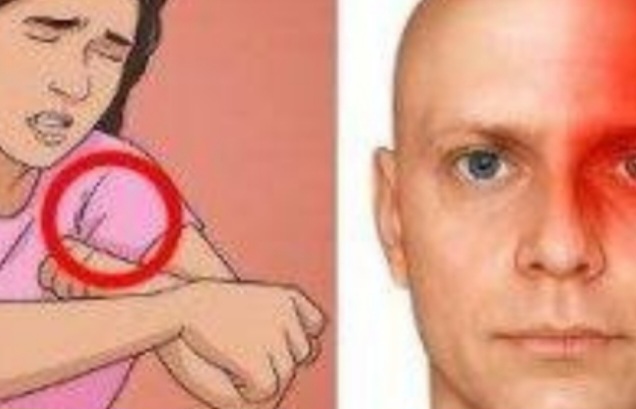
Critical distinction: These potential precursors differ fundamentally from acute stroke symptoms—which strike SUDDENLY and require IMMEDIATE 911 response:
→ Face drooping
→ Arm weakness
→ Speech difficulty
→ Time to call emergency services
Prevention: Your Daily Defense
While we cannot eliminate all stroke risk, evidence-based lifestyle choices significantly reduce vulnerability:
✓ Blood pressure control (the #1 modifiable risk factor)
✓ Cholesterol management through diet and medication if needed
✓ Smoking cessation (doubles stroke risk within hours of use)
✓ Moderate alcohol consumption (≤1 drink/day for women, ≤2 for men)
✓ Regular physical activity (150 mins/week of moderate exercise)
✓ Blood sugar management for those with diabetes
✓ Atrial fibrillation monitoring (untreated AFib increases stroke risk 5-fold)
A Note of Wisdom
Our bodies speak in whispers before they scream. A subtle fatigue. A fleeting numbness. A momentary confusion. These aren’t reasons for panic—but invitations for presence. To listen. To consult a physician without shame. To honor the quiet signals before they become emergencies.
And should sudden symptoms strike—face drooping, arm weakness, slurred speech—remember:
Do not drive yourself to the hospital.
Do not “wait to see if it passes.”
Call 911 immediately.
Every minute saved preserves precious brain function.
Final Thought
Stroke awareness isn’t about living in fear.
It’s about living with attention.
The courage to notice subtle shifts.
The wisdom to seek help early.
The compassion to check on loved ones who seem “off.”
Because the most powerful stroke prevention tool isn’t a medication or a scan— it’s the human capacity to listen— to our bodies, to our loved ones,
and to the quiet wisdom that says:
“This doesn’t feel right. I will act with care.”
Note: This article provides general health information. It does not replace professional medical advice. If you experience any concerning symptoms—subtle or sudden—consult a healthcare provider promptly. For suspected stroke symptoms, call emergency services immediately.