
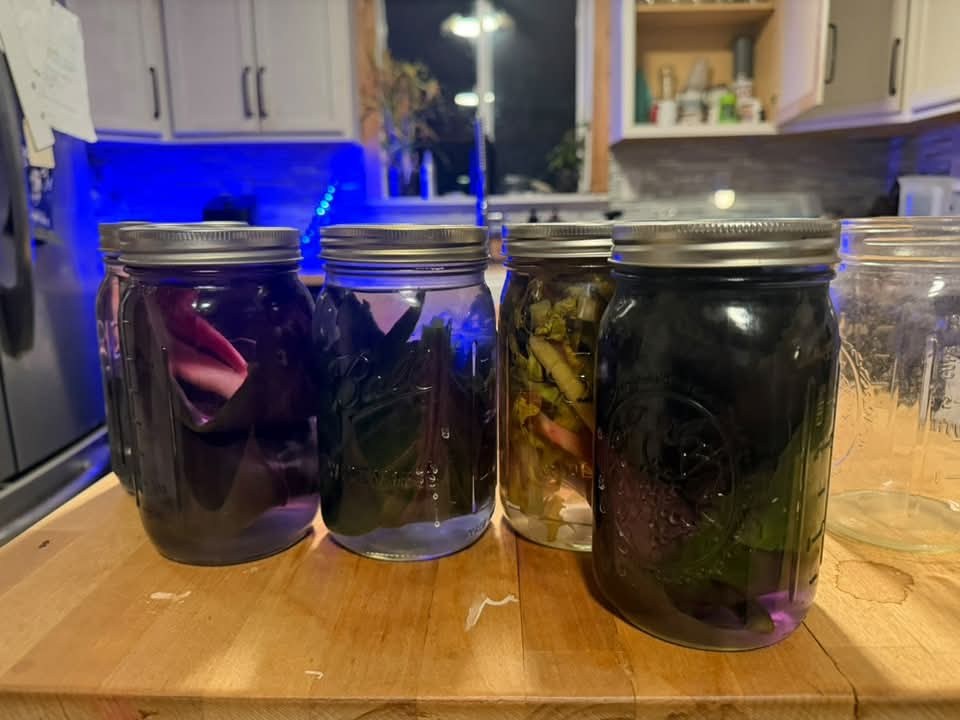
Assorted Pickled Vegetables in Mason Jars is a delightful and versatile recipe that transforms fresh garden vegetables into tangy, crunchy delights. This method combines red onions, crisp cucumbers, green beans or asparagus, and aromatic spices in a balanced brine that enhances each vegetable’s natural flavor. Whether you’re an experienced home cook or just starting out, this recipe offers a straightforward way to preserve seasonal produce while adding a zesty touch to your meals.
With just 20 minutes of preparation and a brief simmer of the brine, you can create four pint jars filled with vibrant pickled vegetables ready to refrigerate and enjoy. This approach is perfect for preserving the bounty of your garden or elevating everyday dishes with a refreshing condiment. The combination of vinegar, salt, sugar, and spices ensures each bite is crisp, flavorful, and satisfying.
Why you’ll love this Assorted Pickled Vegetables in Mason Jars
- This recipe is quick and easy, requiring minimal prep and simple, accessible ingredients.
- The assortment of vegetables provides a delightful variety of textures and flavors in every jar.
- Using mason jars makes storage convenient and allows for easy gifting or meal prep.
- The brine recipe strikes a perfect balance between acidity and sweetness, resulting in deliciously well-rounded pickles.
- These pickled vegetables are incredibly versatile, great as snacks, sandwich toppings, or flavorful side dishes.
Ingredients
- 2 red onions, cut into wedges
- 4 small cucumbers, cut into spears or rounds
- 225 g green beans or asparagus, trimmed
- 3 cups white vinegar
- 3 cups water
- 3 tbsp kosher salt
- 2 tbsp sugar
- 4 cloves garlic, smashed
- 4 tsp dill seed or 8 fresh dill sprigs
- 2 tsp black peppercorns
- 1 tsp mustard seeds
- 1/2 tsp red pepper flakes (optional)
Prep time: 20 minutes | Cook time: 5 minutes | Makes: 4 pint jars
The key to exceptional pickled vegetables lies in selecting fresh, high-quality ingredients and crafting a balanced brine. Choose firm, crisp cucumbers without blemishes to ensure they stay crunchy after pickling. Fresh green beans or asparagus should snap easily when bent, indicating peak freshness. Red onions bring a mild sweetness and vibrant color that complements the other vegetables. The brine combines white vinegar and water to achieve the ideal acidity level, while kosher salt and sugar enhance flavor without overpowering the vegetables. Aromatic additions like smashed garlic, dill seed or fresh dill, mustard seeds, and black peppercorns add traditional depth and complexity, creating a well-rounded pickle experience.
Instructions
- Prepare the jars and vegetables. Wash 4 pint-size mason jars thoroughly with hot soapy water and rinse well to ensure cleanliness. Pack the vegetables inside the jars, placing red onions in at least one jar and dividing cucumbers and green beans or asparagus evenly among the others for balanced flavor and texture distribution.
- Add spices to jars. Evenly distribute the smashed garlic cloves, dill seed or fresh dill sprigs, black peppercorns, mustard seeds, and optional red pepper flakes into each jar. These spices infuse the vegetables with their signature aromatic and slightly spicy notes.
- Make the brine. In a medium saucepan, combine the white vinegar, water, kosher salt, and sugar. Bring the mixture to a simmer over medium heat, stirring frequently until the salt and sugar are completely dissolved. This ensures the brine is well balanced and flavors are evenly distributed.
- Pour brine over vegetables. Carefully pour the hot brine into each jar, making sure to cover the vegetables completely. Leave about 1/2 inch of headspace at the top to allow for expansion and to prevent overflow when sealing.
- Cool and seal jars. Allow the jars to cool to room temperature on the counter. Once cooled, seal each jar tightly with its lid to maintain freshness and prevent contamination.
- Refrigerate and wait. Place the sealed jars in the refrigerator for at least 24 hours before eating to allow the flavors to meld. For optimal taste, wait 2 to 3 days. Consume within 3 to 4 weeks for the best texture and flavor.
Tips for the best results
- Choose fresh, firm vegetables: Crispness is crucial for pickled vegetables. Fresh produce retains texture better during pickling, preventing sogginess.
- Cut vegetables uniformly: Evenly sized pieces ensure consistent brine absorption and uniform texture across all vegetables.
- Fully dissolve salt and sugar in the brine: A properly dissolved brine guarantees balanced seasoning and prevents grainy textures.
- Leave adequate headspace in jars: This prevents brine overflow during sealing and allows gases to escape, maintaining jar integrity.
- Refrigerate promptly after cooling: Quick refrigeration inhibits bacterial growth and preserves freshness and safety.
- Allow sufficient marinating time: Waiting at least 2 days enhances flavor penetration and softens vegetables just enough without losing crunch.
Variations and substitutions
- Swap green beans with asparagus or snap peas: Each offers a unique crunch and flavor profile, keeping the pickles interesting.
- Add carrots or bell peppers: These add sweetness and vibrant color, enhancing visual appeal and taste complexity.
- Use apple cider vinegar instead of white vinegar: Provides a milder, fruitier tang, perfect for those who prefer less sharpness.
- Include coriander seeds or bay leaves: These spices contribute additional aromatic layers and depth to the brine.
- Omit sugar: For a more tart, traditional pickle flavor, simply leave out the sugar from the recipe.
Serving suggestions
These assorted pickled vegetables shine as a tangy accompaniment to a variety of dishes. Serve them alongside sandwiches, burgers, or grilled barbecue meats to add a refreshing crunch and bright acidity that cuts through richer flavors. They also make a fantastic addition to salads or charcuterie boards, offering bursts of zest and texture. For a creative twist, chop them up and mix into potato salads or grain bowls to elevate the overall flavor profile. Their vibrant colors and lively taste also make them a delightful snack straight from the jar or paired with a selection of cheeses for an elegant appetizer.
Storage and reheating
Store your pickled vegetables in the refrigerator in tightly sealed mason jars to maintain freshness and crispness. Properly stored, they will keep well for 3 to 4 weeks, allowing you to enjoy their tangy flavor over time. There is no need to reheat pickled vegetables; they are best served cold or at room temperature to preserve their crunch and bright taste. If you wish to store them for longer periods, you can process the jars in a boiling water bath for 10 minutes to create shelf-stable pickles suitable for pantry storage.
Frequently asked questions
How long do homemade pickled vegetables last?
When stored in the refrigerator in sealed jars, homemade pickled vegetables typically remain fresh and flavorful for 3 to 4 weeks. Beyond this period, the texture may soften, and flavors can intensify or fade. For extended preservation, you can process the jars in a boiling water bath, which can extend shelf life to several months by preventing spoilage. Always inspect pickles for off smells, mold, or discoloration before consuming.
Can I use other vegetables for pickling?
Absolutely! This pickling recipe is versatile and works well with a wide range of vegetables such as carrots, cauliflower, bell peppers, radishes, and even beets. When substituting, adjust the cutting size and packing density according to the vegetable’s firmness and texture to ensure even pickling and maintain crunch.
Is it necessary to boil the jars for storage?
Boiling the jars in a water bath is optional depending on your storage plans. If you intend to refrigerate and consume the pickles within a few weeks, refrigeration alone is sufficient and safe. However, if you want to store the pickles at room temperature for extended periods, processing the jars in a boiling water bath for 10 minutes is recommended to create a vacuum seal that prevents spoilage.
What is the purpose of sugar in the brine?
Sugar plays a key role in balancing the sharp acidity of vinegar by adding a subtle sweetness that rounds out the flavor profile. It also contributes to maintaining a better texture in some vegetables, preventing them from becoming overly soft. The right amount of sugar enhances overall palatability without making the pickles sweet.
Can I make these pickles spicy?
Yes, you can easily add heat to your pickles by including the optional red pepper flakes in the brine. For a more pronounced spice, sliced jalapeños, serrano peppers, or other chili varieties can be added to the jars. Adjust the amount of spice to suit your personal heat tolerance and flavor preference.
Final thoughts
Assorted Pickled Vegetables in Mason Jars is an easy and rewarding way to enjoy the freshness of seasonal vegetables with a punch of tangy flavor. The recipe’s simplicity, combined with its versatility, makes it perfect for home cooks looking to preserve their harvest or add exciting condiments to everyday meals. Give this recipe a try and experience the satisfying crunch and vibrant taste of homemade pickles that brighten any dish.