
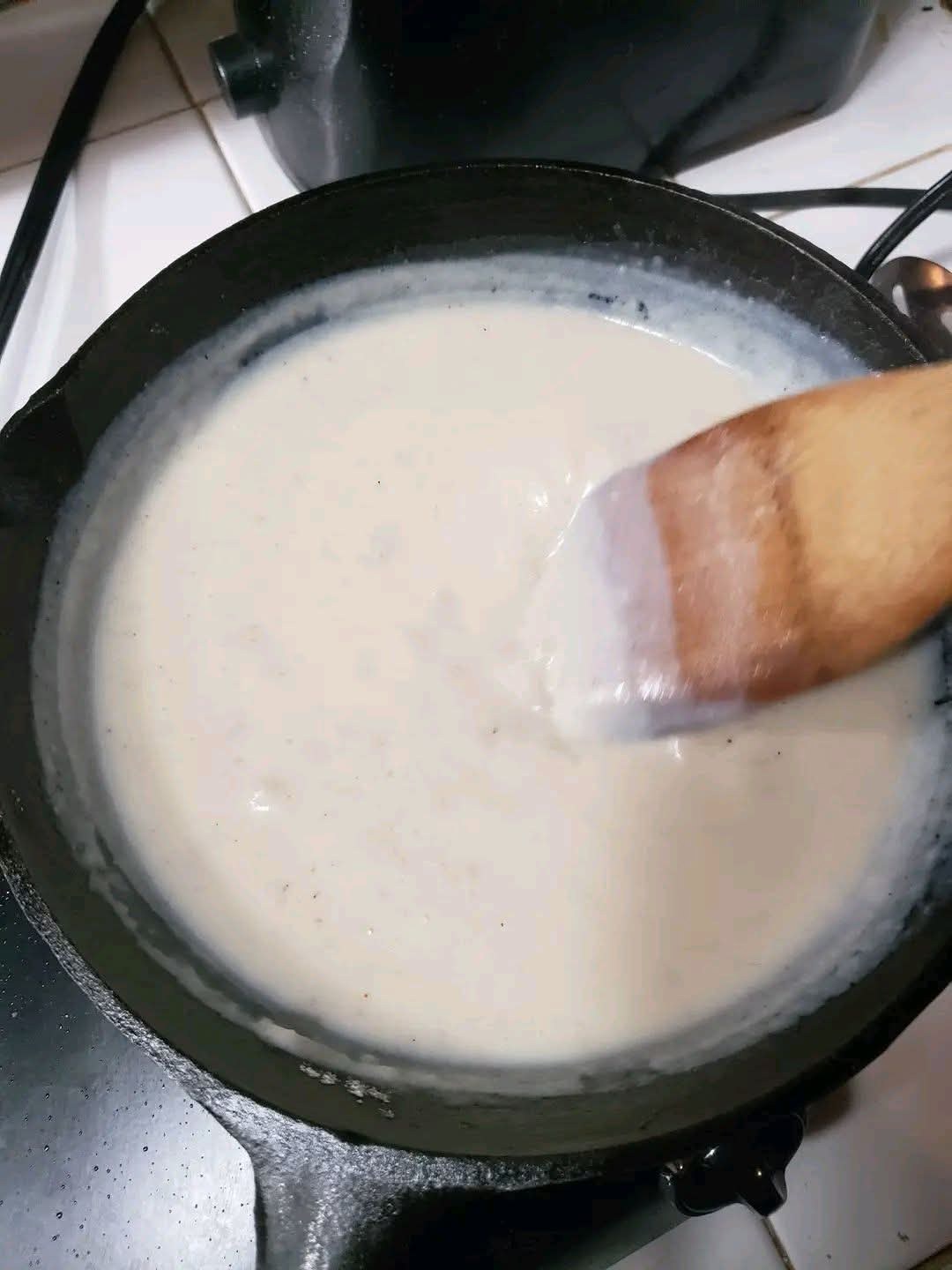
Béchamel Sauce is a classic French white sauce made from butter, flour, and milk. It serves as a versatile base for many dishes like lasagna, gratins, and creamy casseroles. This recipe is perfect for home cooks looking to master a fundamental sauce that elevates everyday meals with its rich, silky texture and subtle flavor.
This traditional sauce comes together quickly, requiring just a few simple ingredients and about 15 minutes of your time. Whether you’re a beginner or an experienced cook, this easy Béchamel Sauce recipe will help you create a smooth, creamy sauce every time, adding a professional touch to your cooking.
Why you’ll love this Béchamel Sauce
- It’s made with simple pantry staples: butter, flour, and milk, making it accessible anytime.
- The creamy texture adds richness without overwhelming other flavors, balancing dishes beautifully.
- It’s incredibly versatile, perfect for many classic dishes from baked pasta to vegetable gratins.
- The recipe is quick, ready in about 15 minutes from start to finish, ideal for busy cooks.
- It’s easy to customize with seasonings like nutmeg or pepper to suit your taste and the dish’s profile.
Ingredients
- 4 tablespoons unsalted butter
- 4 tablespoons all-purpose flour
- 2 1/2 cups whole milk, warmed
- 1/2 teaspoon kosher salt
- 1/4 teaspoon white or black pepper
- Pinch of ground nutmeg (optional)
This Béchamel Sauce recipe yields about 2 1/2 cups, enough for multiple servings or recipes. The key ingredients are butter, flour, and whole milk. Use unsalted butter to control the seasoning precisely, ensuring your sauce isn’t overly salty. Warming the milk before adding it to the roux is crucial—it prevents lumps by allowing the milk to incorporate smoothly and helps the sauce thicken faster. Whole milk is preferred for its fat content, which creates a rich and creamy texture, but you can experiment with lighter milk options if you want a lighter sauce, keeping in mind the texture will be less velvety.
Instructions
- Melt the butter: Place 4 tablespoons of unsalted butter in a skillet or saucepan over medium heat and let it melt completely without browning. This gentle melting preserves the butter’s delicate flavor and prevents a nutty taste that can alter the sauce.
- Make the roux: Add 4 tablespoons of all-purpose flour to the melted butter. Whisk or stir constantly for 1 to 2 minutes until the mixture forms a pale, smooth paste. Avoid browning it to keep the sauce light and maintain the classic Béchamel flavor.
- Add warm milk gradually: Slowly pour in the 2 1/2 cups of warmed whole milk in small additions. Whisk well after each addition to prevent lumps from forming. This gradual incorporation allows the roux to absorb the milk evenly, resulting in a silky sauce.
- Cook and thicken: Continue stirring constantly as the sauce heats. Cook for about 5 to 7 minutes, until it thickens enough to lightly coat the back of a spoon with a smooth consistency. Patience here is key to developing the perfect texture without scorching.
- Season the sauce: Stir in 1/2 teaspoon kosher salt, 1/4 teaspoon white or black pepper, and a pinch of ground nutmeg if desired. Taste and adjust seasoning as needed to balance the flavors delicately.
- Use or store: Use the Béchamel Sauce immediately for best results. If not using right away, keep it warm and cover the surface with plastic wrap or buttered parchment paper to prevent a skin from forming, which can affect texture.
Tips for the best results
- Warm the milk before adding it to the roux: Cold milk can shock the roux, causing lumps. Warm milk blends smoothly and speeds up thickening.
- Whisk constantly when combining flour and butter: This prevents the roux from browning and maintains the sauce’s delicate flavor and pale color.
- Add the milk slowly in small amounts: Gradual addition with constant whisking ensures a lump-free, silky texture by allowing the flour to absorb moisture evenly.
- Cook the sauce on medium heat: Low heat won’t thicken the sauce properly, and high heat risks burning or curdling. Medium heat provides steady thickening.
- Cover the sauce surface when resting: Using plastic wrap or buttered parchment paper prevents a skin from forming, which can be unappealing and affect texture.
- Adjust seasoning at the end: Seasoning can diminish as the sauce cooks; tasting and adjusting ensures balanced flavor suited to your dish.
Variations and substitutions
- Use low-fat or skim milk for a lighter sauce, though it will be less creamy and may be slightly thinner in texture.
- Add grated Parmesan or Gruyère cheese to turn it into a Mornay sauce, perfect for gratins and baked dishes.
- Substitute butter with olive oil for a dairy-free version, but the flavor and texture will differ, becoming less rich.
- Infuse milk with onion, cloves, or bay leaf before adding for extra aromatic depth, then strain before use.
- Replace nutmeg with a pinch of white pepper or cayenne for a subtle spicy twist that complements certain dishes.
Serving suggestions
Béchamel Sauce is a fundamental component in many classic dishes. It’s excellent poured over steamed vegetables like cauliflower or broccoli, adding a luscious, creamy coating. Use it as a base for creamy casseroles or baked pasta dishes such as macaroni and cheese or lasagna, where it brings richness and smoothness. It also enhances vegetable or potato gratins by creating a velvety texture that binds the ingredients. Serve the sauce warm and freshly made for the best silky texture and subtle flavor that complements rather than overwhelms your dish.
Storage and reheating
Store leftover Béchamel Sauce in an airtight container in the refrigerator for up to 3 days. When reheating, warm it gently over low heat while stirring frequently to prevent separation or burning. If the sauce has thickened too much after cooling, add a splash of milk gradually to restore its smooth consistency. Avoid boiling the sauce during reheating, as excessive heat can cause curdling or graininess, compromising the texture.
Frequently asked questions
What is the difference between Béchamel and other white sauces?
Béchamel is a classic French white sauce made by combining a roux of butter and flour with milk. Unlike cream-based sauces, which use heavy cream or other dairy, Béchamel uses milk for its creamy texture, resulting in a lighter sauce with a subtle flavor. It is typically seasoned simply with salt, pepper, and nutmeg and serves as a versatile base for many other sauces and dishes, such as Mornay sauce or cheese sauces.
Can I make Béchamel Sauce without flour?
Flour is essential in Béchamel Sauce because it forms the roux that thickens the milk and gives the sauce its characteristic texture. Without flour, the sauce will remain thin and won’t hold properly on dishes. Some cooks use cornstarch as a thickening substitute, but this can change the traditional taste and texture, often resulting in a less smooth or slightly gelatinous consistency.
How do I prevent lumps in Béchamel Sauce?
To prevent lumps, it’s important to first whisk the flour and butter thoroughly to create a smooth roux. Then, add the milk slowly in small amounts, whisking constantly to incorporate it evenly. Using warm milk helps the mixture blend smoothly. Cooking over medium heat and stirring continuously also prevents lumps from forming, resulting in a silky, uniform sauce.
Can I freeze Béchamel Sauce?
Freezing Béchamel Sauce is possible but not ideal because the sauce may separate or become grainy after thawing due to the milk and roux combination. If you choose to freeze it, store in an airtight container and thaw gently in the refrigerator. Reheat slowly over low heat while whisking and add a bit of milk to help restore the smooth texture. Use thawed sauce promptly for best results.
What dishes can I use Béchamel Sauce in?
Béchamel Sauce is used in many recipes such as lasagna, macaroni and cheese, creamy vegetable gratins, croque monsieur sandwiches, and soufflés. It adds a rich, creamy texture and subtle flavor that enhances various savory dishes, acting as a binding and flavor-balancing component that elevates the overall dish.
Final thoughts
Mastering this classic Béchamel Sauce recipe opens the door to countless delicious dishes. With just a few ingredients and simple steps, you can create a creamy, smooth sauce that elevates everyday meals with French culinary tradition. Give this recipe a try and enjoy the timeless base of French cooking in your own kitchen, enhancing your dishes with effortless elegance.