
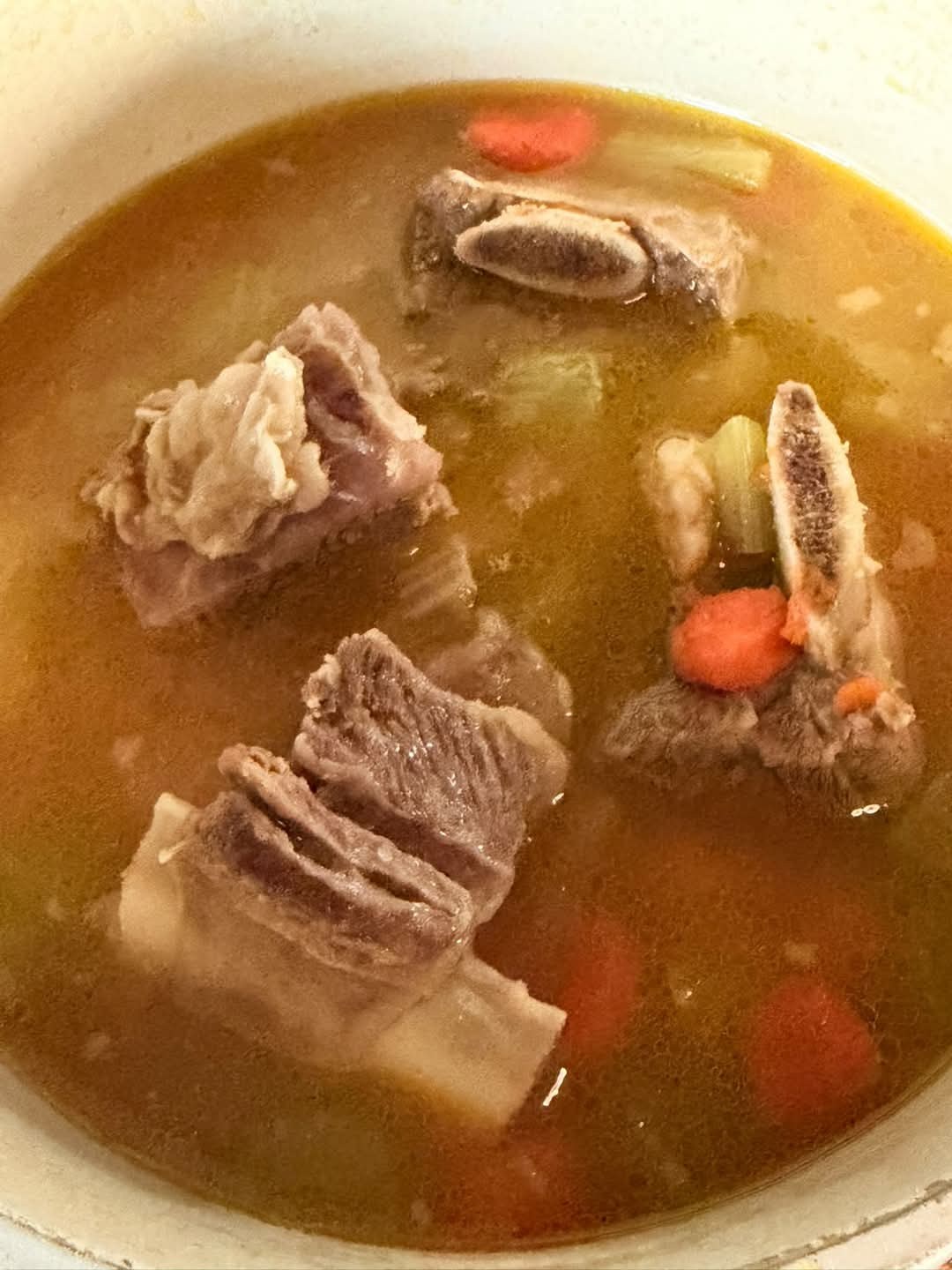
Beef Short Rib Soup is a classic, hearty dish that brings together tender beef, fresh vegetables, and a flavorful broth. This recipe is perfect for those seeking a comforting meal with deep, rich taste and satisfying textures. Whether you’re cooking for family or meal prepping for the week, this soup delivers warmth and nourishment in every spoonful.
With a total cooking time of about 3 hours, including prep and slow simmering, this soup allows the flavors to develop beautifully. It’s ideal for home cooks who appreciate traditional recipes that are straightforward yet impressive. The long simmer ensures the beef short ribs become tender and the broth gains a rich, savory depth.
Why you’ll love this Beef Short Rib Soup
- It offers tender, flavorful beef that falls off the bone after slow simmering.
- The broth is rich and deeply savory, perfect for warming up on cold days.
- The combination of fresh vegetables adds natural sweetness and texture.
- This soup is versatile, great for family dinners or making ahead for easy reheating.
- Using simple ingredients makes it accessible and budget-friendly without sacrificing taste.
Ingredients
- 3 lb beef short ribs, cut into individual bone-in pieces
- 10 cups water or low-sodium beef broth
- 1 large onion, quartered
- 3 medium carrots, sliced into rounds
- 3 celery stalks, sliced
- 3 cloves garlic, smashed
- 2 bay leaves
- 1 tsp black peppercorns
- 2 tsp kosher salt, plus more to taste
- 1 tbsp tomato paste (optional, for deeper color)
- 1 tbsp chopped parsley (optional, for serving)
Servings: 4 to 6 servings
Prep Time: 15 minutes
Cook Time: 2 hours 45 minutes
The key ingredients for this soup are beef short ribs and a flavorful liquid base—either water or low-sodium beef broth. Choosing ribs with good marbling will enhance the soup’s richness. Fresh vegetables like carrots, celery, and onion add sweetness and balance. Use fresh garlic and whole spices like bay leaves and peppercorns to build layers of flavor. Opt for low-sodium broth if you want more control over saltiness. Tomato paste is optional but adds a deeper color and complexity to the broth.
Instructions
- Rinse and parboil the ribs: Rinse the short ribs under cold water and pat them dry. Place them in a pot, cover with cold water, and bring to a boil. Boil for 5 minutes to release impurities, then drain and rinse the ribs and pot to ensure a clean broth.
- Start the broth: Return the cleaned ribs to the pot with 10 cups of fresh water or beef broth. Add the quartered onion, smashed garlic cloves, bay leaves, black peppercorns, and 2 teaspoons kosher salt.
- Simmer gently: Bring the mixture to a gentle boil, then reduce heat to a low simmer. Skim off any foam or fat that rises to the surface to keep the broth clear and clean tasting.
- Cook ribs until tender: Cover the pot partially and let the soup simmer for 2 to 2 1/2 hours. The beef should be tender but still attached to the bone, infusing the broth with rich flavor.
- Add vegetables: Add the sliced carrots and celery to the pot. Continue simmering for another 25 to 35 minutes, until the vegetables are soft but not mushy.
- Adjust and enrich: Taste the broth and add more salt if needed. Remove the onion quarters and bay leaves. If you like, stir in 1 tablespoon of tomato paste during the last 10 minutes for a slightly richer broth color and taste.
- Serve: Ladle the hot soup into bowls, including bone-in ribs. Garnish with chopped parsley if desired, and enjoy immediately.
Tips for the best results
- Pat the ribs dry before parboiling to remove surface moisture for better browning if you choose to sear them first.
- Skim foam frequently during simmering to keep the broth clear and clean-tasting.
- Maintain a low simmer rather than a rolling boil to develop deeper flavor and tender meat.
- Don’t overcook the vegetables; add them later to retain some texture and freshness.
- Use low-sodium broth to control the salt level precisely.
- Let the soup rest for a few minutes before serving to balance flavors.
Variations and substitutions
- Substitute short ribs with beef shank or oxtail for a similar rich broth and tender meat.
- Use vegetable broth instead of beef broth for a lighter flavor.
- Add root vegetables like parsnips or turnips for extra depth and variety.
- Incorporate herbs such as thyme or rosemary for an aromatic twist.
- Include barley or noodles near the end of cooking to make the soup more filling.
Serving suggestions
Beef Short Rib Soup is delicious served with crusty bread or warm dinner rolls to soak up the savory broth. A simple green salad with a light vinaigrette pairs well for a balanced meal. For added comfort, accompany the soup with steamed rice or creamy mashed potatoes. Garnishing with fresh parsley brightens the dish and adds a fresh note. This soup makes a great starter or main course on chilly days.
Storage and reheating
Store leftover soup in an airtight container in the refrigerator for up to 3 days. The flavors will deepen after sitting overnight. When reheating, warm the soup gently on the stove over medium-low heat to prevent toughening the meat. You can also freeze the soup for up to 3 months; thaw in the refrigerator overnight before reheating. Remove the bones before freezing if preferred for easier serving.
Frequently asked questions
Can I use boneless short ribs for this soup?
Yes, boneless short ribs can be used, but bone-in ribs add more flavor and richness to the broth. If using boneless, expect a slightly less intense soup, but it will still be delicious and tender.
Is it necessary to parboil the short ribs?
Parboiling helps remove impurities and results in a clearer, cleaner broth. While not absolutely required, it is recommended for the best-tasting and visually appealing soup.
Can I make this soup in a slow cooker?
Yes, after parboiling the ribs, transfer them and the other ingredients to a slow cooker. Cook on low for 6 to 8 hours or until the beef is tender. Add vegetables in the last hour to prevent overcooking.
What can I use instead of tomato paste?
If you prefer not to use tomato paste, you can omit it or substitute with a small amount of tomato sauce or a splash of Worcestershire sauce to add subtle depth and color.
How do I store leftover soup with bones?
Leftover soup with bones can be stored in the refrigerator, but for easier reheating and serving, remove the bones beforehand. Bones can be kept separately and discarded or used for making stock.
Final thoughts
Beef Short Rib Soup is a rewarding recipe that combines simple ingredients with slow cooking to create a deeply flavorful and comforting meal. Its tender meat and rich broth make it a perfect choice for family dinners or special occasions. Give this recipe a try to enjoy a classic dish that warms the soul and satisfies hunger with every hearty spoonful.