
Introduction
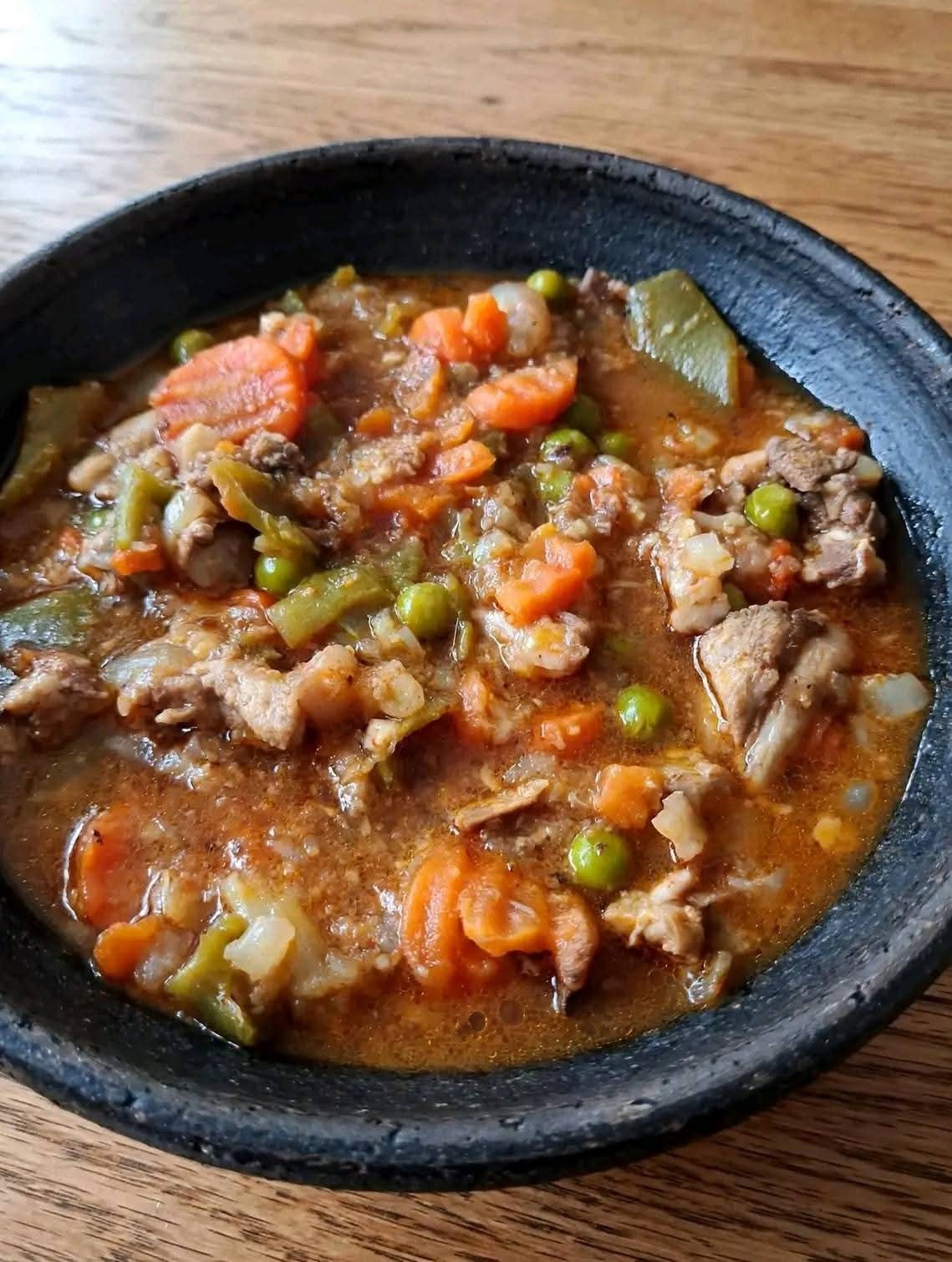
Beef Vegetable Soup is a classic, hearty dish that combines tender beef and fresh vegetables in a savory broth. This recipe is ideal for anyone seeking a comforting, nutritious meal that is straightforward to prepare and deeply satisfying to eat. Whether you’re cooking for family weeknights or a cozy weekend dinner, this soup offers both convenience and flavor.
With just over an hour of cook time and simple, wholesome ingredients, this soup delivers a rich blend of beef chuck, garden vegetables, and aromatic herbs. The slow simmering process melds these elements into a deeply flavorful broth that appeals to all ages and tastes, making it a reliable go-to recipe for home cooks.
Why you’ll love this Beef Vegetable Soup
- This soup is packed with protein and fiber, providing a balanced, filling meal that supports sustained energy.
- The slow simmering process develops deep, rich flavors that intensify the taste and texture of every ingredient.
- It uses everyday, budget-friendly ingredients that are easy to find in any grocery store.
- The recipe is highly flexible, allowing customization with your favorite vegetables or seasonings to suit your preferences.
- The soup reheats beautifully, maintaining its flavor and texture, making it perfect for delicious leftovers.
Ingredients
- 1 lb beef chuck, cut in small cubes
- 1 tbsp vegetable oil
- 1 medium onion, diced
- 2 carrots, sliced
- 2 celery stalks, diced
- 2 medium potatoes, peeled and diced
- 1 cup green beans, cut in 1-inch pieces
- 3/4 cup peas
- 2 cloves garlic, minced
- 1 tbsp tomato paste
- 1 can (14 oz) diced tomatoes
- 5 cups beef broth
- 1 tsp salt, plus more to taste
- 1/2 tsp black pepper
- 1 tsp dried thyme
- 1 bay leaf
Prep time: 20 minutes | Cook time: 1 hour 15 minutes | Servings: 4
The key ingredients in this soup include beef chuck, which is perfect for slow cooking due to its marbling and ability to become tender without drying out. Selecting fresh vegetables such as firm carrots, crisp celery, and vibrant green beans adds appealing color and varied texture, while the potatoes contribute a creamy, satisfying body. The beef broth combined with diced tomatoes forms a savory, umami-rich base. Aromatic herbs like thyme and bay leaf infuse the soup with subtle herbal notes. For best results, choose fresh, firm produce and a high-quality beef broth, preferably homemade or low-sodium for better control over seasoning.
Instructions
- Heat the oil and brown the beef: In a heavy pot over medium-high heat, warm the vegetable oil. Brown the beef cubes in batches to avoid overcrowding, allowing for a proper sear that locks in juices. Remove the browned pieces to a plate to prevent overcooking.
- Sauté the vegetables: Add diced onion, sliced carrots, and diced celery to the pot. Cook for about 5 minutes until they soften slightly and release their natural sweetness, forming a flavorful base.
- Add garlic and tomato paste: Stir in the minced garlic and tomato paste. Cook for 30 seconds, stirring constantly, to release their aromatic flavors and deepen the broth’s richness.
- Combine beef and liquids: Return the browned beef to the pot. Add diced tomatoes, beef broth, salt, black pepper, dried thyme, and the bay leaf. Stir well to combine all ingredients evenly.
- Simmer the soup: Bring the mixture to a boil, then reduce the heat to a gentle simmer. Cover the pot and cook for 45 minutes, allowing the beef to tenderize slowly and the flavors to meld.
- Add potatoes and green beans: Stir in the diced potatoes and green beans. Continue simmering uncovered for about 25 minutes until the beef is tender and the vegetables are cooked through but still hold their shape.
- Finish with peas: Add the peas and cook for an additional 5 minutes to heat through while preserving their bright color and slight snap. Remove the bay leaf, taste the soup, and adjust seasoning with salt and pepper as needed before serving.
Tips for the best results
- Use beef chuck for the best texture: This cut contains enough marbling to become tender and flavorful during slow cooking, unlike lean cuts that can dry out or toughen.
- Brown the beef in batches: Overcrowding the pan causes the meat to steam rather than sear, resulting in less flavor development. Browning in smaller batches ensures a rich, caramelized crust.
- Don’t skip the tomato paste: It adds concentrated umami and a subtle sweetness that deepens the broth’s complexity, balancing the savory elements.
- Simmer gently: A low, steady simmer prevents the beef from becoming tough and the vegetables from turning mushy, preserving texture and flavor.
- Add peas last: Peas cook quickly and can lose their vibrant color and fresh texture if added too early; adding them near the end keeps them bright and crisp.
- Adjust salt at the end: Since broth and canned tomatoes contain sodium, seasoning after cooking prevents over-salting and allows better control over the final taste.
Variations and substitutions
- Swap beef chuck for stew beef or short ribs: These cuts offer similar tenderness and flavor when slow-cooked, providing variety without altering the essence of the soup.
- Use vegetable broth instead of beef broth: For a lighter or meat-free version, vegetable broth creates a tasty base while keeping the soup flavorful and satisfying.
- Add other vegetables like corn, zucchini, or bell peppers: These can add sweetness, color, and texture, customizing the soup to seasonal availability or personal preference.
- Replace dried thyme with rosemary or oregano: These herbs bring different aromatic profiles, allowing you to experiment with flavors and tailor the soup to your liking.
- Include barley or small pasta shapes: Adding grains or pasta makes the soup heartier and more filling, perfect for colder days or when you want a more substantial meal.
Serving suggestions
Serve Beef Vegetable Soup steaming hot alongside crusty bread or warm dinner rolls to soak up the rich broth. A crisp green salad with a light vinaigrette can add freshness and balance the hearty flavors. For an extra touch, sprinkle freshly chopped parsley or a handful of grated Parmesan cheese on top to enhance aroma and taste. This soup works wonderfully as a main course for a wholesome meal or as a flavorful starter preceding larger dishes.
Storage and reheating
Store any leftover soup in an airtight container in the refrigerator for up to 3 days to maintain freshness. When reheating, warm gently over medium heat on the stove, stirring occasionally to preserve the texture of the beef and vegetables. Avoid boiling as it can break down the ingredients. For longer storage, freeze the soup in portioned containers for up to 3 months. Thaw overnight in the refrigerator before reheating to ensure even warming and best flavor retention.
Frequently asked questions
Can I use other cuts of beef for this soup?
Yes, you can substitute beef chuck with stew meat or brisket. These cuts also have enough connective tissue and fat to become tender and flavorful with slow cooking. However, avoid very lean cuts like sirloin or round, as they tend to dry out and become tough when simmered for long periods.
Is it possible to make this soup in a slow cooker?
Absolutely. Start by browning the beef and sautéing the vegetables on the stovetop to build flavor, then transfer everything to a slow cooker. Cook on low for 7 to 8 hours or on high for 4 to 5 hours until the beef and vegetables are tender. Add peas during the last 15 minutes to keep their texture and color fresh.
Can I prepare this soup in advance?
Yes, making the soup ahead of time is great because the flavors deepen as it rests overnight in the refrigerator. Simply reheat gently before serving, adding peas at the end to preserve their bright green color and bite. This makes it an excellent option for meal prep or entertaining.
What can I serve with Beef Vegetable Soup?
Crusty bread, garlic bread, or soft dinner rolls are classic companions that complement the soup’s rich broth. A simple green salad with a light dressing adds freshness and a contrasting texture. For extra richness, try topping the soup with grated cheese or a dollop of sour cream, which melts beautifully into the hot soup.
How do I make the soup thicker?
To thicken the soup, mash some of the cooked potatoes directly in the pot to release their starch, naturally thickening the broth. Alternatively, mix a tablespoon of flour or cornstarch with cold water to create a slurry and stir it into the soup during the last 10 minutes of cooking. This creates a heartier, stew-like consistency without affecting the flavor.
Final thoughts
Beef Vegetable Soup is a timeless, comforting dish that brings warmth and wholesome nourishment to your table. The combination of tender beef, fresh vegetables, and savory broth makes this recipe a favorite for all seasons and occasions. With easy preparation and flexible ingredients, it’s a perfect recipe to keep in your culinary repertoire. Give this hearty soup a try and enjoy a satisfying homemade meal that everyone will love.